Issue · Budget & Taxes

Budget & Taxes

Every budget & taxes bill, vote, and legislator stance in Rhode Island, automatically classified by Maddy, our AI policy reader.

Total bills
14
119th Congress
Top supporter
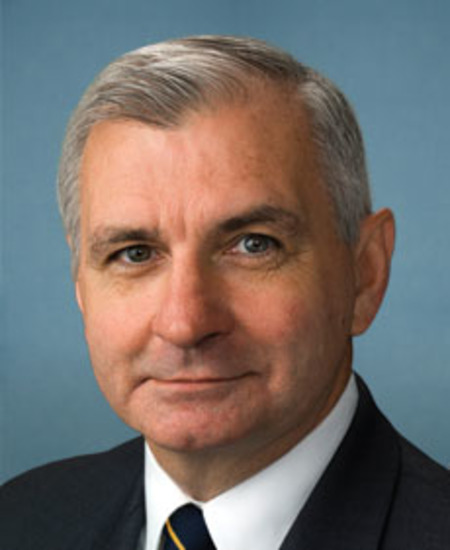
Jack Reed
69% support rate
Top opponent
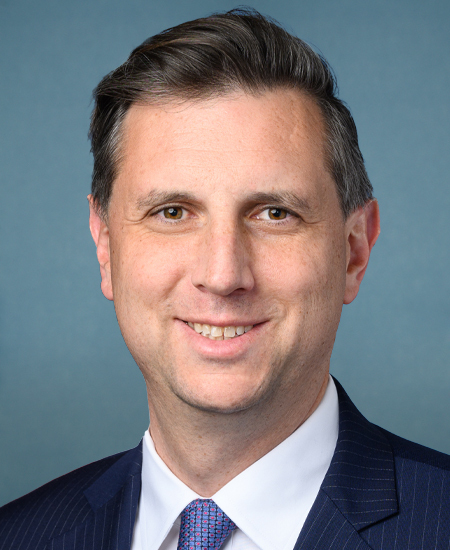
Seth Magaziner
15% support rate
Ranked legislators
4
2 support · 2 oppose
Key legislators

Who's moving budget & taxes in Rhode Island

Legislators moving budget & taxes in Rhode Island
Legislator Party Stance Support rate Votes
Jack Reed
Jack Reed Senate
D
Support
69% 274
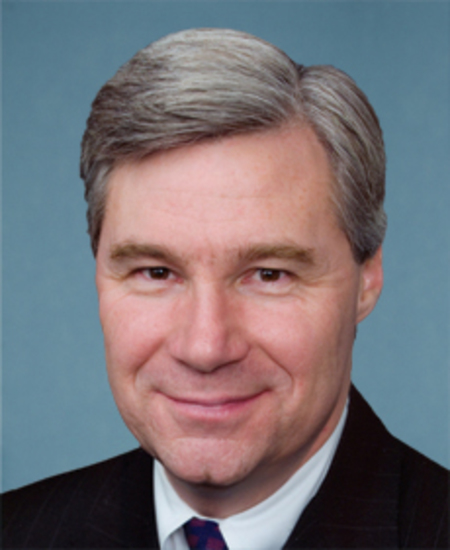
Sheldon Whitehouse
Sheldon Whitehouse Senate
D
Support
68% 268
Seth Magaziner
Seth Magaziner House · District 2
D
Strong −
15% 182
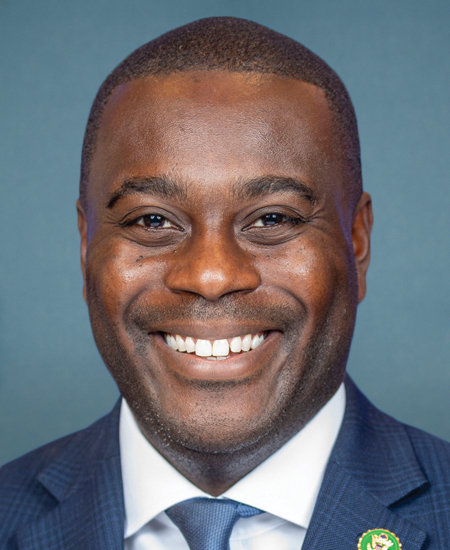
Gabe Amo
Gabe Amo House · District 1
D
Strong −
18% 186
Showing 1–10 of 14 bills

All budget & taxes bills

in committee · United States · Senate Jun 16, 2026

S 4791: A bill to abolish the Anti-Weaponization Fund, and for other purposes.

This bill abolishes the Anti-Weaponization Fund, a financial reserve created by the Attorney General during the Trump v. Internal Revenue Service legal case. It also declares an order issued on May 19, 2026, regarding the release of certain claims as invalid and without effect. The legislation directly impacts the Department of Justice by removing this specific fund and reversing the associated administrative directive.
in committee · United States · Senate Jun 16, 2026

S 4796: Stock Buyback Accountability Act of 2026

The Stock Buyback Accountability Act of 2026 raises the federal excise tax on corporate stock repurchases from 1 percent to 4 percent, directly affecting corporations that buy back their own shares. This change also modifies existing tax rules to exclude stock issued to high-income executives and employees earning over $1 million from the tax calculation. The new provisions apply to stock repurchases occurring after the law is enacted, with specific transition rules for partial-year transactions, while the adjustments to tax exemptions take effect for taxable years ending more than 90 days after enactment.
Sub-Topics Sales Tax
in committee · United States · House Mar 26, 2026

HR 8103: To prohibit the use of funds to use military force in or against Cuba, and for other purposes.

This bill prohibits the use of federal funds for military force in or against Cuba from its enactment until December 31, 2026, unless Congress declares war or passes specific statutory authorization. The restriction applies to all government funds and prevents military actions without congressional approval under the War Powers Resolution. An exception allows military force consistent with the War Powers Resolution's provisions for urgent situations requiring immediate action. The legislation directly affects the U.S. Department of Defense and federal budget processes by limiting how funds can be used for military operations targeting Cuba.
in committee · United States · Senate Apr 10, 2025

S 1475: Clean Cloud Act of 2025

The Clean Cloud Act of 2025 requires data centers and cryptocurrency mining facilities with more than 100 kilowatts of power to annually report their energy consumption and sources to the Environmental Protection Agency. The bill establishes regional greenhouse gas emissions baselines that decrease by 11% each year from 2026 through 2034, with fees assessed on facilities and utilities when their energy use exceeds these baselines. Fees start at $20 per kilowatt-hour above the baseline in 2026, increasing annually with inflation, and funds collected will support program administration, lower residential energy costs, and clean energy projects like zero-carbon power generation. This law directly affects data centers, cryptocurrency mining facilities, and the electric utilities that serve them, aiming to increase transparency about energy sources and reduce carbon emissions from these energy-intensive operations.
passed · United States · House Jan 13, 2026

HR 909: Crime Victims Fund Stabilization Act of 2025

HR 909, the Crime Victims Fund Stabilization Act of 2025, modifies how funds from the False Claims Act are deposited into the Crime Victims Fund. It specifies that from 2025 through 2029, certain False Claims Act proceeds (specifically those for qui tam plaintiff payments and government damage reimbursements) cannot be deposited into the fund. This change directly affects the composition of the Crime Victims Fund by excluding these specific revenue streams during the specified period. The bill does not create new benefits or alter victim services; it only adjusts fund allocation rules for existing False Claims Act revenues.
Sub-Topics Victims' Rights
in committee · United States · House Apr 14, 2025

HR 2909: You Earned It, You Keep It Act

The "You Earned It, You Keep It Act" (HR 2909) would exempt wages above $250,000 from Social Security taxes after 2025 and include income over $250,000 in Social Security benefit calculations. It applies to high-wage earners and self-employed individuals whose income exceeds this threshold, with special provisions for those receiving wages from multiple employers. The bill modifies how Social Security taxes are calculated by removing the tax on income above $250,000 and adjusts benefit formulas to count that income toward future payments. These changes would affect how Social Security taxes are paid and benefits are determined for high earners beginning in 2026.
in committee · United States · House Aug 12, 2025

HR 4968: Protecting and Preserving Social Security Act

This bill would change how Social Security cost-of-living adjustments are calculated by creating a new Consumer Price Index for Elderly Consumers (CPI-E) that tracks spending patterns specific to seniors aged 62 and older. It would also modify tax calculations for high earners by applying declining percentages of income above the Social Security tax cap (from 86% in 2026 down to 0% after 2031) for both wages and self-employment income. Additionally, the bill would adjust benefit calculations to include "surplus earnings" above the tax cap for individuals with high lifetime earnings. These changes would primarily affect Social Security beneficiaries and high-earning workers, particularly those becoming eligible for benefits after 2025.
Tags Seniors
in committee · United States · House Jan 15, 2026

HR 7088: NO NATO for Purchase Act

The NO NATO for Purchase Act bans federal agencies from using government funds to buy land or assets in NATO member countries. It directly affects all federal departments and agencies by prohibiting such acquisitions as defined in the 1949 North Atlantic Treaty. The key provision blocks any action or expenditure related to purchasing territory within NATO nations. This prevents U.S. government purchases of foreign territory belonging to NATO member countries.
in committee · United States · Senate Oct 1, 2025

S 2965: No Argentina Bailout Act

This bill prohibits the U.S. Treasury's Exchange Stabilization Fund from providing financial support to Argentina's government or financial markets. It specifically blocks the use of the fund for currency swaps, purchasing Argentine debt, or any credit instruments intended to bail out Argentina. The restriction applies until December 10, 2027, and requires any existing contracts violating this rule to be terminated within seven days of the bill's enactment. The law directly affects the Treasury Department's use of its financial tools, not Argentina itself.
Sub-Topics Procurement
in committee · United States · Senate May 22, 2025

S 1904: Ending Taxpayer Support for Big Egg Producers Act

This bill amends federal law to restrict government compensation for large egg producers affected by avian influenza. It defines "covered entities" as egg producers with over $100 million in annual revenue or 1,500 employees, requiring them to certify they will not pay dividends or repurchase stock for two years after receiving payments. Private equity-owned or public companies must also certify they cannot access other funding without significant harm to operations. Violating these certification requirements could trigger repayment of funds plus fines or up to 5 years in prison. The bill targets existing indemnity payments under the Animal Health Protection Act, not new funding.
Showing 1 to 10 of 14 bills
1 2 Next