Maddy summaryThis bill updates Pennsylvania laws regarding how owners in condominiums, cooperatives, and planned communities can vote to change their governing documents, known as declarations. It establishes that at least 67% of the collected votes must support any changes, though existing documents can specify a higher threshold or allow a lower one if all units are used for non-residential purposes. The legislation also clarifies that specific types of amendments, such as those involving unit boundaries or leasehold cooperatives, may follow different voting rules outlined in the current statutes. Once passed, these new voting requirements will take effect 60 days after the law is enacted.
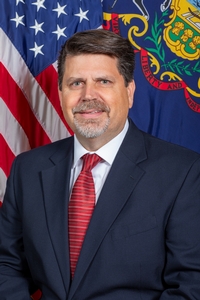
Rep. Jeff Olsommer
Sponsored bills
Maddy summaryThis Pennsylvania legislative resolution designates April 2026 as Esophageal Cancer Awareness and Prevention Month to highlight the disease's severity and promote public health awareness. The bill directly affects Pennsylvania residents by encouraging them to seek treatment for gastroesophageal reflux disease (GERD) to reduce their risk of developing esophageal cancer. It does not create new laws or funding but serves as a formal declaration to raise awareness about early detection and prevention strategies.
Maddy summaryThis bill requires telecommunications companies to promptly repair damaged lines or remove tree limbs that interfere with road safety after being notified by local governments or state agencies. The law prohibits carriers from passing these repair costs onto customers who do not use the specific infrastructure that caused the issue. Violations of these requirements could result in penalties enforced by the state commission, and the commission will create rules to ensure proper implementation.
Maddy summaryThis bill modifies Pennsylvania's existing tax credit programs for private school scholarships by increasing the maximum credit percentage for businesses from 75% or 90% to 99% for most contributions. It also establishes a new Pennsylvania Learning Investment Tax Credit and creates a Displaced Student Scholarship Fund to support students who must move due to natural disasters or other emergencies. The legislation raises the annual funding cap for these programs from $590 million to $790 million and adjusts how funds are allocated among different types of scholarship organizations.
Maddy summaryThis bill updates Pennsylvania vehicle registration rules to allow special plates for individuals with specific disabilities and their immediate family members. It defines eligibility for these plates based on conditions such as blindness, limited mobility, respiratory issues, or heart disease, while also including parents and spouses of those who qualify. The legislation permits each eligible applicant to receive up to two special plates for their own vehicles and allows motorcycles to display an access decal instead of a full plate. These changes would officially designate the vehicles as being used by people with disabilities, with the new rules taking effect 60 days after the bill is passed.
Maddy summaryThis bill amends Pennsylvania's Tax Reform Code to temporarily exempt the sales tax on protective gear purchased by firefighters, volunteer ambulance workers, and volunteer rescue personnel. The exemption applies specifically to items such as helmets, turnout coats, boots, and respiratory protection units during a six-month period starting on July 1, 2026. To ensure clarity, the legislation requires the Department of Revenue to publish online guidance on how to implement this temporary exclusion. The law defines the equipment and purchaser terms precisely, noting that the tax break applies even if the gear is delivered after the six-month window closes.
Maddy summaryHB 1541 (Pennsylvania) modifies a 1970 law governing construction contracts. It voids and makes unenforceable clauses requiring one party (like contractors, architects, or owners) to cover negligence-related damages (such as bodily injury, property damage, or economic loss caused by their own negligence). The bill also limits insurance coverage for "additional insureds" (entities added to a policy) to match the contract’s requirements and applicable law. This directly affects construction industry participants in contracts involving design, building, or infrastructure projects. The changes take effect 60 days after enactment.
Maddy summaryThis Pennsylvania bill updates state laws to make it illegal to operate a watercraft if a person has completed a diversion program for a similar boating offense within the last 10 years. It also clarifies that evidence of alcohol or drug levels found more than two hours after driving a boat can still be used to prove impairment. Finally, the legislation adjusts how penalties are graded based on the number of prior offenses and whether an accident occurred.
Maddy summaryHB 2365 updates Pennsylvania's game laws by clarifying definitions, expanding opportunities for young hunters, and adjusting rules for unlicensed individuals participating in hunts. The bill establishes free hunting days for qualified juniors and creates prima facie evidence that allows licensed hunters to assist others who are not yet licensed, provided the unlicensed person stays within sight and does not possess a firearm. Additionally, it repeals an exception that previously allowed children under 12 to trap without a license and tightens requirements to ensure only one active hunting license is held at any time.
Maddy summaryThis bill directs the Pennsylvania Department of Human Services to make a one-time payment to medical assistance managed care organizations by December 31, 2027, to help increase payments to providers for medical equipment and supplies. The total amount available for distribution is calculated by taking the total funds these organizations paid to providers for such items in 2024 and adding 10% to that figure. Once the department distributes its share, the managed care organizations must pass along 10% of the 2024 payment amounts to each participating provider within 30 days. The law applies specifically to individuals enrolled in the medical assistance program and the healthcare providers and organizations that serve them.