

Issue · Transportation
Transportation (Driver Licensing)
Every transportation bill, vote, and legislator stance in Pennsylvania, automatically classified by Maddy, our AI policy reader.
Total bills
25
2025-2026 Regular Session
Top supporter
Camera Bartolotta
100% support rate
Top opponent
Lindsey Williams
0% support rate
Ranked legislators
10
5 support · 5 oppose
Key legislators
Who's moving driver licensing in Pennsylvania
| Legislator | Party | Stance | Support rate | Votes |
|---|---|---|---|---|
Camera Bartolotta
Senate · District 46
|
R |
Strong +
|
100% | 7 |
Devlin Robinson
Senate · District 37
|
R |
Strong +
|
100% | 7 |
Elder Vogel
Senate · District 47
|
R |
Strong +
|
100% | 7 |
Greg Rothman
Senate · District 34
|
R |
Strong +
|
100% | 7 |
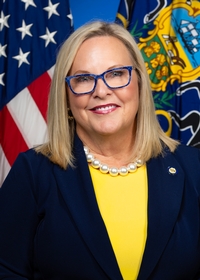
Judy Ward
Senate · District 30
|
R |
Strong +
|
100% | 7 |
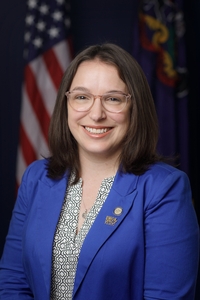
Lindsey Williams
Senate · District 38
|
D |
Strong −
|
0% | 7 |

Nikil Saval
Senate · District 1
|
D |
Strong −
|
0% | 7 |
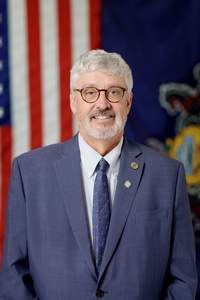
Tim Kearney
Senate · District 26
|
D |
Strong −
|
0% | 7 |

Amanda Cappelletti
Senate · District 17
|
D |
Strong −
|
0% | 5 |
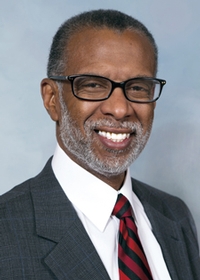
Art Haywood
Senate · District 4
|
D |
Strong −
|
0% | 5 |
Showing 11–20 of 25
bills
All transportation bills
HB 960: An Act amending Title 75 (Vehicles) of the Pennsylvania Consolidated Statutes, in commercial drivers, further providing for disqualification.
Topics
✓ Criminal JusticeSupports Criminal JusticeRequires state-approved rehab for DUI/DWI disqualifications, enabling license reinstatement after rehabilitation and waiting period, aligning with criminal justice reform goals of rehabilitation over perpetual punishment.
✓ TransportationSupports TransportationBill strengthens commercial driver safety by requiring rehabilitation programs for DUI/DWI disqualifications before license reinstatement, aligning with transportation safety standards.
SB 542: An Act amending Title 75 (Vehicles) of the Pennsylvania Consolidated Statutes, in licensing of drivers, further providing for schedule of convictions and points; in rules of the road in general, further providing for speed timing devices; and, in powers of department and local authorities, further providing for specific powers of department and local authorities.
SB 539: An Act amending Titles 53 (Municipalities Generally) and 66 (Public Utilities) of the Pennsylvania Consolidated Statutes, in transportation network companies, further providing for transportation network company drivers; and, in transportation network service, further providing for transportation network company drivers.
Sub-Topics
Driver Licensing
HB 1268: An Act amending Title 75 (Vehicles) of the Pennsylvania Consolidated Statutes, in licensing of drivers, providing for emergency contacts and medical conditions in driver records.
HB 257: An Act amending Titles 4 (Amusements), 74 (Transportation) and 75 (Vehicles) of the Pennsylvania Consolidated Statutes, in interactive gaming, further providing for interactive gaming tax; in sustainable mobility options, further providing for definitions, for fund and for operating program and providing for annual performance evaluation and for operating a controlled substance injection site near infrastructure of a local transportation organization; in metropolitan transportation authorities, further providing for special prosecutor for mass transit; in public-private transportation partnerships, providing for metropolitan transportation authority projects; in licensing of drivers, further providing for persons ineligible for licensing, license issuance to minors and junior driver's license, for learners' permits, for application for driver's license or learner's permit by minor and for examination of applicant for driver's license; in miscellaneous provisions relating to operation of vehicles, providing for the offense of interference with operation or movement of a public transit vehicle and for sentencing enhancement for drug delivery on transit; in lighting equipment, further providing for use and display of illuminated signs; in taxes for highway maintenance and construction, providing for supplemental funding for three and four digit highway construction; and establishing the Supplemental Funding for Three and Four Digit State Routes Account in the Motor License Fund.
Topics
✓ Budget & TaxesSupports Budget & TaxesCreates Supplemental Funding Account for highway maintenance and adjusts interactive gaming tax, generating revenue for transportation infrastructure.
✓ TransportationSupports TransportationEstablishes highway funding account, sustainable mobility program, and enhances transit safety via penalties for drug delivery on transit.
HB 1504: An Act amending Title 75 (Vehicles) of the Pennsylvania Consolidated Statutes, in general provisions, further providing for definitions; in licensing of drivers, further providing for suspension of operating privilege; in rules of the road in general, further providing for overtaking vehicle on the left and providing for vehicles passing pedestrians on a highway; in special vehicles and pedestrians, further providing for penalty for violation of subchapter; and, in miscellaneous provisions relating to offenses in general, further providing for the offense of careless driving.
HB 1708: An Act amending Title 75 (Vehicles) of the Pennsylvania Consolidated Statutes, in licensing of drivers, further providing for schedule of convictions and points; in rules of the road in general, further providing for meeting or overtaking school bus; in other required equipment, further providing for general requirements for other vehicles transporting school children; and making editorial changes.
HB 1700: An Act amending Title 75 (Vehicles) of the Pennsylvania Consolidated Statutes, in licensing of drivers, providing for communication barrier designation; and imposing penalties.
Topics
✓ Criminal JusticeSupports Criminal JusticeBill improves law enforcement communication during traffic stops for people with disabilities, promoting civil rights and police accountability in law enforcement interactions.
✓ TransportationSupports TransportationAmends vehicle licensing to improve communication during traffic stops for drivers with impairments, enhancing transportation safety within vehicle regulations.