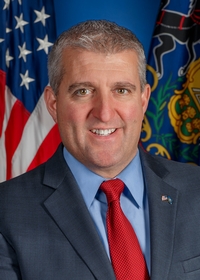
SB 992 updates Pennsylvania's 1996 Telemarketer Registration Act to strengthen rules for phone sales calls. It requires telemarketers to register and prohibits blocking caller ID features used to screen calls, while banning unwanted solicitation calls. The bill also clarifies penalties for violations and enhances enforcement mechanisms for consumer protection. These changes directly affect telemarketers operating in Pennsylvania and aim to reduce unwanted calls for residents.
HB 1505 amends Pennsylvania's Public School Code of 1949 to clarify definitions related to early learning programs. The bill specifically updates terminology used in the existing law to better define what constitutes early learning programs within the state's educational framework. This change directly affects school districts, early learning providers, and state education agencies by providing clearer standards for program classification and reporting under the Public School Code. The bill focuses solely on refining definitions, not creating new programs or funding mechanisms.
This bill amends Pennsylvania's Right-to-Know Law to ban government agencies from signing nondisclosure agreements related to data centers. The law prohibits any contract that restricts the public from accessing information about the construction, development, or location of these facilities. If an agency signs such an agreement, the contract is considered void and unenforceable. The bill defines a data center as a facility used to process, store, or transmit data using computers and software.
This bill prohibits transportation network companies, such as ride-sharing services, from using specific data from a passenger's phone to calculate fares. It bans charging higher prices based on the device's hardware state, like battery life or age, and forbids using geolocation data to set prices unless the variation reflects legitimate differences in travel costs, taxes, or real-time demand. The law also prevents companies from raising fares simply because a user has certain software installed or because their device is in a specific mode. These rules aim to ensure that ride prices are determined by the trip itself rather than the characteristics of the passenger's equipment.
HB 2006 requires developers of artificial intelligence applications designed for companionship (such as chatbots for elderly care or mental health support) to implement specific safety standards. It directly affects technology companies creating these AI tools by mandating safeguards against harmful outputs or privacy breaches. The bill establishes a penalty system, including fines, for developers who fail to meet the required safety measures. This legislation aims to protect users interacting with AI companions through concrete regulatory requirements, not speculative outcomes.
This bill directs Pennsylvania's Human Services department to replace current Supplemental Nutrition Assistance Program cards with new chip-enabled versions by January 1, 2028. The new cards will be provided free of charge to eligible recipients and will include security features like tap-to-pay technology to prevent benefit theft. The department must issue regular reports on the transition progress to state legislators and take steps to secure funding, including applying for federal grants.
HB 1585 amends Pennsylvania's criminal code to prohibit the commercial use of booking photographs taken during arrests. It directly affects businesses or websites that currently sell, license, or profit from publishing these images of individuals arrested but not yet convicted. The bill creates a legal barrier by making it unlawful to publish or disseminate such photographs for commercial purposes. This change aims to prevent the exploitation of arrest imagery for profit, focusing on the specific policy shift in the law.
This bill requires Pennsylvania electric distribution companies to create and implement virtual power plant programs by July 1, 2027, which allow customers with eligible energy technologies like solar panels or batteries to participate in grid services. The Pennsylvania Public Utility Commission will review and approve these proposals within 180 days, requiring companies to set enrollment targets and include mechanisms for existing demand response programs. Participants can receive compensation for providing services such as peak load reduction, voltage support, and emergency grid services, with special provisions for low-income customers and disadvantaged communities to receive enhanced upfront payments. The program will establish operational rules for when and how often grid events can occur, including limits on event duration and advance notice requirements, while allowing customers to disenroll without penalties for nonperformance.
This bill amends Pennsylvania's Covered Device Recycling Act to update definitions and strengthen recycling requirements for manufacturers and retailers. It clarifies which electronics count as covered devices, such as computers, smartphones, and printers, while explicitly excluding items like landline phones and devices built into other appliances. The legislation also introduces a sales prohibition mechanism, requiring the Department of Environmental Protection to maintain a list of non-compliant brands that cannot be sold in the state. Additionally, the bill mandates stricter registration, reporting, and enforcement duties for companies involved in the sale of covered devices.
HB 95 amends Pennsylvania's Unfair Trade Practices and Consumer Protection Law to require clear disclosure when AI-generated content (like text, images, or videos) is created, distributed, or published. It directly affects businesses, creators, and platforms using AI tools to produce content for consumers in Pennsylvania. The bill adds new definitions, including that "artificial intelligence" means technology creating new content via predictive algorithms, and specifies that disclosures must be "clear and conspicuous" - meaning they must be visible upfront, easy to understand, and match the content's medium (e.g., visible text, audible audio). This change updates existing consumer protection rules to address AI-generated content transparency.