HB 95 Pennsylvania House · 2025-2026 Regular Session

An Act providing for disclosure of synthetic advertising content and for enforcement.

HB 95 amends Pennsylvania's Unfair Trade Practices and Consumer Protection Law to require clear disclosure when AI-generated content (like text, images, or videos) is created, distributed, or published. It directly affects businesses, creators, and platforms using AI tools to produce content for consumers in Pennsylvania. The bill adds new definitions, including that "artificial intelligence" means technology creating new content via predictive algorithms, and specifies that disclosures must be "clear and conspicuous" - meaning they must be visible upfront, easy to understand, and match the content's medium (e.g., visible text, audible audio). This change updates existing consumer protection rules to address AI-generated content transparency.
Bill status passed 3 of 5 stages cleared
Introduction
Jan 2025
Committee Review
Jun 2026
House Passage
Jun 2026
Senate Passage
Governor
Introduced Jan 14, 2025 Last action Jun 22, 2026
Maddy AI version diff · 1 comparison

What changed between versions

Printer's No. PN0078 Printer's No. PN3348 · 6 edits
MODERATE
The bill was significantly expanded from a single paragraph amendment to a comprehensive standalone act. It now establishes a new 'Artificial Intelligence Transparency in Advertising Act' with detailed definitions for AI and synthetic content, specific requirements for disclosing AI-generated ads, and a one-year effective date instead of 60 days.
Scope change
The bill's scope expanded from a minor amendment to an existing consumer protection law into a complete, independent statute governing AI advertising transparency across various media.
DEFINITION

Added extensive new definitions for 'Artificial Intelligence,' 'Generative Artificial Intelligence,' 'Synthetic Advertising Content,' 'Clear and Conspicuous,' 'Internet Service Provider,' and 'Person' to clarify the law's terms.

REQUIREMENT

Created new Section 3 requiring clear and conspicuous disclosure whenever synthetic advertising content is presented to consumers, specifying how the disclosure must appear in different media formats.

ENFORCEMENT

Added Section 4 to explicitly classify violations of this new act as unfair methods of competition and unfair or deceptive acts or practices under existing consumer protection laws.

EXEMPTIONS

Added Section 5 providing an exemption for media outlets that publish synthetic advertising content in good faith without knowledge that the content was AI-generated.

TIMELINE

Changed the effective date of the act from 60 days to one year.

TITLE

Added a formal short title for the act, known as the 'Artificial Intelligence Transparency in Advertising Act.'

Floor votes · House Jun 17, 2026

How they voted

12477
Passed
Total votes 201
Jun 17, 2026
D Democratic102
102 Yea
100% Yea
R Republican99
22 Yea 77 Nay
77% Nay
Vote distribution
All Yea All Nay Mixed No data
Full legislative history

Actions timeline

Total actions
10
Key actions
3
Committee
4
Amendments
1
Jun 22, 2026
Committee
Referred to Communications & Technology
upper
Jun 17, 2026
Lower · Passed
Third consideration and final passage
lower
Jun 17, 2026
Lower · Passed
Re-reported as committed
lower
Jun 16, 2026
Committee
Re-committed to Appropriations
lower
May 5, 2026
Lower · Passed
Reported as amended
lower
Jan 14, 2025
Committee
Referred to Communications & Technology
lower
1 primary · 33 co-sponsors

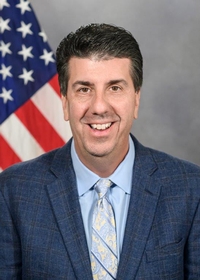
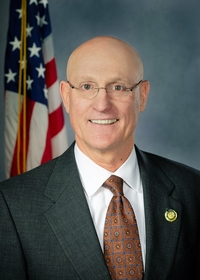
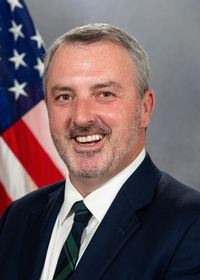
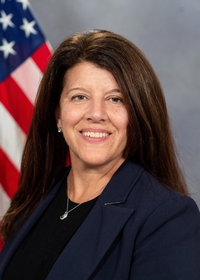
Sponsors