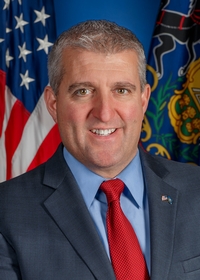
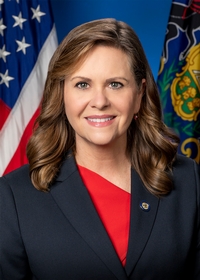
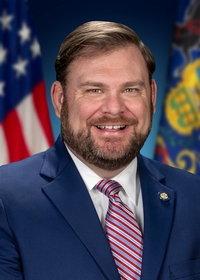
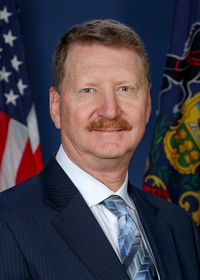
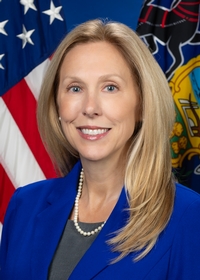
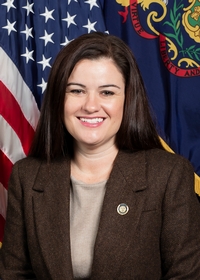
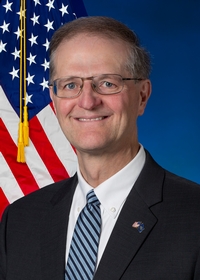
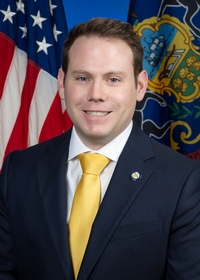
Key legislators
Who's moving labor & employment in Pennsylvania
Showing 3 of 3
bills
All labor & employment bills
SB 743 amends Pennsylvania's 1936 Unemployment Compensation Law to require the Department of Labor and Industry to submit an annual report by March 1st evaluating the unemployment fund's financial health. The report must include specific, detailed unemployment statistics - such as the percentage of long-term unemployed individuals, job losers, discouraged workers, and marginally attached workers relative to the civilian labor force. This requirement applies directly to the state department, which must also post the report online. The bill does not change benefit eligibility or funding but adds standardized data collection for transparency and program oversight. (This is a procedural reporting change, not a substantive policy shift.)
SB 1260 establishes the State Board of Electrical Licensure to regulate and oversee electrical contractors, electricians, residential electricians, and apprentices in Pennsylvania. The bill requires individuals performing electrical work to obtain specific licenses based on their role and experience, while also mandating liability insurance and continuing education for license holders. To enforce these standards, the legislation creates a system of fees, fines, and penalties for violations, along with procedures for suspending or revoking licenses when necessary.
SB 614 amends Pennsylvania's Fiscal Code to establish a state-funded initiative supporting workforce development for Federally Qualified Health Centers (FQHCs), which are community health centers serving rural and underserved areas. The bill directly affects FQHCs by providing funding to recruit and retain primary care staff, addressing documented shortages in these facilities. Key provisions include creating a dedicated funding stream within the state budget specifically for FQHC workforce expansion, with appropriations to cover hiring and training costs. This policy change aims to strengthen primary care access in communities with limited healthcare resources through targeted financial support.