


Issue · Housing

Housing

Every housing bill, vote, and legislator stance in Pennsylvania, automatically classified by Maddy, our AI policy reader.

Total bills
15
2025-2026 Regular Session
Top supporter
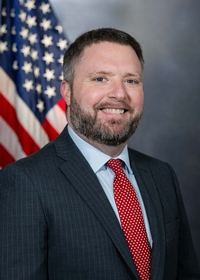
James Malone
100% support rate
Top opponent
Andrea Verobish
14% support rate
Ranked legislators
10
5 support · 5 oppose
Key legislators

Who's moving housing in Pennsylvania

Legislators moving housing in Pennsylvania
Legislator Party Stance Support rate Votes
James Malone
James Malone Senate · District 36
D
Strong +
100% 35
AT
Ana Tiburcio House · District 22
D
Strong +
89% 44
Ben Waxman
Ben Waxman House · District 182
D
Strong +
84% 196
Dave Madsen
Dave Madsen House · District 104
D
Strong +
83% 194
Izzy Smith-Wade-El
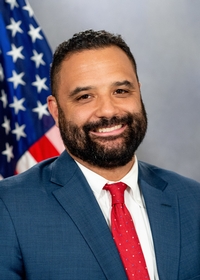
Izzy Smith-Wade-El House · District 49
D
Strong +
83% 168
AV
Andrea Verobish House · District 79
R
Strong −
14% 39
Jake Banta
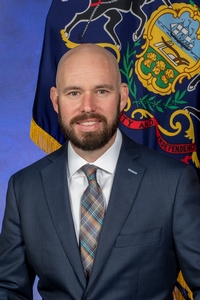
Jake Banta House · District 4
R
Strong −
15% 156
Carl Metzgar
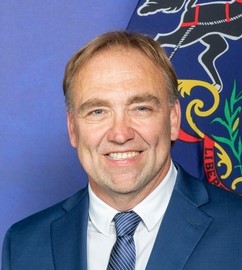
Carl Metzgar House · District 69
R
Strong −
20% 135
Doug Mastriano
Doug Mastriano Senate · District 33
R
Strong −
20% 42
Wendy Fink
Wendy Fink House · District 94
R
Oppose
21% 155
Showing 1–10 of 15 bills

All housing bills

signed · Pennsylvania · House Jul 20, 2026

HB 2559: An Act authorizing the Department of General Services, with the approval of the Governor, to grant and convey to Student Lodging, Inc., a Pennsylvania nonprofit corporation, certain land situate in Millersville Borough, Lancaster County; authorizing the Department of General Services, with the approval of the Governor, to grant and convey to the Philadelphia Housing Authority certain lands situate in the City of Philadelphia, Philadelphia County; authorizing the Department of General Services, with the approval of the Department of Corrections and the Governor, to grant and convey to Ferris Land Development, LP, a Pennsylvania limited partnership, certain lands situate in Benner Township, Centre County; authorizing the Pennsylvania Historical and Museum Commission, with the approval of the Governor, to grant and convey to Friends of Peace Church, a Pennsylvania nonprofit corporation, certain lands and improvements known as Peace Church situate in Hampden Township, Cumberland County; authorizing the Department of General Services, with the approval of the Governor, to grant and convey to the Borough of Danville certain lands situate in Danville Borough, Montour County; authorizing the Department of General Services, with the approval of the Governor, to grant and convey to Gaudenzia Foundation, Inc., certain lands situate in the City of Philadelphia, Philadelphia County; authorizing the Department of General Services, with the approval of the Governor, to grant and convey to the City of Hermitage, certain lands situate in the City of Hermitage, formerly known as Hickory Township, Mercer County; authorizing the Department of General Services, with the approval of the Governor, to grant and convey certain lands situate in the City of Nanticoke, Luzerne County; authorizing the Department of General Services, with the consent and approval of the Governor, to grant and convey certain lands situate in the City of Philadelphia, Philadelphia County; authorizing the release of Project 70 restrictions on certain lands owned by the Pennsylvania Game Commission in exchange for the imposition of Project 70 restrictions on other land in Sandy Creek Township, Mercer County; authorizing the Department of General Services, with the approval of the Governor, to grant and convey to Penn Township Municipal Authority certain lands situate in Penn Township, Snyder County; and authorizing the Department of General Services, with the approval of the Governor, to release a use restriction and reversionary interest affecting certain real property located on the following campuses of The Pennsylvania State University: Dubois Campus, located in Dubois, Clearfield County; Fayette Campus, located in Lemont Furnace, Fayette County; Mont Alto Campus, located in Mont Alto, Franklin County; New Kensington Campus, located in New Kensington, Westmoreland County; Shenango Campus, located in Sharon, Mercer County; Wilkes-Barre Campus, located in West Pittston, Luzerne County; and York Campus, located in York, York County.

This bill authorizes the Pennsylvania Department of General Services to transfer a specific parcel of land and buildings in Millersville to Student Lodging, Inc., a nonprofit organization, for a nominal fee of $1. The property, formerly known as the Witmer Infirmary, includes approximately 0.31 acres with existing structures, and the transfer requires approval from the Governor. The legislation includes conditions that prohibit the use of the land for licensed facilities and allows the state to retain certain easements or add restrictions as it sees fit. If the sale is not completed within 24 months, the property may instead be sold through a competitive bidding process, with any proceeds going to the state's General Fund.
in committee · Pennsylvania · House Jun 22, 2026

HB 1620: An Act authorizing the Department of General Services, with the approval of the Governor, to grant and convey to the Philadelphia Housing Authority certain lands situate in the City of Philadelphia, Philadelphia County.

HB 1620 authorizes the state Department of General Services to transfer specific lands in Philadelphia to the Philadelphia Housing Authority (PHA), subject to the Governor's approval. This procedural bill directly affects the PHA by potentially expanding its land holdings for housing purposes. The key mechanism requires formal conveyance of the designated properties through state administrative channels. The bill does not create new programs or funding but facilitates a land transfer process. (Procedural bill; summary limited to 2 sentences as required.)
passed · Pennsylvania · House Jun 11, 2026

HB 2109: An Act amending Title 53 (Municipalities Generally) of the Pennsylvania Consolidated Statutes, in preemptions, providing for occupancy limits.

HB 2109 prohibits Pennsylvania local governments (like cities, towns, and counties) from setting household size limits based on familial relationships (such as parents with children or roommates). It allows occupancy limits only for verified health/safety standards (like building codes) or to comply with federal/state affordable housing program rules. The bill directly affects renters, homeowners, and local officials who previously enforced such restrictions. Key definitions clarify that "familial relationship" includes blood, marriage, adoption, or foster care ties, and "local government unit" covers all Pennsylvania municipalities. This bill takes effect 60 days after enactment.
passed · Pennsylvania · House Jun 5, 2026

HB 2186: An Act amending Title 53 (Municipalities Generally) of the Pennsylvania Consolidated Statutes, providing for accessory dwelling units.

This bill allows accessory dwelling units (ADUs), such as secondary apartments or backyard cottages, to be built on properties with single-family homes across Pennsylvania. It requires every municipality to adopt a simple ordinance permitting at least one ADU per lot and mandates that applications be approved within 30 days (or 60 days with additional review), with automatic approval if deadlines are missed. Municipalities may charge a maximum $250 fee for processing and cannot require permit renewals. The law respects existing deed restrictions and planned community rules while aiming to increase housing options through standardized ADU access.
passed · Pennsylvania · House May 1, 2026

HB 344: An Act amending the act of April 6, 1951 (P.L.69, No.20), known as The Landlord and Tenant Act of 1951, in creation of leases, statute of frauds and mortgaging of leaseholds, providing for parking provisions in lease.

HB 344 amends Pennsylvania's Landlord and Tenant Act to require landlords to disclose parking availability and associated fees in rental leases. Landlords must state whether parking is provided, if a fee applies, and the exact amount - prohibiting fee increases during the lease term. Tenants can file complaints with lower courts (e.g., district justice) if landlords fail to comply, and landlords violating the rules must reimburse tenants for parking costs incurred. This directly affects landlords and tenants in Pennsylvania rental agreements involving parking.
signed · Pennsylvania · House Nov 12, 2025

HB 416: An Act amending the act of April 9, 1929 (P.L.343, No.176), known as The Fiscal Code, providing for Child Care Staff Recruitment and Retention Program; in 911 Emergency Communication Services, further providing for surcharge; in Department of Revenue, further providing for exclusion from classes of income and providing for research and experimental expenditures and qualified production property, for report to General Assembly and for interest expense; in joint underwriting association, further providing for findings and for definitions, repealing provisions relating to sunset and providing for risk-based capital certification, for fund transfers, for association oversight and additional duties, for Joint Underwriting Association Board, for board meetings, for construction, for dissolution, for appropriations and for reports and hearings; in State Health Insurance Exchange Affordability Program, further providing for Exchange Affordability Assistance Account; providing for Rural Health Transformation Program; in Treasury Department, providing for waiver of interest, costs and fees; in procedure for disbursement of money from the State Treasury, further providing for use and appropriation of unused Commonwealth funds; in oil and gas wells, further providing for Oil and Gas Lease Fund; providing for advanced air mobility sites and for public transportation vehicles; in human services, further providing for resident care and related costs; in Attorney General, providing for home improvement contractor registration fee; providing for Rare Disease Advisory Council, for affordable housing tax credit and for working Pennsylvanians tax credit; in additional keystone opportunity expansion zones, providing for additional keystone opportunity expansion zones for certain counties of the fourth class; providing for additional extensions of keystone opportunity zones; in special funds, further providing for funding, for expiration and for other grants; in additional special funds and restricted accounts, further providing for establishment of special fund and account, for use of fund and for distributions from Pennsylvania Race Horse Development Fund and providing for refund of 2003 assessment by Insurance Department; in additional special funds and restricted accounts relating to Service and Infrastructure Improvement Fund, further providing for deposits and providing for Property Tax Relief Fund; in general budget implementation, further providing Executive Offices, for Department of Community and Economic Development, for Department of Environmental Protection, for Pennsylvania Fish and Boat Commission, for Pennsylvania Higher Education Assistance Agency and for Commonwealth Financing Authority, providing for stenography services, further providing for surcharges, for Federal and Commonwealth use of forest land and for Multimodal Transportation Fund and providing for State Sexual Offenders Assessment Board, for interest transfers, for fund transfers and for miscellaneous provisions; in 2024-2025 budget implementation, further providing for Department of Education, for Department of Environmental Protection and for Department of Human Services; in Streamlining Permits for Economic Expansion and Development Program, further providing for scope of article, for definitions and for the Streamlining Permits for Economic Expansion and Development Program, providing for review and determination of specific permits and for State agency permits and further providing for construction; providing for electricity load forecast accountability, for 2025-2026 budget implementation and for 2025-2026 restrictions on appropriations for funds and accounts; making repeals; and making editorial changes.

HB 416 establishes a new Child Care Staff Recruitment and Retention Program to support early childhood educators and creates a Rural Health Transformation Program to improve healthcare access in underserved areas. It also streamlines permit processes for economic development projects through the Streamlining Permits for Economic Expansion and Development Program. These provisions are integrated into the 2025 state budget implementation, alongside administrative updates to tax collection procedures, state fund management, and reporting requirements for agencies like the Department of Revenue and Treasury. The bill does not alter existing tax rates or create new funding streams but modifies how current state financial systems operate.
passed · Pennsylvania · House Jul 22, 2025

HB 1466: An Act amending Title 7 (Banks and Banking) of the Pennsylvania Consolidated Statutes, in mortgage loan industry licensing and consumer protection, further providing for general requirements.

HB 1466 requires mortgage lenders in Pennsylvania to provide mandatory housing counseling to applicants before processing reverse mortgage loans. Specifically, licensees must arrange in-person, phone, or video counseling from a HUD-approved agency, covering reverse mortgage details and alternatives, and issue a certificate documenting the session. This applies to all applicants for reverse mortgages - loans secured by home equity that don’t require repayment until later - and mandates lenders to keep counseling records for the loan’s duration. The bill directly affects mortgage lenders and reverse mortgage applicants, aiming to improve consumer understanding of this complex financial product.
passed · Pennsylvania · House Jul 15, 2025

HB 1574: An Act amending the act of April 9, 1929 (P.L.343, No.176), known as The Fiscal Code, establishing the Redevelopment Authority Startup Loan Program and the Redevelopment Authority Startup Fund.

HB 1574 creates a new loan program and fund to help local redevelopment authorities start community renewal projects. It establishes a Redevelopment Authority Startup Fund to provide low-interest loans for initiatives like rebuilding neighborhoods or revitalizing downtown areas. This directly affects cities and towns with active redevelopment agencies, giving them a new way to finance early-stage projects. The bill amends the Fiscal Code to set up this funding mechanism, changing how these local agencies access capital for urban renewal efforts.
passed · Pennsylvania · House Jun 30, 2025

HB 1650: An Act providing for the Pennsylvania Home Preservation Grant Program; and imposing duties on the Department of Community and Economic Development.

HB 1650 establishes Pennsylvania's Home Preservation Grant Program, administered by the Department of Community and Economic Development. It provides grants to local governments (counties, cities, townships) to fund repairs and improvements on existing owner-occupied homes, targeting households earning 80-120% of the area median income. Grants can cover up to $50,000 per unit for habitability fixes, energy/water efficiency upgrades, or accessibility modifications, with local governments allowed to use up to 10% of funds for administration. Applications must demonstrate experience in housing rehabilitation and include plans for using funds per the bill's requirements, with priority given to projects leveraging additional funding sources.
passed · Pennsylvania · House Jun 18, 2025

HB 1250: An Act amending the act of November 24, 1976 (P.L.1176, No.261), known as the Manufactured Home Community Rights Act, providing for resident associations and group meetings; further providing for disclosure of fees; providing for reasonable increases in rent and fees and for justified rent increase to support extraordinary increases in operating expenses; and further providing for damages.

HB 1250 amends Pennsylvania's Manufactured Home Community Rights Act to protect residents in manufactured home communities. It requires community owners to allow resident associations and group meetings, and mandates 90-day advance notice for rent increases. The bill caps annual rent hikes at 2-4% (based on regional inflation data), prohibits increases during unresolved health/safety violations, and requires clear disclosure of all fees in leases. These changes directly affect approximately 150,000 manufactured home residents and community owners across Pennsylvania, aiming to prevent exploitative rent practices and stabilize housing costs.
Showing 1 to 10 of 15 bills
1 2 Next