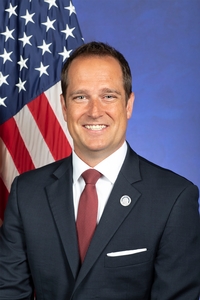
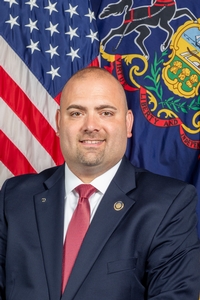
Key legislators
Who's moving healthcare in Pennsylvania
Showing 21–24 of 24
bills
All healthcare bills
HB 755 requires health insurers in Pennsylvania (excluding grandfathered plans) to cover all preventive health services listed by the Insurance Department without cost-sharing, such as copays or deductibles. This directly affects insurers who must comply with the coverage rules and enrollees who gain access to preventive care like vaccinations and screenings at no extra cost. The bill empowers the Insurance Department to create and update the preventive services list through a public comment process (15+ business days) and enforce compliance with penalties for violations. It aligns with federal preventive care standards but allows Pennsylvania to adjust the list based on public input and evidence-based guidelines.
HB 404 amends Pennsylvania's Insurance Company Law to extend health insurance coverage for children under family policies. It requires policies to cover dependent children up to age 26 (previously 19) and prohibits insurers from denying or restricting coverage based on a child's financial dependency, residency, marital status, school enrollment, or employment. The bill also allows group health plans to extend coverage for adult children up to age 29 if they meet specific conditions, such as not being married, having no dependents, and residing in Pennsylvania or attending school full-time. This affects all health insurance policies sold in Pennsylvania that provide dependent child coverage.
HB 111 prohibits life insurance companies in Pennsylvania from denying coverage, limiting benefits, or charging higher rates to applicants or policyholders solely because they have been prescribed an opioid overdose reversal agent (like naloxone). The bill directly affects individuals who use these medications, including those with opioid use disorder or at risk of overdose. It defines "adverse action" to include these discriminatory practices and makes such actions violations of existing laws against unfair insurance practices. The law takes effect 60 days after enactment.
HB 190 requires Pennsylvania schools to annually provide eating disorder awareness and education materials to parents, guardians, and key school staff (like counselors and principals) for students in grades 6-12. The bill mandates that schools share this information via email, mail, or website, using materials developed by the Department of Health in collaboration with an advisory committee of experts from groups like the National Alliance for Eating Disorders and school health organizations. These materials must explain warning signs, resources, prevention, and be available in multiple languages. The law directly affects all public, charter, cyber, and nonpublic schools in Pennsylvania, aiming to improve early recognition and support for students facing eating disorders.