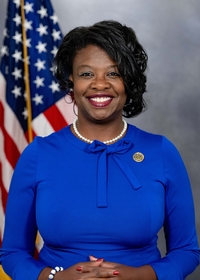
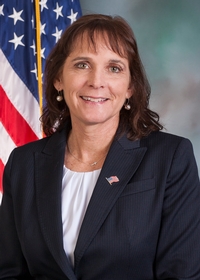
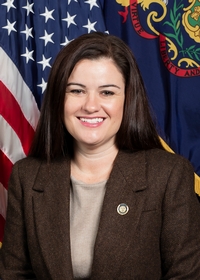
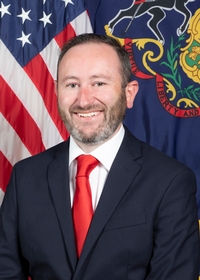
Key legislators
Who's moving education in Pennsylvania
Showing 21–23 of 23
bills
All education bills
HB 819 amends Pennsylvania's teacher certification rules to require expanded professional development options, including manufacturing workplace visits and coaching for advanced courses. It establishes a grant program to help schools that lack access to rigorous courses - such as AP, IB, dual enrollment, or career-focused programs - by funding educator training and course offerings. The law mandates school entities to provide these courses and sets benchmarks for eligibility, with the Department of Education overseeing implementation. This directly affects teachers (through updated certification requirements) and schools struggling to offer college-level coursework.
HB 472 amends Pennsylvania's vehicle code to support minors experiencing homelessness (defined as individuals under 18 meeting federal homelessness criteria under 42 U.S.C. § 11434A). It allows these minors to use temporary addresses (like schools or shelters) for license applications, substitute school/social worker signatures for parental/guardian signatures, and waive initial license/ID fees. The bill directly affects homeless youth under 18 seeking driver's licenses or learner's permits in Pennsylvania. Key provisions include updated definitions in Section 102, revised application requirements in Sections 1505(g), 1506(c), and 1507(a), and fee waivers in Sections 1510(k) and 1951(e).
HB 190 requires Pennsylvania schools to annually provide eating disorder awareness and education materials to parents, guardians, and key school staff (like counselors and principals) for students in grades 6-12. The bill mandates that schools share this information via email, mail, or website, using materials developed by the Department of Health in collaboration with an advisory committee of experts from groups like the National Alliance for Eating Disorders and school health organizations. These materials must explain warning signs, resources, prevention, and be available in multiple languages. The law directly affects all public, charter, cyber, and nonpublic schools in Pennsylvania, aiming to improve early recognition and support for students facing eating disorders.