

Issue · Budget & Taxes
Budget & Taxes (Tax Credits)
Every budget & taxes bill, vote, and legislator stance in Pennsylvania, automatically classified by Maddy, our AI policy reader.
Total bills
98
2025-2026 Regular Session
Top supporter
Camera Bartolotta
100% support rate
Top opponent
Amanda Cappelletti
17% support rate
Ranked legislators
10
5 support · 5 oppose
Key legislators
Who's moving tax credits in Pennsylvania
| Legislator | Party | Stance | Support rate | Votes |
|---|---|---|---|---|

Camera Bartolotta
Senate · District 46
|
R |
Strong +
|
100% | 6 |

Judy Ward
Senate · District 30
|
R |
Strong +
|
100% | 6 |

Lisa Baker
Senate · District 20
|
R |
Strong +
|
100% | 6 |

Tracy Pennycuick
Senate · District 24
|
R |
Strong +
|
100% | 6 |
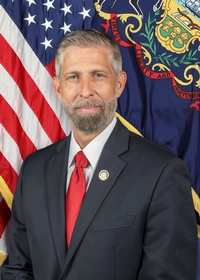
Craig Williams
House · District 160
|
R |
Strong +
|
86% | 22 |

Amanda Cappelletti
Senate · District 17
|
D |
Strong −
|
17% | 6 |

Art Haywood
Senate · District 4
|
D |
Strong −
|
17% | 6 |

Katie Muth
Senate · District 44
|
D |
Strong −
|
17% | 6 |

Lindsey Williams
Senate · District 38
|
D |
Strong −
|
17% | 6 |

Tim Kearney
Senate · District 26
|
D |
Strong −
|
17% | 6 |
Showing 71–80 of 98
bills
All budget & taxes bills
SB 526: An Act amending the act of March 4, 1971 (P.L.6, No.2), known as the Tax Reform Code of 1971, in tax credit and tax benefit administration, further providing for definitions; providing for volunteer certified emergency medical technician and volunteer firefighter tax credit; and imposing duties on the Department of Revenue.
Sub-Topics
Tax Credits
HB 1038: An Act amending the act of March 4, 1971 (P.L.6, No.2), known as the Tax Reform Code of 1971, in tax credit and tax benefit administration, further providing for definitions; and providing for green roof tax credit.
Topics
✓ Budget & TaxesSupports Budget & TaxesCreates 25% tax credit for green roof installations, reducing tax liability for qualifying property owners under Tax Reform Code - direct tax relief provision.
✓ EnergySupports EnergyCreates 25% tax credit for green roofs, promoting building energy efficiency and renewable infrastructure through direct financial incentive.
✓ EnvironmentSupports EnvironmentCreates 25% tax credit for green roofs, promoting stormwater management, urban heat reduction, and sustainable building practices per bill summary.
Sub-Topics
Tax Credits
HB 963: An Act amending the act of March 4, 1971 (P.L.6, No.2), known as the Tax Reform Code of 1971, providing for Apprentice Education Expense Tax Credit Program and for powers of the Department of Revenue.
Topics
✓ Budget & TaxesSupports Budget & TaxesCreates tax credit reducing employer tax liability for apprentice education expenses, providing direct tax relief and promoting workforce development through fiscal incentive.
✓ EducationSupports EducationBill creates tax credit for employers covering apprentices' educational expenses (tuition, books, fees), directly expanding vocational training access. Aligns with topic's 'educational access' focus by reducing cost barriers for apprentices.
✓ Labor & EmploymentSupports Labor & EmploymentBill creates tax credits for employer-paid apprentice education, advancing workforce development and training opportunities under labor/employment policy.
HB 334: An Act amending the act of March 4, 1971 (P.L.6, No.2), known as the Tax Reform Code of 1971, in tax credit and tax benefit administration, further providing for definitions; and providing for Pennsylvania Individual Recruitment and Retention Tax Credit.
Topics
✓ Budget & TaxesSupports Budget & TaxesCreates $2,500 tax credit for essential workers (teachers, law enforcement, healthcare) reducing state income tax burden, aligning with tax relief for public service roles.
✓ Criminal JusticeSupports Criminal JusticeTax credit explicitly targets law enforcement recruitment (police academy graduates), aiming to strengthen workforce retention in criminal justice sector.
✓ EducationSupports EducationProvides $2,500 tax credit to recruit/retain teachers (with instructional/special ed certs), directly supporting educator workforce through financial incentives.
✓ HealthcareSupports HealthcareBill offers $2,500 tax credit specifically for healthcare professionals (e.g., RNs) to recruit/retain in PA, directly strengthening workforce availability and access to care.
HB 814: An Act amending the act of March 4, 1971 (P.L.6, No.2), known as the Tax Reform Code of 1971, in personal income tax, providing for tax credit for spouses of first responders killed in line of duty.
HB 723: An Act amending the act of March 4, 1971 (P.L.6, No.2), known as the Tax Reform Code of 1971, in tax credit and tax benefit administration, further providing for determination of eligibility and method of submission.
Topics
✗ Budget & TaxesOpposes Budget & TaxesRestricts tax credit eligibility for anti-union activities, limiting available tax benefits and reducing fiscal support for affected businesses.
✓ Labor & EmploymentSupports Labor & EmploymentBlocks tax benefits for anti-union activities, discouraging employer interference with collective bargaining and strengthening worker rights protections under labor laws.
HB 867: An Act amending the act of March 4, 1971 (P.L.6, No.2), known as the Tax Reform Code of 1971, in tax credit and tax benefit administration, further providing for definitions; and providing for stillbirth tax credit.
Sub-Topics
Tax Credits
HB 1287: An Act amending the act of March 4, 1971 (P.L.6, No.2), known as the Tax Reform Code of 1971, in personal income tax, further providing for special tax provisions for poverty.
SB 821: An Act amending the act of March 4, 1971 (P.L.6, No.2), known as the Tax Reform Code of 1971, providing for National Guard service tax credit.
Topics
✓ Budget & TaxesSupports Budget & TaxesCreates $500 tax credit for National Guard members, reducing tax liability under PA income tax code, aligning with tax relief support for eligible taxpayers.
✓ VeteransSupports VeteransCreates $500 tax credit for PA National Guard members with 2+ years service, directly providing financial benefit to veterans through tax reduction.