Maddy summaryS 480 requires the U.S. Secretary of Agriculture to create a working group within 120 days of enactment to assess risks to U.S. food safety and animal health from beef imported from Brazil. The group must include food safety and animal health experts, plus representatives from agencies like U.S. Customs and Border Protection. The bill temporarily bans all beef and beef products from Brazil entering the U.S. starting on the bill's enactment date until the working group submits its recommendations to the Secretary. This directly affects Brazilian beef exporters and U.S. importers of Brazilian beef products. The bill does not change existing import rules but mandates a review process before allowing such imports to resume.
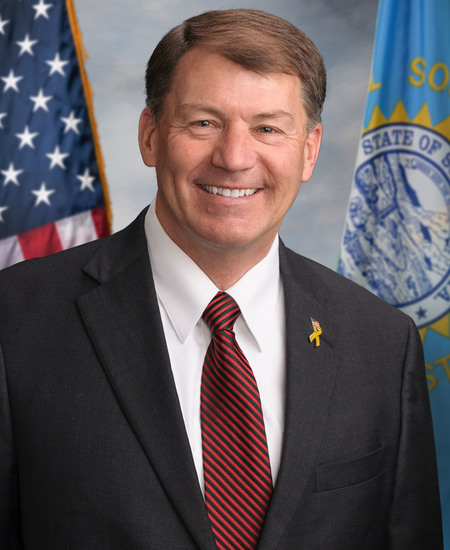
Sen. Mike Rounds
Sponsored bills
Maddy summaryThis bill prohibits individuals charged with or convicted of human trafficking or drug trafficking offenses that occurred near the U.S. border (including territorial waters) from receiving federal benefits. It directly affects people facing such charges or convictions, barring them from benefits like Social Security, housing assistance, health programs, or professional licenses funded by the federal government. The prohibition applies automatically upon indictment, charge, or conviction for a border-related offense, but ends if charges are dismissed or the person is found not guilty, with retroactive payment of withheld benefits. The bill defines "border-related" offenses broadly, covering specific trafficking crimes under federal law where any part of the conduct happened at the border.
Maddy summaryThis bill establishes new health and documentation requirements for importing live dogs into the U.S. It requires all imported dogs to be vaccinated, parasite-free, properly identified, and accompanied by a certificate from an accredited veterinarian. Importers must submit electronic documentation before arrival, and dogs imported for transfer (like adoption or sale) must be at least 6 months old. Exceptions exist for research, veterinary treatment, or Hawaii-specific cases where dogs stay within the state. Violations could trigger fines, quarantine, or removal of dogs.
Maddy summarySRES 67 is a symbolic Senate resolution designating February 2023 as "Career and Technical Education (CTE) Month" to recognize CTE's role in preparing students for high-demand careers. It does not create new policies or funding but expresses Senate support for CTE programs that connect students with workforce skills in fields like healthcare, technology, and construction. The resolution encourages educators and parents to promote CTE as a valuable educational pathway, referencing the 106th anniversary of the foundational Smith-Hughes Vocational Education Act. As a procedural resolution, it has no direct impact on legislation or affected individuals.
Maddy summaryThis symbolic Senate resolution (SRES 69) designates February 18-25, 2023, as "National FFA Week" to celebrate the 95th anniversary of the National FFA Organization. It recognizes FFA’s role in developing future agricultural leaders through its educational programs, which serve over 850,000 students across all 50 states and territories. The resolution has no legal effect - it is a ceremonial expression of support, not a policy change. It directly affects the FFA organization and its members by highlighting their educational mission during a designated week.
Maddy summaryThis bill provides tax relief to new car dealers who sold inventory due to supply chain disruptions between March 2020 and January 2022. It allows dealers using the LIFO tax accounting method to avoid recognizing income from those sales in the year they occurred, instead deferring tax consequences until they replace the sold vehicles. Dealers have until 2026 to repurchase similar vehicles; if they fail to fully replace the inventory within this window, they must pay back the tax plus interest. The relief directly affects new car dealers who held LIFO inventory during the specified period and are subject to IRS tax rules.
Maddy summaryS 444 requires the U.S. Senate to approve any World Health Organization (WHO) pandemic preparedness treaty before it becomes binding on the United States. The bill mandates that agreements resulting from the WHO’s pandemic treaty negotiations (currently led by the International Negotiating Body) must be treated as treaties under the U.S. Constitution, requiring Senate ratification with a two-thirds vote. It directly affects U.S. foreign policy implementation by ensuring congressional oversight of international pandemic agreements. The bill responds to concerns about WHO’s pandemic management and aims to prevent executive agreements from bypassing Senate review.
Maddy summaryThis bill prohibits the IRS from requiring financial institutions to report new types of account activity, such as deposits, withdrawals, balances, or transaction details. It directly affects banks and other financial institutions that might otherwise be mandated to share this data. The law blocks any new reporting requirements but allows existing programs (in place when the bill passes) to continue. It does not change current IRS data collection practices under existing laws. The bill aims to limit the scope of financial data the government can access from financial institutions.
Maddy summaryThis resolution (SRES 63) is a symbolic Senate measure formally celebrating Black History Month. It acknowledges the contributions of African Americans to U.S. history and society, recognizes the origins of Black History Month (beginning as Negro History Week in 1926), and encourages nationwide reflection on this history. The resolution does not create new laws or policies but serves as a formal Senate acknowledgment of the significance of Black History Month in February. It aims to honor the legacy of African American pioneers and promote learning about their impact on the nation.
Maddy summaryThis bill requires federal financial regulators (like the Federal Reserve or SEC) to analyze how new rules would affect food, electricity, and fuel prices before implementing them. Specifically, it mandates that regulators provide detailed, multi-year price impact estimates - broken down by Consumer Price Index categories - when proposing rules affecting agricultural or energy supply chain businesses. Regulators cannot adopt such rules if the analysis shows price increases, unless the annual Consumer Price Index growth is below 4.5%. The law directly affects businesses in food/energy supply chains and the federal agencies that write financial regulations.