Security And Fairness Enhancement for America Act of 2025 or SAFE for America Act of 2025 This bill eliminates the diversity visa program. This program provides up to 55,000 visas annually to individuals from countries with low rates of immigration to the United States.
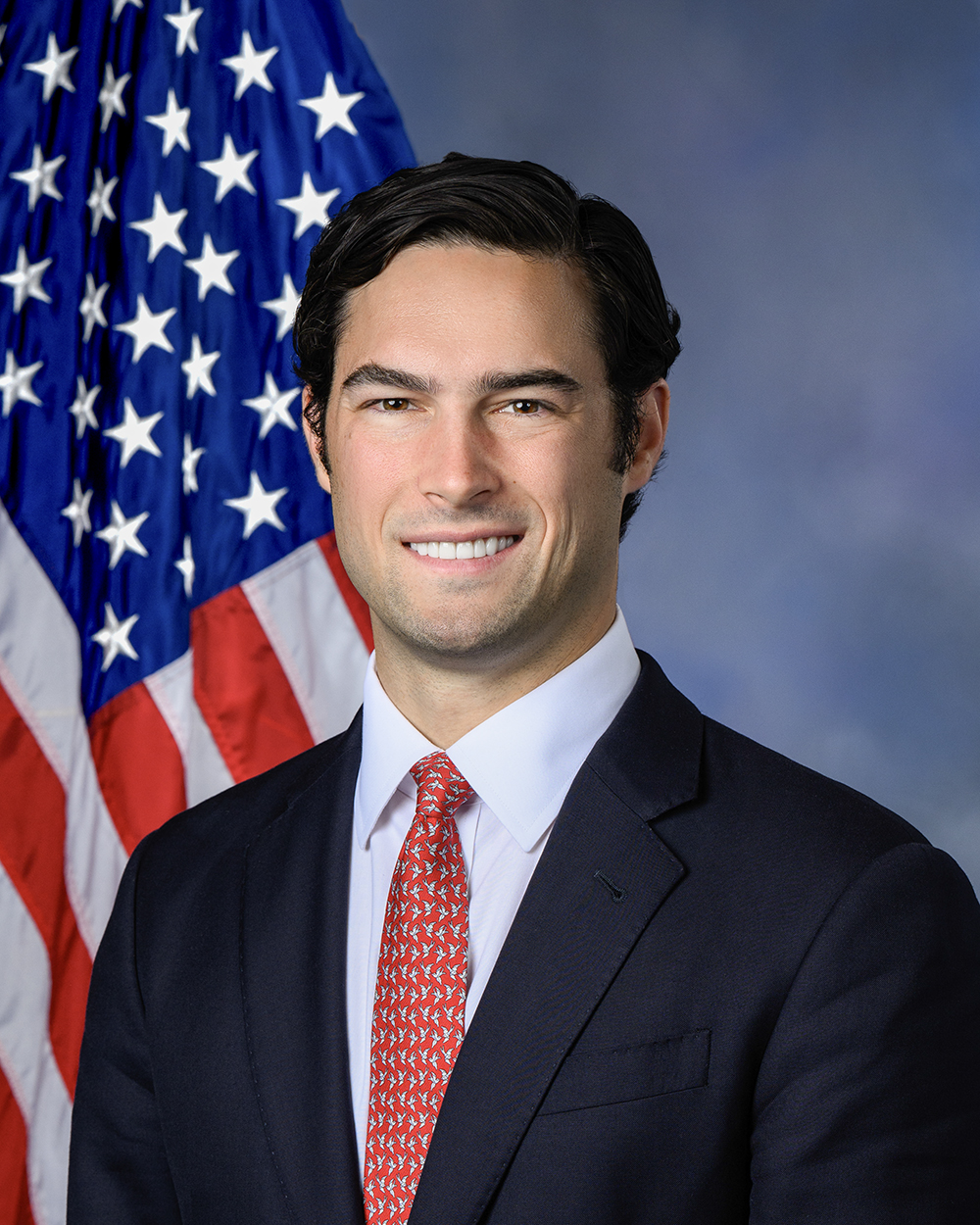
Rep. Brandon Gill
Sponsored bills
Maddy summaryThis bill prohibits financial institutions and payment processors from using specific merchant category codes that separately identify businesses selling firearms or ammunition. It directly affects banks, credit card networks, and payment processors that handle transactions for firearm retailers. The key provision amends the Truth in Lending Act to require these covered entities to treat firearm merchants the same as other businesses for transaction categorization purposes. The law does not change gun ownership laws or restrict firearm sales, only addressing how financial transactions are classified.
Operation Lone Star Reimbursement Act This bill allows Texas to receive reimbursement for expenses incurred from 2021 through 2025 related to securing the southern U.S. border. Texas must submit these expenses to the Department of Homeland Security (DHS) and the Department of the Treasury. DHS must review the submission within 120 days and determine which expenses are eligible for reimbursement. Treasury must pay such reimbursable expenses within 60 days.
Maddy summaryHR 1220 (FIRM Act of 2025) increases nonimmigrant visa fees for applicants from countries meeting specific criteria. It requires the Secretary of State to raise fees by 50% for one criterion (e.g., countries denying acceptance of deported nationals), 100% for two criteria (e.g., terrorism sponsors or Tier 3 trafficking countries), or 150% for all three. The fee hike applies to B-1/B-2 visa applicants (business/tourism visas) from designated countries. The Secretary must review these designations monthly to adjust fees or add new countries. This policy directly affects visa applicants from nations meeting the State Department's criteria.
This bill repeals the Impoundment Control Act of 1974 (ICA). The ICA generally limits the authority of the President to impound (i.e., withhold from obligation or expenditure) funds that have been appropriated by Congress and establishes related procedures. It also establishes expedited legislative procedures that Congress may use to consider legislation to enact rescissions proposed by the President.
Maddy summaryThis bill designates the Department of Veterans Affairs community-based outpatient clinic in Lubbock, Texas, as the "General Bernie Mittemeyer VA Clinic" upon enactment. It updates all official references in federal laws, documents, and records to reflect this new name. The bill does not alter services, funding, or operations at the clinic - its sole purpose is to honor General Bernie Mittemeyer through a ceremonial naming designation. This change affects only the clinic's official identification within federal systems.
Maddy summaryThis bill requires all non-profit organizations receiving federal funds to certify they comply with federal laws against human trafficking, alien smuggling, fraud, and bribery. Non-profits must submit this certification within 60-120 days of the law's enactment or risk repayment of funds and loss of tax-exempt status. The Department of Homeland Security must create compliance guides for non-profits and publish violation data online. Annual reports to Congress will track non-profit compliance failures related to these requirements.
Maddy summaryThis bill clarifies that states may use direct primary care arrangements under Medicaid, where patients pay a fixed fee for primary care only (not for other services). It requires the HHS Secretary to issue implementation guidance within one year and submit a report to Congress within two years analyzing state contracting practices and outcomes of these arrangements. The bill directly affects state Medicaid programs and managed care organizations by removing barriers to adopting this payment model. It does not change Medicaid eligibility, funding, or cost-sharing requirements. The focus is on enabling states to explore new primary care delivery methods through clear regulatory guidance.
Maddy summaryThe Laken Riley Act expands mandatory detention for immigrants convicted of certain property crimes like burglary, theft, or shoplifting by adding these offenses to existing immigration detention criteria. It requires the federal government to issue detainers for such individuals and take custody if not detained by local authorities. The bill also grants state attorneys general standing to sue federal officials in federal court if they believe immigration enforcement actions (like releasing detained immigrants) cause the state financial harm exceeding $100. This creates new legal pathways for states to challenge federal immigration decisions through expedited lawsuits.
Maddy summaryThe Protecting American Energy Production Act (HR 26) states that Congress believes states should have primary authority to regulate hydraulic fracturing (fracking) for oil and natural gas on state and private lands. It prohibits the President from imposing a moratorium on fracking without a new law passed by Congress. This bill directly affects federal executive authority by preventing unilateral federal bans and reinforces state regulatory roles. The key provision ensures any federal restriction on fracking would require a specific act of Congress, rather than executive action.