Maddy summaryThe Freedom from Taxes Act of 2026 eliminates federal transfer and making taxes on firearms, which directly affects individuals buying or manufacturing guns. By setting these specific taxes to zero, the bill removes the $200 fee previously required when transferring or making certain firearms. The law also adds a time limit to a special tax, ensuring it no longer applies to years beginning after the bill takes effect. These changes would become active on the first day of the first calendar quarter starting more than 90 days after the legislation is signed into law.
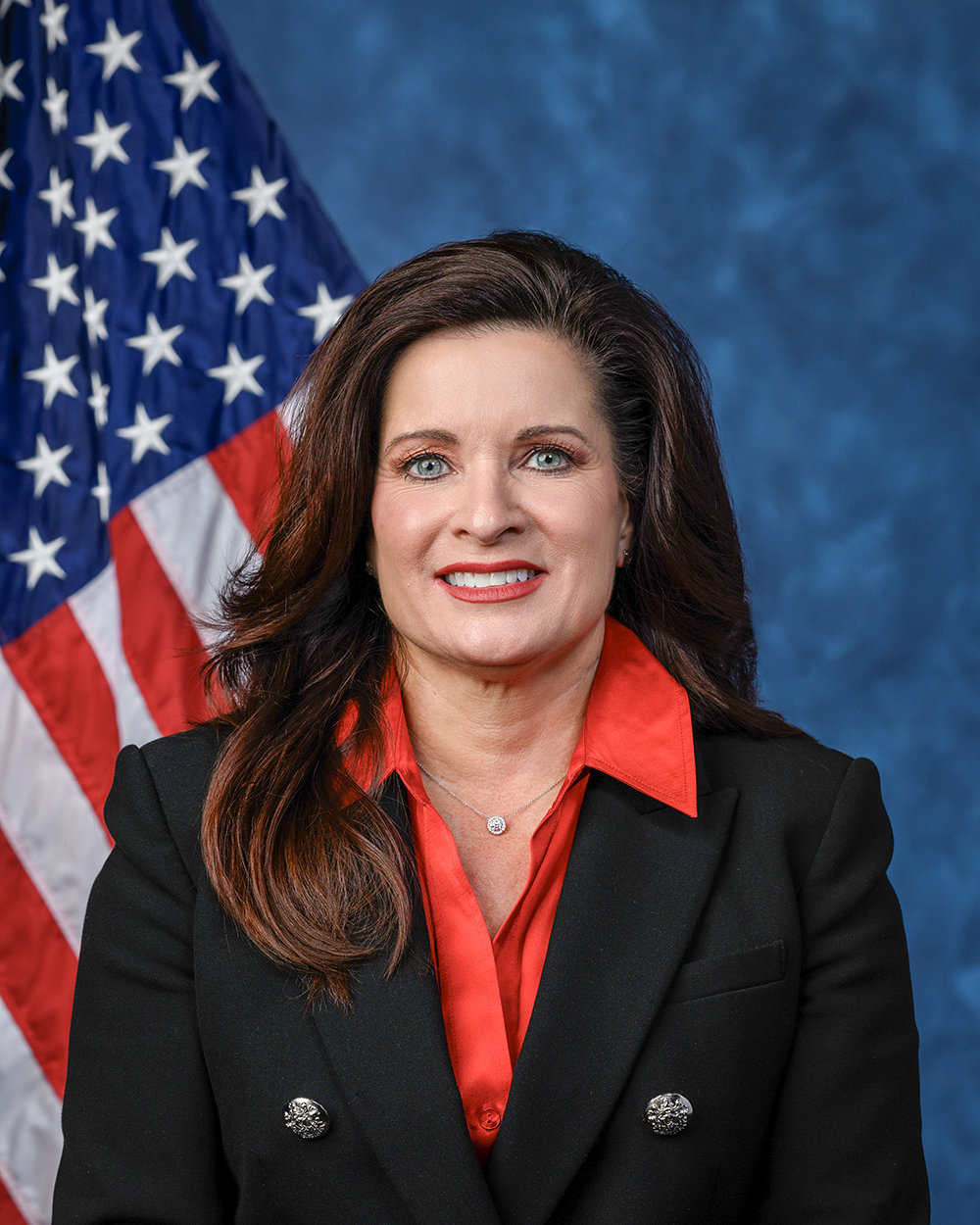
Rep. Sheri Biggs
Sponsored bills
Maddy summaryHR 8901, the Securing Innovation and Research from Adversaries Act, prohibits federally funded researchers and institutions from collaborating with entities on specific U.S. government restricted lists, such as those related to national security risks or forced labor. The bill defines research collaboration broadly to include joint projects, data sharing, co-authorship, and personnel exchanges, and it requires agencies to issue guidance for standardized compliance. While the law generally bans these partnerships, it allows federal agency heads to grant case-by-case waivers if the collaboration is essential for national security or critical scientific purposes, provided they report the decision and justification to Congress within 30 days.
Maddy summaryThis bill prohibits Members of Congress and their survivors from receiving federal retirement benefits if they are convicted of specific sexual offenses committed on or after the law's enactment. It also bars pension payments for individuals who are under indictment for these crimes and willfully remain outside the United States for more than a year to avoid prosecution. Additionally, the legislation allows funds that would have gone to a convicted member's pension to be redirected to pay court-ordered restitution to victims of the sexual offenses.
Maddy summaryHR 5625, the Cashless Bail Reporting Act, requires the Attorney General to publish and regularly update a public list of all states and local governments that allow cashless bail (release without requiring money bonds). This list must be available within 30 days of the bill's enactment and updated quarterly. The bill does not change existing bail laws but increases transparency by making it easier for the public to see where cashless bail is used. It directly affects individuals seeking information about bail practices in different jurisdictions. The key mechanism is a mandatory, publicly accessible database maintained by the federal government.
Maddy summaryThis bill, titled the Deporting Illegal Poachers Act, would make non-citizens who break hunting or fishing laws subject to deportation. It directly affects foreign nationals who have been convicted of, admitted to, or whose actions constitute violations of state or federal rules regarding licenses, seasons, bag limits, or protected species. Under the new provisions, these individuals would be considered inadmissible to the United States and deportable if found guilty of such offenses, regardless of whether the crime is classified as a misdemeanor or felony. The law applies to violations occurring in any jurisdiction, including Tribal and local areas, without requiring the offense to be labeled as a serious crime under federal standards.
Maddy summaryThe In God We Trust Act requires the Administrator of General Services to display the national motto "In God We Trust" on every public building within the United States. This mandate applies to all federal buildings and must be completed no later than one year after the law is enacted. The bill specifies that the motto must be inscribed or displayed in a prominent location on each structure.
Maddy summaryThe Bereaved Parents Rights Act requires hospitals and birth centers to notify parents of miscarriages or stillbirths about their options for burial, cremation, or hospital disposal. This notification must occur within six hours of the event or the parent's discharge, using a standardized form provided by the government. If parents choose burial or cremation within 72 hours, the facility must follow the same state laws that apply to other fetal deaths. The bill also allows parents to sue in federal court if these notification requirements are not met.
Maddy summaryThis bill would amend federal law to strengthen penalties for organized retail crime by expanding definitions of theft to include digital goods, gift cards, and setting a $5,000 aggregate value threshold for charges over a 12-month period. It would establish a new "Organized Retail and Supply Chain Crime Coordination Center" under Homeland Security to coordinate Federal, State, local, and Tribal law enforcement efforts against cross-jurisdictional theft groups. The Center would share information with retailers, transportation companies, and law enforcement agencies, track crime trends, and produce annual reports on organized retail crime. This legislation directly affects retailers, supply chain businesses, and law enforcement agencies, while targeting organized crime groups responsible for a 93% increase in larceny incidents and rising safety concerns for retail employees. The bill aims to address significant financial losses and supply chain disruptions noted in the National Retail Federation's 2023 data.
Maddy summaryThis resolution formally recognizes the importance of motherhood and honors mothers on Mother's Day. It explicitly supports policies that define mothers as women and opposes recent legislative efforts to remove the term "mother" from official House rules. The text also acknowledges various types of mothers, including stepmothers, adopted mothers, and single mothers, while rejecting alternative terms like "birthing person" or "gestational parent." Ultimately, the bill encourages the public to celebrate the sacrifices and contributions of mothers to the nation.
Maddy summaryThis resolution expresses support for designating July 15, 2026, as Glioblastoma Awareness Day to raise public awareness about this aggressive and deadly form of brain cancer. The bill honors patients and caregivers while encouraging greater understanding of the urgent medical needs associated with the disease, which currently has a low survival rate and limited treatment options. It also calls for increased collaboration among government, private, and nonprofit organizations to advance research and develop better therapies for those affected.