Maddy summaryHR 987 authorizes the U.S. Mint to produce commemorative coins honoring Golda Meir, Israel's first female Prime Minister, and the 75th anniversary of U.S.-Israel relations. It specifies three coin types: $5 gold coins (max 50,000), $1 silver coins (max 400,000), and half-dollar clad coins (max 750,000), with detailed weight and composition requirements. All coins will include Golda Meir's image, her name, and commemorative inscriptions, and will be sold during 2026. A surcharge ($35 for $5 coins, $10 for $1 coins, $5 for half-dollars) will be paid to the American Friends of Kiryat Sanz Laniado Hospital Inc. to support its hospital operations.
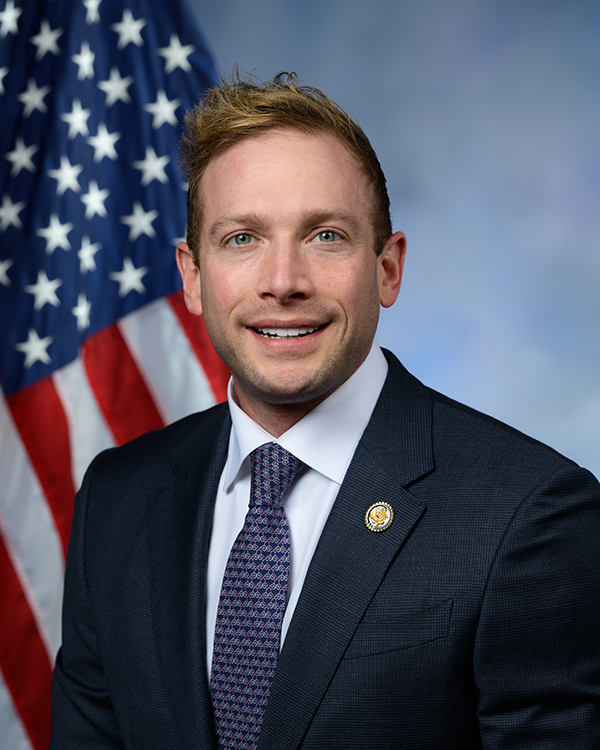
Rep. Max L. Miller
Sponsored bills
Maddy summaryHR 976, the TCJA Permanency Act, makes permanent many tax provisions from the 2017 Tax Cuts and Jobs Act (TCJA) that were scheduled to expire after 2025. The bill affects individual taxpayers by keeping lower tax rates, higher standard deductions, increased child tax credits, and other key changes permanently. Key provisions include permanent modifications to income tax brackets, repeal of personal exemptions, limits on state and local tax deductions, and increased estate and gift tax exemptions. These changes would prevent the tax code from reverting to pre-TCJA rates and rules for millions of taxpayers.
Maddy summaryHR 621, the PART Act, requires catalytic converters on vehicles to be stamped with a visible vehicle identification number (VIN) using special high-visibility paint to deter theft. It creates a federal grant program to help auto dealers, repair shops, and law enforcement implement this stamping at no cost to vehicle owners. The bill also mandates that sellers of catalytic converters retain buyer identification and vehicle details for two years, and adds new federal criminal penalties for stealing or trafficking in catalytic converters.
Maddy summaryHRES 110 is a non-binding resolution supporting the designation of "Career and Technical Education (CTE) Month" to recognize CTE's role in preparing students for high-demand careers. It encourages educators, school counselors, and parents to promote CTE as a respected pathway for students seeking credentials in fields like healthcare, technology, and skilled trades. The resolution highlights CTE's benefits, including reducing high school dropout rates and aligning education with workforce needs, without creating new funding or policy changes. It directly affects schools, educators, and students by affirming CTE's value in workforce development.
Maddy summaryHCONRES 13 is a concurrent resolution expressing Congress's support for maintaining the current policy that prohibits imposing new fees on local radio stations for playing music. It states that Congress should not impose any performance fee, tax, royalty, or charge on local radio stations for broadcasting sound recordings over the air, or on businesses like bars and restaurants that play music publicly. The resolution argues that such fees would harm local radio stations - critical sources for emergency information and community programming - and jeopardize the economic model that has supported both radio and the music industry for decades. This resolution does not create new law but formally opposes potential legislative changes to the existing fee structure.
Maddy summaryHR 558 amends the Defense Production Act to prohibit China, Iran, North Korea, and Russia (and entities they control) from purchasing or leasing property within 10 miles of designated sensitive sites. These sites include U.S. military bases, ports, government facilities, and other locations where foreign access could threaten national security through intelligence collection or surveillance. The bill requires the Committee to notify Congress of any violations and applies to transactions occurring after its enactment. It directly affects foreign entities from the listed countries seeking real estate near critical U.S. infrastructure.
Maddy summaryHRES 76 is a resolution to remove Representative Ilhan Omar from the House Committee on Foreign Affairs. The resolution cites specific statements made by Rep. Omar in 2019 and 2021, including remarks described as using anti-Semitic tropes, trivializing the September 11 attacks, calling Israel an "apartheid state," and equating U.S. military actions with Hamas and the Taliban. It states these comments violated House Rule XXIII, which requires members to behave in a manner reflecting creditably on the House. The resolution concludes that Rep. Omar has "disqualified herself" from serving on the Foreign Affairs Committee due to these statements. The bill directly affects Rep. Omar's committee assignment and requires her removal from the Foreign Affairs Committee.
Maddy summaryThis bill requires U.S. public companies (specifically "covered issuers" that file annual reports with the Securities and Exchange Commission) to disclose in their annual reports whether they, their subsidiaries, or joint venture partners have maintained Chinese Communist Party organizations during the reporting period. It mandates companies to summarize any CCP participation in their operations and confirm if their board of directors owes fiduciary duties to shareholders under applicable law. The disclosure must be included starting with the second annual report filed after the bill's enactment. This is a reporting requirement focused on transparency, not a prohibition on CCP involvement.
Maddy summaryThis bill helps new car dealers affected by pandemic-era supply chain disruptions by changing tax rules for inventory sales. It allows dealers using LIFO accounting to treat certain sales of unsold vehicles (liquidations) between March 2020 and December 2021 as "qualified" for tax purposes. Dealers can defer recognizing income from these sales and have until 2026 to replace the sold vehicles before potential tax adjustments apply. The provision specifically targets dealers who couldn't replenish inventory during the supply chain crisis.
Maddy summaryHR 683 (PASS Act of 2023) expands the Committee on Foreign Investment in the United States (CFIUS) review process to cover foreign investments in U.S. agriculture businesses, agricultural biotechnology, and private farmland. It mandates that the President block transactions involving foreign entities from China, Russia, Iran, or North Korea that would give them control over U.S. agricultural operations or land used for farming. The bill allows limited presidential waivers for national security reasons but requires a 30-day review period before any waiver. Additionally, it requires the Secretary of Agriculture to submit biannual reports to Congress on risks posed by foreign ownership in U.S. agriculture.