

Maddy summaryThe Women's Health Protection Act of 2023 would protect access to abortion services by prohibiting states from imposing restrictions that are more burdensome than those for comparable medical procedures. The bill would ensure people can obtain abortion services before fetal viability without unnecessary limitations like mandatory waiting periods or biased counseling, and after viability when necessary to protect the patient's life or health. It would preempt state laws that conflict with these protections and allow for civil enforcement actions to challenge restrictive state laws. This bill directly affects people seeking abortion services (including transgender and nonbinary individuals who can become pregnant), health care providers, and states that have implemented abortion restrictions.
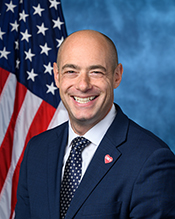
Rep. Greg Landsman
Sponsored bills
Maddy summaryHR 2539 permanently extends the New Markets Tax Credit (NMTC) program, which incentivizes private investment in low-income communities. The bill directly affects community development financial institutions (CDFIs) and investors who fund projects in designated low-income areas by ensuring the credit remains available beyond 2025. Key provisions include automatically adjusting the credit amount annually for inflation starting in 2024 and clarifying that the credit can be used to offset alternative minimum tax liability. This maintains the program’s effectiveness in channeling capital to underserved neighborhoods without changing eligibility or funding levels.
Maddy summaryThis bill establishes a federal grant program to fund state and tribal governments in implementing Next Generation 9-1-1 systems, which upgrade emergency call systems to handle text, video, and data alongside voice calls. It requires grantees to develop coordinated implementation plans emphasizing cybersecurity, interoperability, rural/urban equity, and sustainable funding, with funds covering training, infrastructure, and public outreach. The bill mandates an annual report to Congress, creates a cybersecurity center for threat coordination, and forms an advisory board of public safety professionals to guide implementation. It directly affects state/local emergency communications centers, public safety agencies, and the 9-1-1 systems used by the public during emergencies.
This concurrent resolution authorizes the use of Emancipation Hall in the Capitol Visitor Center on April 20, 2023, for a ceremony as part of the commemoration of the days of remembrance of victims of the Holocaust.
Maddy summaryThe RISE Act (HR 2401) requires colleges to accept multiple types of documentation - such as past Individualized Education Programs (IEPs), Section 504 plans, or licensed professional evaluations - to verify a student’s disability for accommodations, rather than requiring current evaluations. It also mandates institutions to publicly share clear, accessible processes for determining accommodation eligibility and to report specific disability-related enrollment data (like total students with disabilities and accommodations used) to federal databases. The bill authorizes $10 million for a national support center to assist postsecondary students with disabilities. It applies directly to institutions of higher education and students formally registered with disability services offices, without altering existing ADA definitions or rights.
Maddy summaryThe MODERN WIC Act of 2023 modernizes the Women, Infants, and Children (WIC) program by expanding remote participation options for eligible individuals. It allows certification, recertification, and nutritional risk evaluations via phone, video, or other interactive technology (ensuring ADA accessibility), with states required to collect health data within 30-90 days for remote cases. The bill also permits remote delivery of food benefits (e.g., electronic transfers or mail) without in-person pickup and allocates $60 million for technology upgrades to improve program access and secure data sharing. A report to Congress on remote technology use must be submitted within one year, detailing impacts on participation, satisfaction, and best practices.
Maddy summaryHR 2425, the Universal Full-Day Kindergarten Act, establishes a federal grant program to fund full-day kindergarten programs in public schools. It directly affects states, local school districts, and children aged 4-6 by requiring funded programs to offer at least 5 hours daily, be free to families, run year-round, and use qualified teachers meeting state standards. The bill allocates funds to states using a formula based on existing Title I education funding, with specific minimums and requirements for equitable access and program quality. States must submit plans detailing how they'll use funds and ensure local districts meet program standards, while the Secretary must report annually on program availability. The program is authorized for fiscal years 2024-2029.
Maddy summaryThe International Human Rights Defense Act of 2023 creates a permanent Special Envoy at the State Department to coordinate U.S. efforts against discrimination and violence targeting LGBTQI+ people globally. The bill requires the development of an annual global strategy to address criminalization, discrimination, and violence based on sexual orientation, gender identity, or sex characteristics. It also mandates that U.S. country reports on human rights practices include detailed information about laws and practices affecting LGBTQI+ communities. The legislation authorizes U.S. foreign assistance programs to support LGBTQI+ rights through health services, legal protections, and community capacity building. This bill aims to strengthen U.S. diplomatic engagement on LGBTQI+ rights as part of broader human rights policy.
Maddy summaryHR 1139, the GUARD VA Benefits Act, amends federal law to strengthen penalties for individuals or organizations charging veterans unauthorized fees when helping with VA benefit claims. It directly affects veterans seeking assistance with VA claims and the representatives (like advocates or attorneys) who might charge them fees. The bill adds a new provision making it a violation to solicit, charge, or receive any fee for preparing, presenting, or prosecuting VA claims, punishable by fines under Title 18. This change specifically targets unauthorized fee-charging while excluding fees covered under existing exceptions in sections 5904 or 1984 of the law.
Maddy summaryHR 1818, the Aviation Workforce Development Act, expands tax-advantaged savings plans (529 plans) to cover costs for specific aviation training programs. It allows funds from these plans to pay for tuition, fees, and required materials at FAA-certified aviation maintenance technician schools (Part 147) or commercial pilot training programs (Part 61 or 141). This directly affects students pursuing careers as aircraft maintenance technicians or commercial pilots by making these training costs more affordable through existing tax-advantaged savings. The bill amends the tax code to include these programs under "qualified higher education expenses" for 529 plan distributions.