

Maddy summaryThe Physical Therapist Workforce and Patient Access Act of 2023 expands the National Health Service Corps to include physical therapists in its loan repayment program and creates designated "physical therapy health professional target areas" for their assignment in underserved communities. It also amends Medicare to cover physical therapy services provided by physical therapists at Rural Health Clinics and Federally Qualified Health Centers, effective January 1, 2025. This directly affects physical therapists by offering new career pathways in underserved areas and patients in those communities by increasing access to physical therapy services for conditions like pain management and rehabilitation. The bill does not alter existing eligibility requirements for physical therapists but formally integrates their services into key federal healthcare programs.
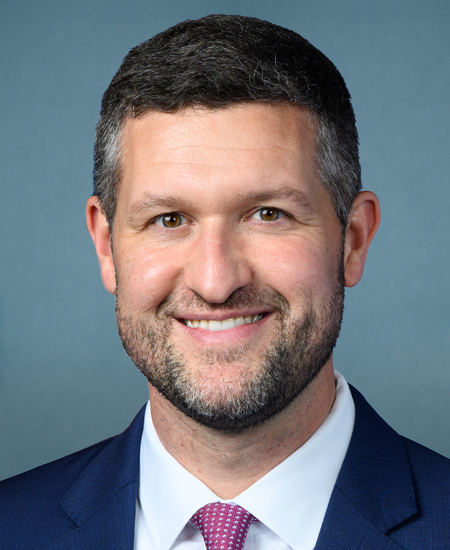
Rep. Patrick Ryan
Sponsored bills
Maddy summaryHR 3875, the Expanded Telehealth Access Act, expands Medicare coverage for telehealth services by adding new healthcare professionals to the list of providers eligible for payment. It specifically includes licensed audiologists, occupational therapists (and their assistants under supervision), physical therapists (and their assistants under supervision), and speech-language pathologists. The bill ensures these providers are paid the same rate for telehealth services as they would be for in-person care under Medicare. This change directly affects Medicare beneficiaries seeking remote therapy services and the new provider types who can now offer these services via telehealth.
Maddy summary# Comprehensive Immigration Reform Bill Summary This document appears to be a draft of a comprehensive immigration reform bill with significant changes to U.S. immigration policy, particularly focusing on employment verification and asylum processing. ## Key Provisions ### Employment Eligibility Verification (E-Verify) System - **Replaces the current E-Verify system** with a new "Employment Eligibility Verification" system under Section 274A - **Phased implementation schedule** for different employer sizes (10,000+ employees, 500-10,000 employees, 20-500 employees, and fewer than 20 employees) - **New penalties** for violations, including: - Civil penalties ranging from $2,500 to $25,000 per violation - Criminal penalties of up to $5,000 per unauthorized alien - **Good faith defense** for employers who comply with verification requirements - **Repeal of Subtitle A of Title IV of the Illegal Immigration Reform and Immigrant Responsibility Act of 1996** ### Asylum Reform - **Establishment of 5 "Humanitarian Campuses"** along the southern border for processing asylum seekers - **Expedited asylum procedures** including: - Mandatory 72-hour rest period after arrival - Initial screening within 15 days - Expedited asylum decisions within 45 days for approved cases - Case management for those referred to immigration judges - **5 Western Hemisphere facilities** for asylum pre-screening and family reunification - **New requirements** for recording credible fear interviews and expedited removal proceedings - **Stricter penalties** for asylum fraud, including permanent ineligibility for asylum benefits ### Additional Provisions - **Criminal background checks** for sponsors of unaccompanied children - **Fraud prevention measures** for Social Security numbers and identity verification - **New verification system** with requirements for biometric checks, medical screenings, and legal orientation - **Provisions for vulnerable populations** including pregnant women, victims of violence, and people with disabilities The bill contains detailed implementation timelines (with many provisions taking effect within 1-5 years), specific numerical requirements for staffing, and extensive procedural requirements for processing immigrants and asylum seekers. This appears to be a comprehensive proposal that would significantly change U.S. immigration enforcement, asylum processing, and employer verification requirements.
Maddy summaryThis bill establishes a new workplace violence prevention standard for healthcare and social service workers. It requires employers in covered facilities - including hospitals, nursing homes, mental health clinics, and social service settings - to develop and implement comprehensive prevention plans with specific requirements. These plans must include risk assessments, hazard prevention measures, employee training on violence prevention, and procedures for reporting and investigating violent incidents. The bill also amends Medicare regulations to require compliance with these standards for hospitals and skilled nursing facilities receiving Medicare funds.
Maddy summaryThis bill establishes minimum nurse-to-patient ratios for registered nurses in hospital units (such as 1:1 in trauma units, 2:1 in critical care units, and 3:1 in emergency rooms), requiring hospitals to develop and maintain staffing plans that meet these standards. It mandates transparency in documenting staffing levels, ensures hospitals verify nurses' competence for specific units, and enforces compliance through Medicare and Medicaid programs with penalties for violations. The bill protects nurses who refuse unsafe assignments due to staffing concerns and includes initiatives to improve nurse retention and address staffing shortages. It directly affects hospitals, nurses, and patients by aiming to improve patient safety and care quality through standardized staffing requirements. The bill applies to all hospitals, with extended implementation timelines for rural facilities.
Maddy summaryHR 2474, the "Strengthening Medicare for Patients and Providers Act," changes how Medicare pays physicians for services. It replaces the previous two-part payment system (used through 2025) with a single annual payment rate update starting in 2024. This update will be based on the Medicare Economic Index (MEI), which tracks costs for medical providers. The change directly affects Medicare-certified doctors and clinics who receive payments under the physician fee schedule.
Maddy summaryThis bill would require Medicare to cover FDA-approved blood tests that screen for multiple cancers simultaneously (like breast, lung, or colorectal cancer) for beneficiaries. It directly affects Medicare recipients aged 65+ who could access these new screenings once per year, without prior authorization. The key provision adds "multi-cancer early detection screening tests" to Medicare's covered services under Part B, defining them as blood tests analyzing cell-free DNA, while maintaining existing coverage for standard screenings like mammograms. The bill does not change current coverage for individual cancer screenings but ensures Medicare keeps pace with new medical technology.
Maddy summaryThe Prevent Interruptions in Physical Therapy Act of 2023 amends Medicare rules to allow physical therapists to use temporary replacement providers (locum tenens) for outpatient physical therapy services, aligning with existing provisions for physicians. This directly affects Medicare beneficiaries receiving physical therapy and physical therapy practices needing temporary staffing solutions during provider shortages. The bill updates the Social Security Act to extend the current physician locum tenens rule to physical therapists, ensuring continuity of care without requiring separate approval for temporary coverage. It applies to services furnished after the bill's enactment date.
Maddy summaryThe Affordable Insulin Now Act (HR 1488) requires health insurance plans and issuers to cover specific insulin products with cost-sharing capped at $35 per 30-day supply or 25% of the negotiated price, whichever is lower, starting in 2024. It directly affects people with diabetes who rely on insulin by limiting out-of-pocket costs for covered products. The bill mandates coverage of all insulin types (rapid-acting, long-acting, etc.) and dosage forms (vials, pumps, etc.) as selected by the plan. This applies to both group and individual health insurance plans under the Public Health Service Act, Internal Revenue Code, and ERISA, with cost-sharing counting toward annual deductibles.
Maddy summaryHR 1401, the END FENTANYL Act, requires U.S. Customs and Border Protection (CBP) to review and update its field inspection manuals at least every three years. This ensures CBP's border inspection practices consistently address new smuggling methods used to hide drugs like fentanyl and human trafficking. The bill mandates that CBP submit reports to specific congressional committees after each update, detailing the changes made to inspection policies. This directly affects CBP officers and border security operations by standardizing how they detect and respond to evolving smuggling tactics.