

Maddy summaryThis bill requires all federal agencies to set specific equity goals in their strategic and performance plans, mandating at least one goal or 20% of total goals focused on improving services for underserved communities and individuals. It establishes an "Agency Equity Advisory Team" with 10+ agency roles (including civil rights, data, and human capital leaders) and creates an "Equity Subcommittee" to coordinate across agencies on equitable practices. The bill also updates data officer responsibilities to prioritize equitable data collection, use, and sharing, including collaboration with community groups and state/local governments. It directly affects all federal agencies and aims to reshape how government services are delivered to populations systematically excluded from economic, social, and civic opportunities.
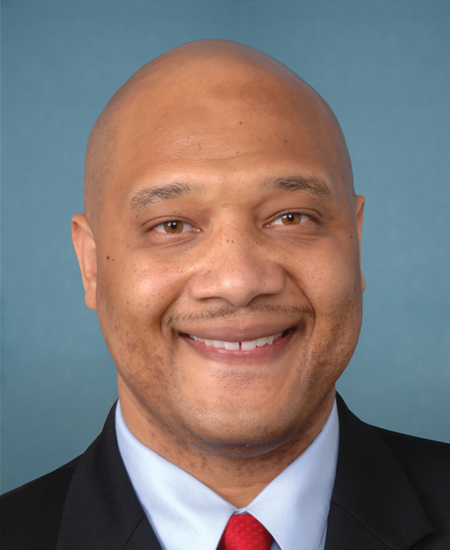
Rep. André Carson
Sponsored bills
Maddy summaryThe Gun Safety Incentive Act establishes voluntary best practices for safe firearm storage (e.g., in homes, vehicles, businesses) through the Attorney General, requiring public education and annual updates. It mandates that firearm manufacturers include a "SAFE STORAGE SAVES LIVES" notice with every handgun, rifle, or shotgun starting in 2027, directing consumers to a public website with storage guidance. The bill also creates a $10 million annual grant program for states and tribes to fund local safe storage device distribution programs and offers a tax credit (up to $400 per device) to manufacturers selling safe storage devices. These provisions directly affect firearm manufacturers, state/local governments, and safe storage device sellers, focusing on accessible storage education and financial incentives without restricting firearm ownership.
Maddy summaryThis bill requires colleges and high schools with athletic programs to create venue-specific emergency plans for heat-related illnesses. These plans must include symptom identification guides, visible posting in key locations (locker rooms, training facilities), and mandatory annual training for all athletes, coaches, medical staff, and administrators. Schools must also ensure quick access to cooling equipment and automatic defibrillators, and report annually on compliance. The law aims to prevent delays in treatment like those that contributed to Jordan McNair's death by mandating proactive, standardized protocols.
Maddy summaryHCONRES 44 is a symbolic resolution recognizing a health and safety emergency for children linked to the Trump administration's climate policies. It claims these policies - unleashing fossil fuel production, blocking renewable energy, and suppressing climate science - disproportionately harm children through increased air pollution, extreme weather, and denied access to climate data. The resolution calls for reversing these policies, restoring the EPA's mission, and ensuring climate action aligns with protecting children's rights. It does not enact new laws or change policy, but serves as a formal congressional statement of concern.
Maddy summaryThis resolution (HRES 585) is a symbolic congressional statement recognizing that extreme weather events - like heatwaves, wildfires, and poor air quality - pose unique health risks to children, including respiratory issues, heat illness, mental health impacts, and disruptions to education. It calls on Congress to prioritize rapid, equitable solutions tailored to children’s needs, such as improved school air filtration, accessible emergency alerts, and child-focused disaster planning. The resolution specifically highlights vulnerable groups like young farmworkers, pregnant people, and children in urban heat islands. As a non-binding resolution, it does not create new laws but urges future legislation and funding to address these climate-related health threats for children.
Maddy summaryHRES 587 is a non-binding House resolution encouraging all U.S. public, private, and charter high schools, colleges, and universities to establish and support girls' flag football programs. It highlights flag football's growth as a low-contact, accessible sport that builds life skills like teamwork and leadership, noting over 100 colleges already have women's varsity programs. The resolution expresses support for expanding such programs to benefit girls, schools, and communities, without creating new laws or funding requirements. As a symbolic measure, it does not mandate action or allocate resources.
Maddy summaryThis bill restricts donations to Presidential Libraries and Centers (organizations established to commemorate former presidents) by limiting who can contribute and how much they can give. It prohibits donations from foreign nationals, lobbyists, federal contractors, people seeking pardons, and others during a president's term and for two years after leaving office, with an annual aggregate limit of $10,000 per donor (adjusted for inflation). Libraries must report all donations over $200 quarterly, including donor details, and publish this information publicly. The law aims to increase transparency and prevent undue influence by restricting certain sources of funding for these institutions.
Maddy summaryHR 4444 would replace the current "undue hardship" standard for discharging student loan debt in bankruptcy with a new, more accessible standard. This change directly affects the 43 million Americans with federal student loans, particularly those struggling with payments (over 6 million are 90+ days delinquent as of June 2025), who currently face an extremely low success rate (less than 0.01%) under the existing Brunner test. The bill amends Section 523(a)(8) of the bankruptcy code to remove "undue hardship," giving courts flexibility to use reasonable criteria while maintaining existing bankruptcy requirements like means testing. This aims to provide a fairer path to relief for borrowers who cannot repay their debts, addressing a system where most bankruptcy filings for student loans fail.
Maddy summaryThis bill prohibits U.S. Immigration and Customs Enforcement (ICE) from using federal funds to detain or transport U.S. citizens during civil immigration enforcement actions. It directly affects ICE operations by blocking funding for any activity that would hold or move citizens outside the U.S. under immigration laws. The key mechanism is a specific funding restriction in the bill text, stating no funds may be used for detaining or transporting citizens. This applies to all civil immigration enforcement activities defined under the Immigration and Nationality Act. The bill does not create new enforcement powers but limits how existing funds can be spent.
Maddy summaryThe CIRCLE Act establishes a 30% tax credit for businesses investing in new or upgraded recycling infrastructure, such as facilities processing materials like electronics (computers, monitors, peripherals) and other recyclables. It directly affects businesses building or modernizing recycling operations by reducing their tax burden for qualifying equipment placed in service after 2025. A 10% domestic content bonus credit is available for investments meeting specific U.S. manufacturing requirements, and the full credit phases out gradually between 2032 and 2037, ending entirely by 2037. The bill aims to boost the U.S. recycling rate from ~30% toward the EPA’s 2030 goal of 50% by incentivizing domestic recycling capacity.