Maddy summaryThe YouthBuild for the Future Act aims to strengthen and expand the existing YouthBuild program, which provides education and job training to young people. The bill increases authorized funding for the program and creates a new grant program to foster partnerships between YouthBuild programs and employers, aiming to develop more employment opportunities for participants. It reserves a portion of increased funds for rural areas and programs serving Native American, Alaska Native, and Native Hawaiian communities. Furthermore, the bill expands the types of supportive services YouthBuild programs can offer, including meals and assistance with applying for federal and state benefit programs.
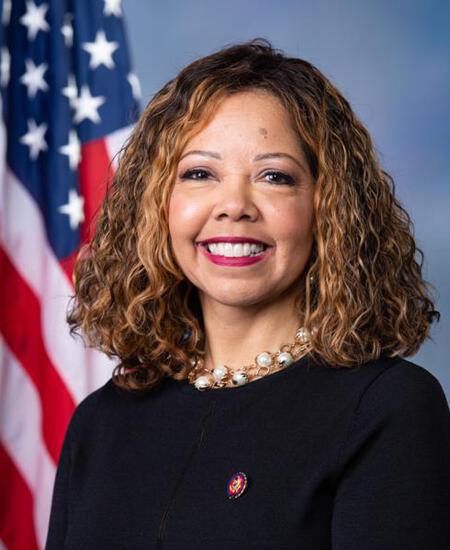
Rep. Lucy McBath
Sponsored bills
Maddy summaryThe CREATES Act authorizes a grant program for states to establish or improve publicly accessible databases of educational and occupational credentials. The Secretary of Labor, in consultation with the Secretary of Education, would award competitive grants up to $10 million over three years to states for this purpose. States receiving grants must create repositories that identify all credentials and training providers in the state, including details on program costs, skills developed, career pathways, and employment outcomes associated with each credential. These repositories must use transparent, interoperable data formats and be continuously updated, while strictly prohibiting the collection of any personally identifiable information. This initiative aims to help individuals make informed education and career choices, and provides data for employers, educators, and counselors.
Maddy summaryThis resolution expresses support for designating April 2026 as "Second Chance Month" to raise awareness about barriers faced by people with criminal records. The bill does not create new laws or change existing policies but serves as a symbolic gesture to highlight challenges in employment, housing, and education for formerly incarcerated individuals. It calls on communities, employers, and organizations to promote awareness of these obstacles and encourage efforts to help people reintegrate into society. The resolution honors the bipartisan First Step Act of 2018 and the Second Chance Act of 2007, which provide reentry services to incarcerated individuals.
Count the Crimes to Cut Act of 2025 This bill establishes public databases of federal criminal offenses. Specifically, the bill requires the Department of Justice to report on and create a public database of all criminal statutory offenses. Additionally, the bill requires federal agencies to report on and create public databases of criminal regulatory offenses that they enforce.
Maddy summaryThis bill seeks to block a specific rule issued by the Department of Education that affects the William D. Ford Federal Direct Loan Program. If passed, it would prevent the rule from taking effect, meaning the proposed changes to federal student loans would not be implemented. The measure uses a legislative process known as a joint resolution of disapproval to override agency regulations. It directly impacts students, families, and institutions that rely on federal student loans by stopping the Department of Education from enforcing the new policy.
Maddy summaryThe Maternal Vaccination Act amends the Public Health Service Act to expand a federal campaign focused on increasing vaccination rates among pregnant and postpartum individuals and their children. This legislation directly affects public health programs by updating language to explicitly include these populations and directing funding toward outreach efforts that address disparities among racial and ethnic minority groups. Key provisions modify existing sections of the Public Health Service Act to broaden the campaign's scope and increase the authorized funding amount from $15 million to $17 million per fiscal year for the period 2027 through 2031. The bill aims to improve vaccination equity by ensuring federal resources specifically target maternal and pediatric immunization efforts.
Maddy summaryThe Kira Johnson Act establishes a federal grant program to support community-based organizations in improving maternal health outcomes for populations facing higher rates of maternal mortality and health disparities. It allocates $100 million annually from 2027 to 2031 for grants that fund programs addressing social determinants of health, culturally congruent care, and support for midwifery practices. The bill also creates a separate $5 million annual funding stream for training all maternity care employees on bias reduction, trauma-informed care, and respectful service delivery. Additionally, the legislation requires hospitals and health systems to establish compliance programs that allow patients to report bias and mandates regular public reporting on these efforts. A study by the National Academies and ongoing evaluation by the GAO will assess the effectiveness of these initiatives in improving patient experiences and health outcomes for pregnant and postpartum individuals from racial and ethnic minority groups.
Maddy summaryThe Data to Save Moms Act aims to improve maternal health outcomes by increasing funding and support for maternal mortality review committees across the United States. The bill provides $10 million annually from 2027 to 2031 to help these committees recruit more diverse community members, including people with personal experiences of maternal mortality or severe health complications, and to address barriers like transportation and compensation that prevent participation. It also requires committees to conduct outreach to racial and ethnic minority communities and publicly report on their review processes and diversity efforts. Additionally, the legislation directs the Health and Human Services Secretary to study maternal health data collection methods, conduct a specific study on American Indian and Alaska Native maternal health outcomes, and award grants to minority-serving institutions for research on maternal mortality disparities.
Maddy summaryThe Perinatal Workforce Act directs the Department of Health and Human Services to issue guidance encouraging hospitals, insurers, and maternity care providers to recruit and retain diverse healthcare professionals, including midwives, physician assistants, and perinatal health workers, while incorporating implicit bias and racism training into their practices. The bill authorizes $15 million annually from 2027 to 2031 for grants that establish or expand accredited education programs for perinatal health professionals, prioritizing schools that recruit students from racial and ethnic minority groups and those planning to practice in areas with maternal health disparities. Additionally, the legislation creates a separate grant program for nursing schools to provide scholarships to students pursuing careers in maternal and perinatal health, with similar diversity and training requirements. The act also requires the Secretary of HHS to conduct a study on respectful maternity care practices and mandates periodic reports from the Government Accountability Office on barriers to maternal health education and access to care.
Maddy summaryThis bill establishes safety and security standards for online platforms and delivery services that accept Supplemental Nutrition Assistance Program benefits. It requires the Food and Nutrition Service to create rules for digital privacy, cybersecurity, fair working conditions including prevailing wages, and food safety for stores and wholesalers participating in the program. Retailers must report their compliance with these standards within 18 months of the rules being finalized, and noncompliance could result in losing authorization to accept SNAP benefits. The legislation aims to protect users and workers while ensuring food safety in the growing digital food assistance landscape.