Maddy summaryHRES 798 is a House resolution condemning support for Hamas, Hezbollah, and other terrorist organizations at colleges and universities. It states such support may create a hostile environment for Jewish students, faculty, and staff, citing incidents like blaming Israel for the October 7 Hamas attack. The resolution urges the Secretary of Education to direct the Office for Civil Rights to investigate and take action where appropriate. This non-binding resolution expresses the House's position but does not create new law or policy changes.
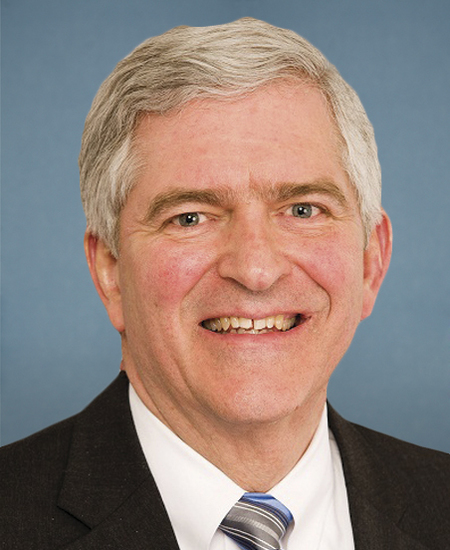
Rep. Daniel Webster
Sponsored bills
Maddy summaryHR 6201, the Iranian Sanctions Enforcement Act of 2023, creates the Iran Sanctions Enforcement Fund to cover costs related to seizing and forfeiting property from Iran or its designated proxies (like Hezbollah or the Revolutionary Guard Corps) that violate U.S. sanctions. The fund, initially $150 million, pays for investigative costs, property management, informant rewards, and equipment for federal, state, and local agencies involved in enforcement. It also establishes an Export Enforcement Coordination Center within Homeland Security to improve interagency cooperation on enforcing export controls targeting Iran. The bill requires annual reports on fund usage and mandates repayment of the initial $150 million by 2034, unless waived for national security reasons.
Maddy summaryHR 662, the Block Grant Assistance Act of 2023, amends the Disaster Relief Supplemental Appropriations Act of 2023 to allow the Secretary of Agriculture to provide disaster loss assistance to eligible states and territories through block grants. This change permits states and territories to use the funds more flexibly for disaster recovery under the existing disaster relief framework, rather than requiring direct federal disbursement for specific losses. The bill directly affects states and territories experiencing disasters covered by the Disaster Relief Act. It modifies the current process by adding a specific provision enabling block grants as an option for distributing relief funds.
Maddy summaryThe Stand with Israel Act prohibits U.S. federal funds from supporting the United Nations Human Rights Council until the UN Security Council and General Assembly adopt a resolution condemning Hamas for its October 7, 2023, attack on Israel. This bill directly affects U.S. government funding for the UN Human Rights Council, blocking all assessed and voluntary contributions until the UN takes specific action. The key provision freezes U.S. financial support for the council based on Congress's finding that Hamas, with Iranian backing, launched a deadly attack resulting in civilian deaths and abductions. The law does not impact other UN funding or programs, focusing solely on the Human Rights Council's financial support.
Maddy summaryThe Fixing Gaps in Hurricane Preparedness Act directs the National Oceanic and Atmospheric Administration (NOAA) to research how people understand and act on hurricane forecasts and warnings. It requires NOAA, in partnership with the National Science Foundation, to study public behavior - including responses from vulnerable groups like the elderly, people with disabilities, and those facing language barriers - in hurricane-prone areas. Key provisions include a pilot study using surveys and interviews to assess preparedness (such as disaster supplies, evacuation decisions, and trust in warnings), plus research on improving forecast accuracy and economic value of extended warning times. The goal is to develop more effective hurricane warning systems that better protect all communities, especially those most at risk.
This resolution condemns Hamas' October 7, 2023, attacks against Israel and expresses sympathy and solidarity with the families of those held hostage or killed in those attacks. The resolution also adjourns the House of Representatives in honor of those killed and unaccounted for.
Maddy summaryHRES 771 is a non-binding resolution expressing the U.S. House of Representatives' support for Israel following Hamas' October 7, 2023, attack. It condemns Hamas' actions, affirms Israel's right to self-defense, and calls for the immediate release of hostages. The resolution also urges enforcement of existing laws restricting aid to terrorists and sanctions against Iran for supporting Hamas. It does not create new policies or allocate funds, as it is a symbolic statement of congressional support.
Maddy summaryHRES 768 is a symbolic House Resolution expressing congressional support for Israel following Hamas' October 7, 2023 attacks. It condemns Hamas' actions, reaffirms Israel's right to self-defense, and calls for the immediate release of hostages. The resolution references the U.S. commitment to Israel's security through existing military aid programs, including the 2016 U.S.-Israel Memorandum of Understanding, and emphasizes enforcement of laws like the Taylor Force Act to prevent U.S. aid from reaching terrorist groups. As a symbolic resolution, it does not create new policy but serves as a statement of congressional support for Israel.
Maddy summaryThis bill prevents the U.S. government from rejoining the 2015 Iran nuclear deal (Joint Comprehensive Plan of Action) or similar agreements until the President certifies to Congress that UN nuclear inspectors have full access to all Iranian nuclear sites and completed their verification report. It directly affects the executive branch's ability to negotiate or rejoin nuclear agreements with Iran. The key provision requires specific certification about inspector access and report completion before any U.S. re-engagement with Iran on nuclear matters. This is a procedural bill focused on setting conditions for future executive action, not creating new programs or altering existing policy.
Maddy summaryThis bill extends existing aviation programs and tax authorities through December 2023. It modifies deadlines for airport improvement grants (extending $842 million in funding for Q4 2023), unmanned aircraft regulations, FAA operations, and key tax collections like fuel and ticket taxes. These changes maintain current funding levels for airports, airlines, and FAA programs relying on the Airport and Airway Trust Fund. The bill does not create new programs but ensures continuity of existing authorizations. It directly affects airports receiving federal grants, airlines paying aviation taxes, and FAA operational activities.