Maddy summaryThis bill directs the State Department to review restrictions on U.S. citizens traveling to North Korea, particularly focusing on humanitarian visits for Americans with relatives there (estimated at 100,000 people). It requires the Secretary of State to submit a report within 180 days detailing how the U.S. will pursue a formal end to the Korean War through diplomatic negotiations with North and South Korea. The bill also mandates a separate report outlining a clear roadmap for achieving a binding peace agreement, including necessary negotiation steps and key stakeholders. These provisions aim to address the ongoing state of war, which the bill states prevents formal U.S.-North Korea relations and family reunifications.
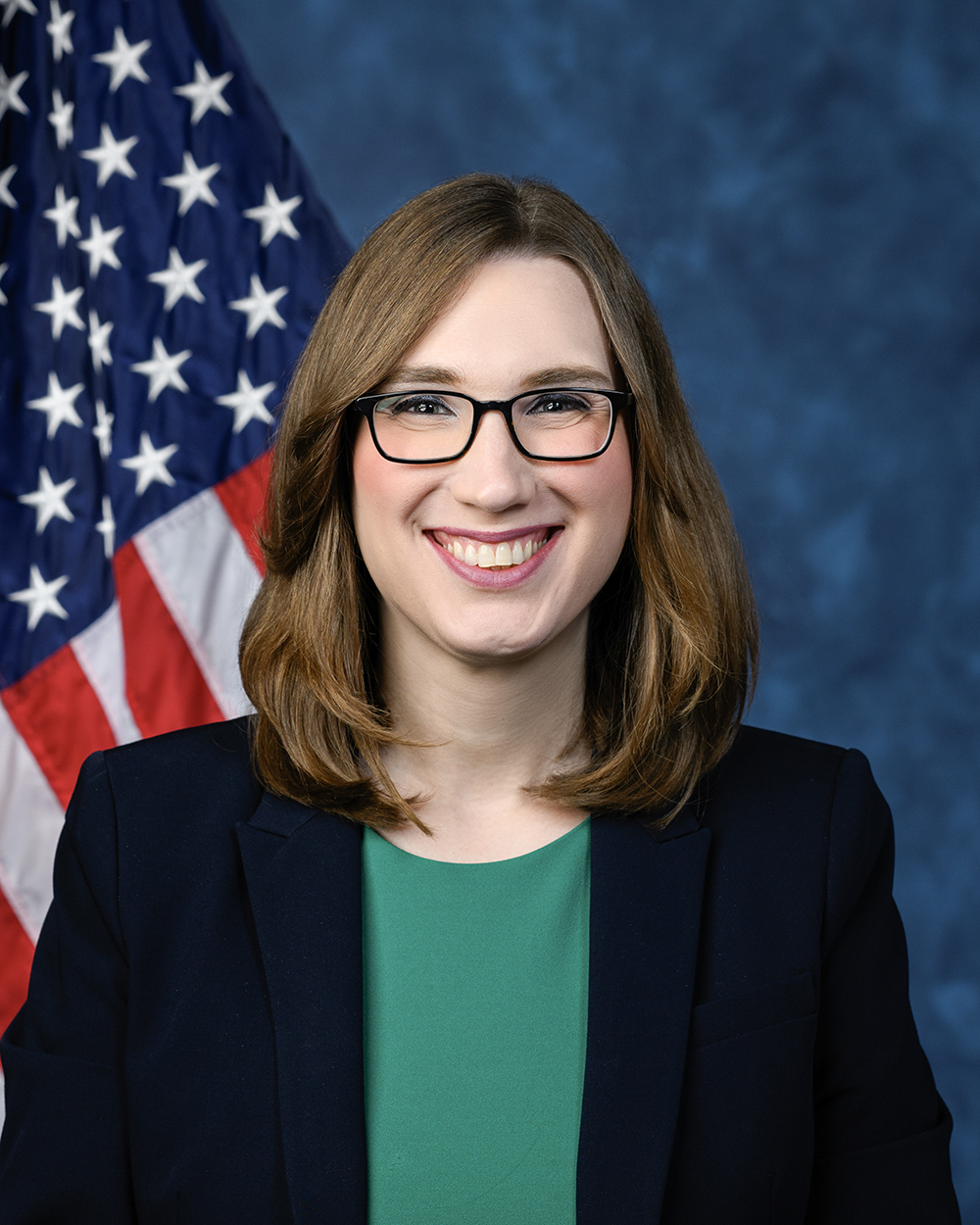
Rep. Sarah McBride
Sponsored bills
Maddy summaryThis bill adds a new tax provision (Section 139J) to the Internal Revenue Code, excluding interest income from certain rural and agricultural loans from taxable income for qualifying lenders. It directly affects banks, insurance companies, and farm credit entities that provide loans secured by rural or agricultural property (including qualifying single-family homes in rural areas), while excluding loans to foreign adversary entities (like those linked to China, Russia, or Iran). The law requires lenders to report on how this tax exclusion impacts loan interest rates, with a Treasury report due to Congress within five years. The policy change aims to reduce lenders' tax burden on these specific loans, potentially lowering costs for borrowers in rural communities.
Maddy summaryHRES 153 is a ceremonial resolution expressing condolences to the families and loved ones of the 67 victims who died in two aviation incidents: American Eagle Flight 5342 and U.S. Army flight PAT 25, which crashed near Washington, D.C.'s Reagan National Airport on January 29, 2025. It specifically honors the victims - many connected to Wichita, Kansas (known as the "Air Capital of the World") - and extends sympathies to affected communities including Wichita, Kansas, and the National Capital Region. The resolution also commends first responders who aided in the recovery efforts. As a non-binding expression of sympathy with no policy changes, it does not affect laws or regulations.
Maddy summaryThis bill allows notaries to perform remote and electronic notarizations for documents affecting interstate commerce, such as property deeds or legal agreements. It requires notaries to verify identities through multiple methods (e.g., two identity checks or a credible witness) and create audio-visual recordings of remote sessions, which must be retained for at least 5 years. The law applies to individuals needing notarization across state lines or for electronic records but does not require notaries to offer these services. It standardizes recognition of valid remote notarizations in federal courts and across state lines, ensuring consistency for users and notaries.
Safe Schools Improvement Act This bill requires states to direct their local educational agencies (LEAs) to establish policies that prevent and prohibit bullying and harassment of elementary and secondary school students. In particular, these policies must prohibit bullying and harassment based on race, color, national origin, disability, religion, or sex. Sex includes sexual orientation, gender identity, and sex characteristics (including intersex traits). Further, LEAs must provide (1) students, parents, and educational professionals with annual notice of the conduct prohibited in their disciplinary policies; (2) students and parents with grievance procedures that target such conduct; and (3) the public with annual data on the incidence and frequency of that conduct at the school and LEA level. The Department of Education must conduct and report on an independent biennial evaluation of programs and policies to combat bullying and harassment in elementary and secondary schools. The National Center for Education Statistics must collect state data to determine the incidence and frequency of the conduct prohibited by LEA disciplinary policies.
Maddy summaryHR 1383 extends the Secure Rural Schools program, which provides payments to counties and states with federal land (like national forests) to support local schools and services. It reauthorizes these payments through fiscal year 2026, adding specific rules to ensure counties don’t receive duplicate payments for 2024 and 2025. The bill also extends related authorities for special projects on federal land and county fund expenditures through 2028-2029. This directly affects rural communities adjacent to federal lands that rely on these payments for education and infrastructure.
Maddy summaryThis bill (HJRES 63) would rename the Robert E. Lee Memorial, a National Park Service site in Arlington, Virginia, to "Arlington House National Historic Site." It directly affects the National Park Service, which manages the site, and all federal government documents, maps, and records referencing the location. The key provision updates all official references to the site to the new name and repeals two prior resolutions that established the memorial. As a procedural renaming bill, it does not create new policies or funding but changes the site's official designation.
Maddy summaryThis resolution symbolically recognizes polycystic ovary syndrome (PCOS) as a serious health condition affecting millions of women and girls in the U.S., highlighting its impacts on reproductive, metabolic, and mental health. It designates September as "PCOS Awareness Month" to promote public education, improve diagnosis rates, and support better management of related health issues like diabetes and cardiovascular disease. The resolution urges increased awareness and research but does not create new laws, funding, or programs. It directly affects individuals with PCOS, healthcare providers, and public health efforts focused on the condition.
Maddy summaryHR 1715, the Public Health Funding Restoration Act, restores annual funding for the Prevention and Public Health Fund to $2 billion starting in fiscal year 2026. This bill directly affects federal public health programs, including the CDC’s immunization initiatives and state/local health departments, by reversing prior funding cuts. It amends the Affordable Care Act to set the annual funding level at $2 billion, enabling continued support for evidence-based prevention programs like childhood lead poisoning prevention, tobacco cessation, and immunizations. The restored funding aims to maintain existing programs proven to reduce healthcare costs and improve community health outcomes. This change specifically targets the Prevention and Public Health Fund (Section 4002 of the ACA) without creating new programs.
Rebuild America’s Health Care Schools Act of 2025 This bill allows hospitals to receive reimbursement under Medicare for certain costs associated with training nursing and allied health students in settings other than the hospital itself. Currently, hospitals may receive reimbursement under Medicare for the reasonable costs associated with training nursing and allied health students if certain conditions are met; the criteria vary depending on whether the students are enrolled in an educational program that is operated by the hospital or another entity. If the students are part of a program that is operated by another entity, the training must occur at the hospital itself or in areas immediately surrounding the hospital in order to qualify for reimbursement (among other requirements). The bill allows hospitals to receive reimbursement for these costs if the training is conducted at an entity that is related to the hospital (i.e., common ownership or control). The bill requires the Centers for Medicare & Medicaid Services (CMS) to update regulations to reflect these changes. Additionally, the CMS may not recoup or reduce payments to hospitals with respect to costs that are allowed under the bill and must refund any such recoupments or reductions that occurred during the six-year period prior to the bill's enactment.