

Maddy summaryThis bill establishes federal worker heat protection standards to prevent heat-related illness and injury. It requires employers to provide a workplace free from heat stress hazards, including access to cool water, scheduled rest breaks, shaded cooling areas, and training on heat illness symptoms. The Secretary of Labor must create these standards within one year, incorporating evidence-based practices like engineering controls (e.g., ventilation), administrative measures (e.g., adjusted schedules), and employer-paid personal protective equipment. The law directly affects all employers in high-heat work environments - such as construction, agriculture, and manufacturing - and strengthens whistleblower protections for workers reporting safety violations.
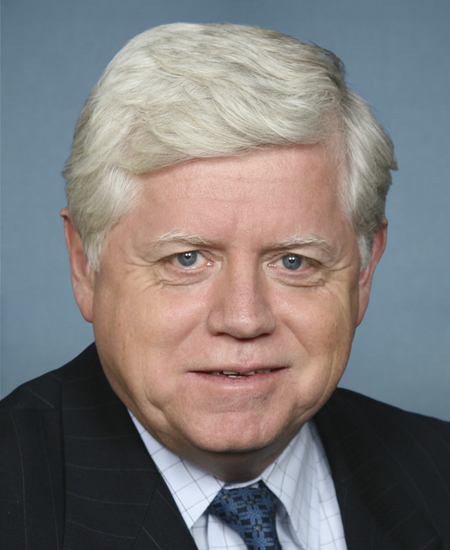
Rep. John B. Larson
Sponsored bills
Maddy summaryThe Cool Corridors Act of 2025 expands the existing Healthy Streets program to fund tree planting, shade structures, and green infrastructure along transportation corridors - like bus stops, transit hubs, and school zones - to reduce heat exposure. It directly affects communities facing extreme heat and limited tree canopy (especially low-income or historically underserved areas), as well as state/local transit agencies, schools, and environmental groups. Key provisions include requiring projects to prioritize heat-vulnerable regions, mandate annual reporting on temperature reduction and equity outcomes, and ensure tree planting doesn’t obstruct traffic safety. The bill also extends program funding through 2030 and mandates coordination with agencies like the EPA and Forest Service.
Maddy summaryHR 4382 authorizes the U.S. Mint to produce commemorative coins for the 2028 Los Angeles Olympics/Paralympics and 2034 Salt Lake City Winter Olympics/Paralympics. It specifies gold, silver, and half-dollar coin designs with defined mintage limits (e.g., up to 100,000 $5 gold coins for each event), all bearing inscriptions like "2028" or "2034" and standard coin features. A surcharge ($5-$50 per coin) is added to sales, with all funds directed to the respective Olympic committees to support event hosting and legacy programs like youth sports. The bill ensures no net cost to the government by requiring surcharge revenues to cover all design, production, and marketing expenses before funds are disbursed.
Maddy summaryThe Expanding Access to Mental Health Services in Schools Act of 2025 creates a federal grant program to help high-need schools hire and retain mental health professionals like counselors, psychologists, and social workers. It targets schools in the top 15% of need (based on student poverty or counts) that lack required staff ratios, such as one counselor per 250 students. Grants fund recruitment incentives (e.g., student loan repayment), retention programs, and evidence-based mental health services, with recipients required to contribute 25% of costs from non-federal funds. Schools must report annually on staff numbers, student-to-staff ratios, and retention rates to track progress toward improved mental health access.
Treat and Reduce Obesity Act of 2025 This bill expands Medicare coverage of intensive behavioral therapy for obesity. Specifically, the bill allows coverage for therapy that is provided by (1) a physician who is not a primary care physician; or (2) other health care providers (e.g., physician assistants and nurse practitioners) and approved counseling programs, if provided upon a referral from, and in coordination with, a physician or primary care practitioner. Currently, such therapy is covered only if provided by a primary care practitioner. The bill also allows coverage under Medicare's prescription drug benefit of drugs used for the treatment of obesity or for weight loss management for individuals who are overweight.
Maddy summaryThe No Secret Police Act of 2025 requires U.S. Immigration and Customs Enforcement (ICE) and other Department of Homeland Security officers working on border security or immigration enforcement to visibly display their official badges or uniforms and provide identification during detentions or arrests. It prohibits officers from wearing face coverings that conceal their face during these interactions. The bill also mandates that the Department report to Congress about tactical gear policies and research technology to improve badge visibility in different conditions like weather or lighting. These changes aim to increase transparency in immigration enforcement encounters.
Maddy summaryThe CONNECT for Health Act of 2025 expands Medicare telehealth coverage by removing geographic restrictions that limited where patients could receive care, expanding the types of health care providers who can offer telehealth services, and eliminating the requirement for an in-person visit before receiving telemental health services. The bill includes specific provisions to support telehealth use for Native American health facilities, rural health clinics, and Federally Qualified Health Centers. It requires the Centers for Medicare & Medicaid Services to collect and publish data on telehealth usage and impacts, and to develop resources to improve accessibility for people with disabilities and limited English proficiency. Program integrity measures are added to monitor telehealth billing practices and prevent fraud while maintaining coverage for telehealth services during public health emergencies.
Maddy summaryThis bill makes the Environmental Protection Agency's existing April 2024 rule on PFAS limits in drinking water legally binding. It codifies the EPA's "PFAS National Primary Drinking Water Regulation" (89 Fed. Reg. 32532), which sets enforceable limits for specific PFAS chemicals in public water systems. The rule directly affects municipal water providers and communities relying on public water sources by requiring them to meet these new contaminant standards. The bill does not create new standards but formally adopts the EPA's previously issued rule into law.
Maddy summaryThe PRIDE Act of 2025 updates the Internal Revenue Code by replacing gender-specific terms like "husband and wife" with gender-neutral terms such as "married couple" or "spouse" across over 30 tax code provisions. This change affects all married couples filing federal taxes and the IRS, as it modernizes tax law language to be inclusive of all married individuals regardless of gender. The bill makes specific textual amendments to sections dealing with filing status, deductions, credits, and estate tax provisions without creating new tax benefits. It ensures tax law language does not assume the gender of spouses, making the tax code more equitable for all married couples. This is a language update to existing tax law, not a change in tax policy or benefits.
Maddy summaryThis bill makes technical corrections to the Camp Lejeune Justice Act of 2022 to streamline claims for individuals harmed by water contamination at Camp Lejeune. It clarifies the evidence required (30+ days at the base plus a link between contaminants and health harm), specifies that cases must be handled in North Carolina courts (with limited transfer options), and sets attorney fee caps (20% before suit, 25% after). These changes directly affect veterans and civilians who lived at Camp Lejeune and filed claims under the 2022 law. The bill does not create new eligibility but aims to improve the legal process for existing cases.