

Maddy summaryHR 7801, the Sultana Steamboat Disaster Commemorative Coin Act of 2024, authorizes the U.S. Mint to produce commemorative coins honoring the 1865 Sultana steamboat disaster - the worst maritime disaster in U.S. history, which killed nearly 1,200 people. The bill specifies three coin types ($5 gold, $1 silver, and half-dollar clad) to be minted between January 1, 2027, and December 31, 2027, with surcharges from sales directed to the Sultana Historical Preservation Society for museum development and artifact preservation. The coins will be sold at face value plus surcharges ($5-$35 per coin), and the funds must support constructing a museum, exhibits, and preserving disaster-related history. This bill does not create new laws but enables commemorative coin sales to fund a specific historical preservation effort.
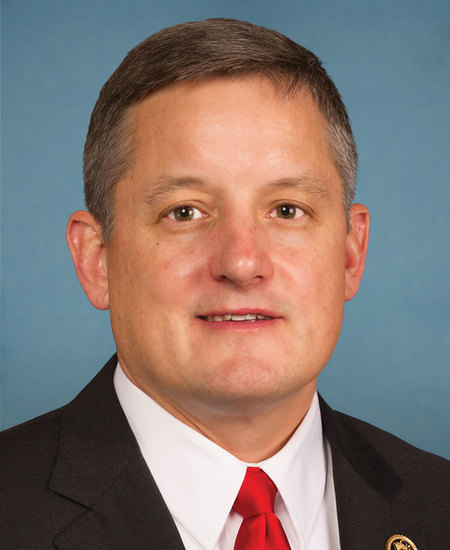
Rep. Bruce Westerman
Sponsored bills
Maddy summaryThis resolution (HRES 1086) is a symbolic gesture expressing the House's support for designating March 19, 2024, as "National Agriculture Day." It does not create new laws or policies, but instead formally recognizes agriculture as a vital industry in the U.S. economy. The resolution celebrates agriculture's broad economic impact without imposing any requirements or changes on farmers, consumers, or government programs. It is a commemorative statement, not a substantive legislative action.
Maddy summaryHR 4278, the Restore VA Accountability Act of 2023, establishes new disciplinary procedures for VA supervisors and management officials (excluding senior executives and political appointees). It requires the VA Secretary to use "substantial evidence" for removal, demotion, or suspension, sets strict timelines (15 business days total for decisions), and creates a new internal grievance process. The bill limits judicial review to procedural errors, not penalty severity, and strengthens whistleblower protections by requiring Office of Special Counsel approval for disciplinary actions involving disclosures. This directly affects VA supervisors and managers whose performance or misconduct leads to disciplinary action.
Maddy summaryThe Pony Up Act requires the United States Postal Service (USPS) to reimburse individuals who were charged late fees or penalties due to delayed delivery of their bills or payment notices. If USPS delivers a bill notice less than 6 days before the payment due date (or payment after the due date), it must pay the exact amount of fees incurred. Individuals can apply for reimbursement via USPS website, mail, or in-person, with appeals available to a Judicial Officer within 30 days. The bill also mandates annual USPS reports on mail delivery delays by mail class and an audit to assess if certain mail types receive priority treatment.
Maddy summaryThe SCHEDULES Act of 2024 requires the Department of Veterans Affairs (VA) to establish specific timeframes for scheduling appointments after a veteran is referred for care: 3 business days for VA facility appointments and 7 calendar days for community care. It directly affects veterans seeking VA care by setting measurable standards for timely access to services. The bill mandates quarterly reports to Congress detailing how many referrals meet these standards, broken down by facility, care specialty (like mental health or cardiology), and state, with all data made publicly available online. These reports must also include annual progress updates on VA efforts to meet the scheduling goals. The law focuses on creating transparency and accountability in VA scheduling processes without altering benefits or funding.
Maddy summaryThe No IRIS Act of 2024 prohibits the Environmental Protection Agency (EPA) from using assessments generated by its Integrated Risk Information System (IRIS) program as the primary data source for three specific actions: developing environmental regulations, carrying out regulatory decisions, or informing the National Air Toxics Assessment. This bill directly affects the EPA's process for incorporating scientific data into rulemaking and regulatory enforcement. It does not ban IRIS assessments entirely but restricts their use as the main basis for these key EPA functions. The policy change alters how the agency relies on IRIS findings in environmental policy decisions.
Maddy summaryHJRES 114 is a joint resolution seeking congressional disapproval of a Federal Highway Administration (FHWA) rule that would have required tracking greenhouse gas emissions as part of assessing performance for the National Highway System. The rule, published in the Federal Register in December 2023, aimed to establish specific metrics for evaluating highway system performance, including emissions data. If approved, this resolution would nullify the rule, preventing the FHWA from implementing the emissions tracking requirement. This action directly affects how the FHWA measures highway system performance, specifically regarding environmental metrics.
Maddy summaryHR 7183, the PROTECTS Act of 2024, prohibits federal funding from being used to provide or refer for specific gender transition procedures to individuals under 18. The bill defines prohibited procedures broadly to include surgeries (like hysterectomy, mastectomy, or genital reconstruction), puberty-blocking medications, and hormone treatments administered at supraphysiologic doses. It includes limited exceptions for medically necessary care, such as treating precocious puberty or correcting genetic disorders of sex development. The law directly affects minors seeking gender-affirming medical care covered by federal programs, restricting federal financial support for these services.
Maddy summaryHR 7044, the "Woman’s Right To Know Act," requires abortion providers to give patients a specific 24-hour in-person informed consent form before performing an abortion. The form must detail the unborn child’s gestational age, medical risks of the procedure, and developmental milestones (like heartbeat presence), and must be signed by the patient, provider, and a witness. Providers who fail to comply face civil penalties of $100,000-$250,000 per violation or lawsuits from patients seeking damages, including triple the abortion cost. Exceptions apply if compliance poses immediate life-threatening risks to the patient. The bill directly affects abortion providers and patients seeking abortion services, mandating specific disclosure requirements and enforcement mechanisms.
Maddy summaryThe LAKES Act (HR 6906) allows local governments and nonprofit organizations to collect and retain user fees for managing lakes and recreation facilities under Army Corps of Engineers projects. It requires that at least 80% of fees collected at a specific site be used for that site's maintenance, while permitting entities to keep up to 100% of fees for related operations. The bill modifies existing laws to ensure these fees supplement, not replace, regular federal funding for recreation facilities. It directly affects local public entities and nonprofits managing Corps-managed water resources. The key change is enabling these groups to retain and use user fees they collect, improving local funding for facility upkeep.