Issue · Labor & Employment

Labor & Employment

Every labor & employment bill, vote, and legislator stance in Oregon, automatically classified by Maddy, our AI policy reader.

Total bills
5
119th Congress
Top supporter
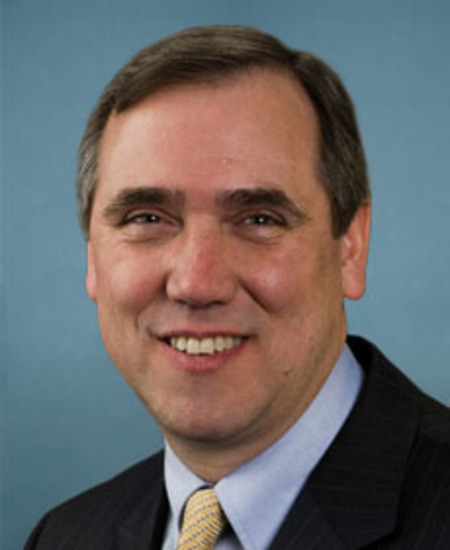
Jeff Merkley
62% support rate
Top opponent
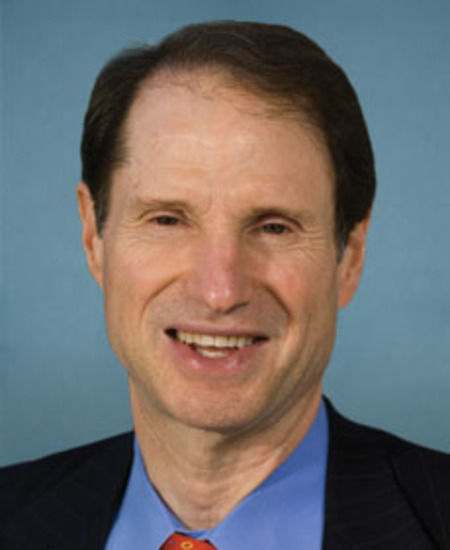
Ron Wyden
38% support rate
Ranked legislators
7
5 support · 2 oppose
Key legislators

Who's moving labor & employment in Oregon

Legislators moving labor & employment in Oregon
Legislator Party Stance Support rate Votes
Jeff Merkley
Jeff Merkley Senate
D
Support
62% 213
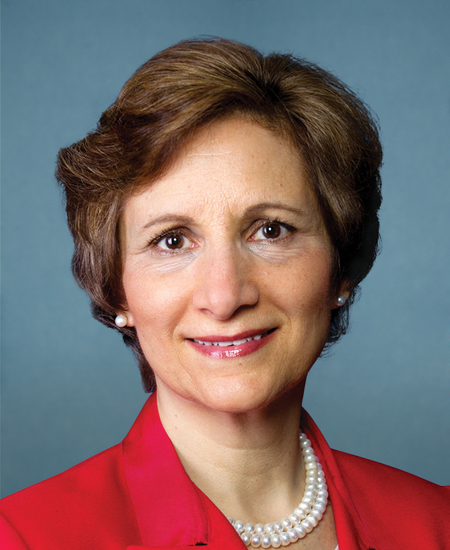
Suzanne Bonamici
Suzanne Bonamici House · District 1
D
Support
62% 198
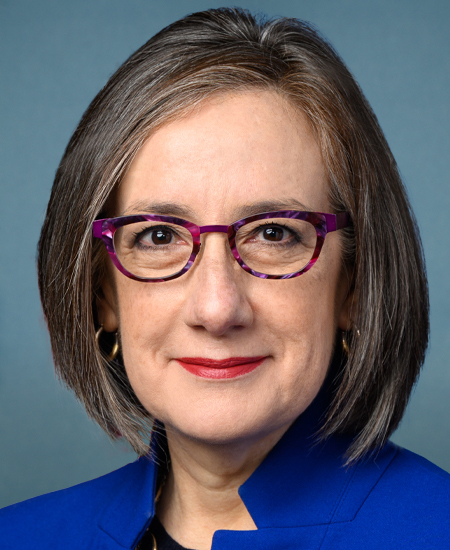
Val T. Hoyle
Val T. Hoyle House · District 4
D
Support
62% 193
Andrea Salinas
Andrea Salinas House · District 6
D
Support
62% 198
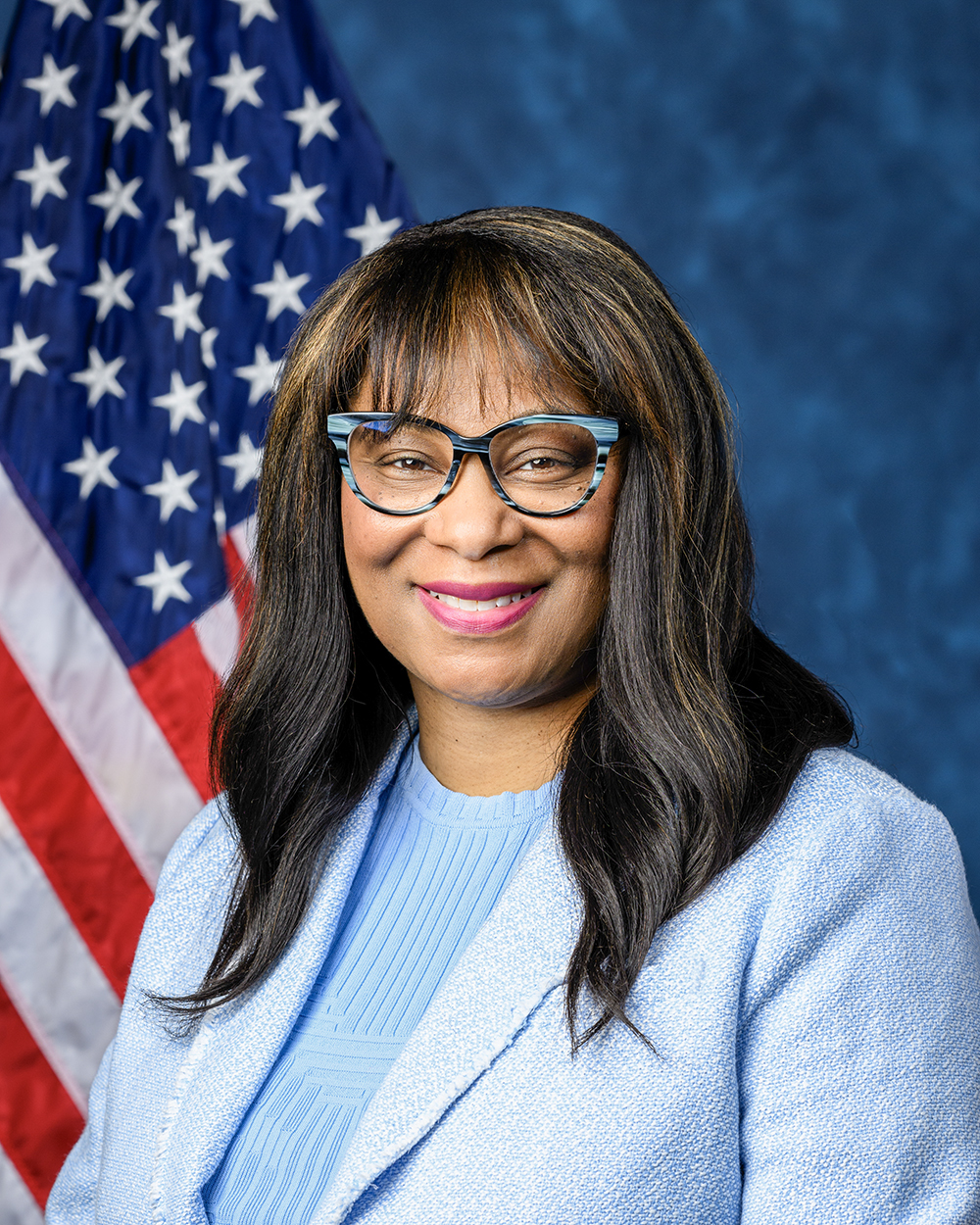
Janelle S. Bynum
Janelle S. Bynum House · District 5
D
Support
62% 196
Ron Wyden
Ron Wyden Senate
D
Oppose
38% 213
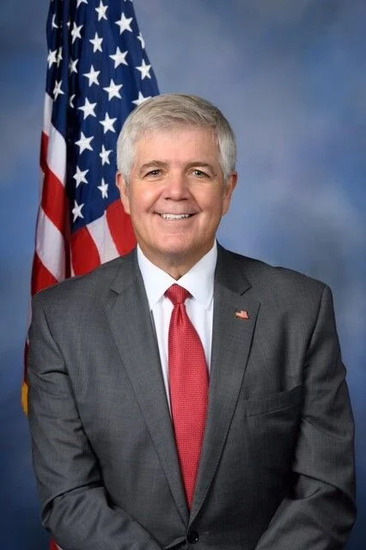
Cliff Bentz
Cliff Bentz House · District 2
R
Oppose
38% 197
Showing 5 of 5 bills

All labor & employment bills

in committee · United States · House Jul 16, 2025

HR 4424: SHIELD Act

The SHIELD Act would change unemployment benefit eligibility by barring workers from receiving regular unemployment compensation if they are unemployed due to a strike or labor dispute they are participating in, financially supporting, or have a direct interest in (excluding lockouts). This rule would require states to adjust their unemployment programs to deny benefits in such cases. The changes would take effect two years after the bill becomes law, though states could choose to implement them sooner. The bill also repeals a federal tax provision related to unemployment tax rates, but this is a secondary provision.
in committee · United States · House Sep 8, 2026

HR 5267: American Franchise Act

HR 5267, the American Franchise Act, clarifies when franchisors can be considered joint employers of franchisee employees under federal labor laws. It defines "substantial direct and immediate control" over essential employment terms like wages, benefits, hours, hiring, and discipline - requiring franchisors to actively set these terms to be deemed joint employers. The bill explicitly excludes routine brand standards, training, or minimal safety requirements from constituting such control. This directly affects franchisors and franchisees by limiting joint employer liability to cases where franchisors exert significant, ongoing influence over core employment decisions. The law applies prospectively to new cases after enactment, not past disputes.
Sub-Topics Labor Standards
in committee · United States · House Feb 26, 2025

HR 1624: Supporting Farm Operations Act of 2025

This bill freezes the minimum wage rate for H-2A agricultural workers at the level effective in each state on December 31, 2023, through December 31, 2026. It directly affects farms hiring H-2A visa workers and the workers themselves by maintaining current wage requirements. The bill clarifies that wage determination for these workers will use a "primary duties evaluation" to assess their main job tasks, rather than all duties performed. This provides stability in wage calculations for agricultural employers and workers during the specified period.
in committee · United States · House Feb 12, 2025

HR 1232: National Right-to-Work Act

HR 1232, the National Right-to-Work Act, would make union membership voluntary for workers in most private-sector jobs by removing legal requirements for employees to join a union or pay dues as a condition of employment. It directly affects workers in unionized workplaces covered by the National Labor Relations Act (including most private employers) and railroad workers covered by the Railway Labor Act. The key change eliminates provisions that allowed "union security agreements" (requiring dues or membership), meaning workers could no longer be forced to pay union fees to keep their jobs. This bill does not change other labor rights or create new programs - it only modifies existing laws to allow workers to opt out of union membership and financial obligations.
in committee · United States · Senate Mar 26, 2025

S 1156: Food Secure Strikers Act of 2025

This bill changes SNAP (food stamp) eligibility rules for workers participating in strikes. It directly affects workers who are on strike by removing an exception that previously allowed them to keep SNAP benefits during labor actions. The key change removes language that let striking workers remain eligible, now making them ineligible to participate in SNAP solely because they are on strike. This is a concrete policy shift in the Food and Nutrition Act, changing who qualifies for food assistance during labor disputes.