Maddy summaryThe Healthy Dog Importation Act establishes new health and documentation requirements for importing live dogs into the U.S. It requires dogs to be in good health, vaccinated, treated for parasites, and permanently identified, with a certificate from a licensed veterinarian. Dogs intended for transfer (such as adoption or sale) must be at least 6 months old and accompanied by an import permit issued by the Secretary of Agriculture. Exceptions cover returning pets, military working dogs, research, and veterinary treatment, while repealing older import rules and mandating an electronic documentation system and central database for tracking.
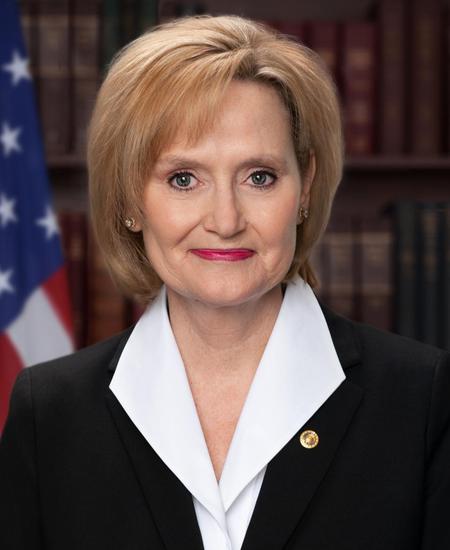
Sen. Cindy Hyde-Smith
Sponsored bills
Maddy summaryThis bill prohibits payment card networks and covered entities (like payment processors) from requiring or assigning merchant category codes that distinguish firearm retailers from general merchandise or sporting goods stores. It directly affects firearm retailers (those selling guns or ammunition) and payment networks (such as Visa or Mastercard), ensuring their transactions are processed without special classification. Key provisions ban the use of discriminatory codes, establish an enforcement process through the Attorney General with complaint mechanisms, and preempt state or local laws on this issue. The bill does not change gun sales laws but alters how payment systems categorize firearm-related transactions. It explicitly states no private lawsuits can be filed under this law.
Maddy summaryThis bill, S 1716 (Vision Lab Choice Act of 2025), modifies vision care coverage under health plans by limiting agreements between optometrists and vision plans to two-year terms (with possible two-year extensions) and prohibiting plans from restricting optometrists' choices of labs or suppliers for patient vision care. It directly affects optometrists and health insurance issuers offering limited-scope vision benefits, ensuring they cannot force optometrists to use specific labs or materials. The bill requires annual state enforcement notifications by the Secretary and clarifies that state laws governing vision plans take precedence if they conflict with this law. It does not change overall coverage requirements but focuses on provider choice and contract terms within vision benefit plans.
Maddy summarySRES 212 is a non-binding Senate resolution affirming that any U.S.-Iran nuclear agreement must require Iran to completely dismantle its nuclear program and adopt strict international inspections. It specifies that acceptable outcomes include Iran disclosing all nuclear activities, allowing unimpeded IAEA access to all sites for verification, and permanently forgoing uranium enrichment and reprocessing. The resolution also mandates that any future U.S.-Iran agreement (a "123 Agreement") must include these safeguards. This resolution expresses the Senate's position on non-negotiable terms for nuclear diplomacy but does not create new law or policy.
Maddy summaryThis bill provides federal loans and loan guarantees to help build, renovate, or upgrade mental health and substance use disorder treatment facilities for both children and adults. It prioritizes projects in underserved rural areas, communities with insufficient treatment beds, and facilities serving pediatric patients (with at least 25% of funds reserved for pediatric facilities). Borrowers must cover 25% of project costs, and loans have terms up to 20 years, with strict limits on government guarantee coverage (max 80%). The program allocates up to $200 million annually from 2026 to 2030, with excess loan revenue funding community mental health services via a new trust fund.
Maddy summaryThis bill increases government support for crop insurance premiums for certain farm insurance plans. It raises the government's share to 77% for higher coverage levels and 68% for lower coverage levels under revenue or yield protection plans using enterprise or whole-farm units - up from previous rates. It also adjusts coverage requirements (lowering the minimum from 14% to 10% for some options) and increases premium subsidies for supplemental coverage from 65% to 80%. The bill requires a study on expanding supplemental coverage to larger counties, with a report due within a year of enactment.
Maddy summaryThe Neighborhood Homes Investment Act creates a new tax credit to increase affordable homeownership in distressed communities by closing financing gaps. It allows developers to claim a credit equal to the difference between development costs and affordable sale prices, capped at 40% of development costs or 32% of the national median home price. To qualify, homes must be sold to individuals with incomes at or below 140% of area median income in designated distressed census tracts, with specific requirements for rehabilitation and affordability. The credit is designed to address housing shortages in low-income areas while requiring repayment if homes are resold within five years.
Maddy summaryThe MOMS Act establishes a federal website called pregnancy.gov that will connect pregnant and postpartum women with local resources for healthcare, housing, childcare, and other support services. It creates grant programs for nonprofits that assist women in carrying pregnancies to term, with restrictions prohibiting these organizations from providing or referring for abortion services. The bill also amends child support laws to allow for child support obligations to begin at conception for unborn children, with payment amounts determined by courts based on the best interests of the mother and child. Additionally, it provides grants for telehealth equipment to improve prenatal and postnatal care access in rural and medically underserved areas.
Maddy summarySRES 201 is a non-binding Senate resolution designating the week of May 4-10, 2025, as "National Small Business Week." It honors small businesses and entrepreneurs across all U.S. communities for their economic contributions, citing that small businesses support over 59 million jobs. The resolution recognizes their resilience and celebrates their role in strengthening local economies. This symbolic gesture, consistent with annual presidential proclamations since 1963, does not create new laws or affect any specific group through policy changes.
Maddy summaryThe Save Healthcare Workers Act (S 1600) makes it a federal crime to assault healthcare workers while they are performing job duties at hospitals or medical facilities engaged in interstate commerce. It covers assaults on staff at hospitals, long-term care facilities, rehabilitation centers, children’s hospitals, cancer hospitals, and critical access hospitals, with enhanced penalties for using weapons, causing injury, or during declared emergencies. The bill establishes fines and prison sentences of up to 20 years for aggravated cases, while allowing a limited defense if the assailant has a disability that impaired their understanding of their actions. The law directly affects healthcare workers and hospitals by creating new federal prosecution pathways for workplace violence.