Maddy summaryThis bill directs the Department of Veterans Affairs to raise disability compensation and survivor benefits starting December 1, 2026. The increases will match the percentage adjustment applied to Social Security benefits for that same period. Specifically, the law covers payments for wartime disabilities, clothing allowances, and financial support for surviving spouses and children. The Department must publish the new dollar amounts in the Federal Register once the Social Security adjustments are finalized.
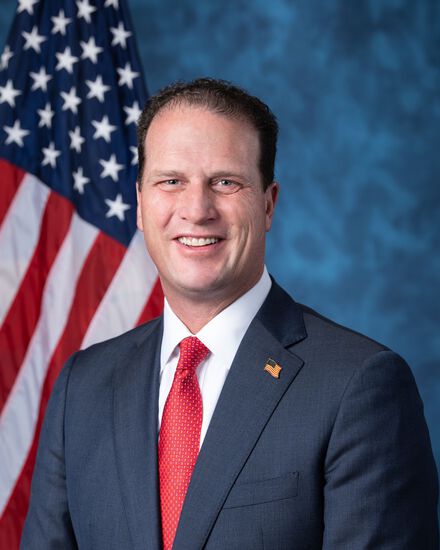
Rep. August Pfluger
Sponsored bills
Maddy summaryThe WINGS Act directs the Department of Veterans Affairs to conduct a long-term study on the brain and mental health impacts of military aviation, specifically focusing on high-performance flight and G-force exposure. It requires examining links between flight hours, G-forces, and conditions like traumatic brain injury, depression, PTSD, and neurodegenerative diseases among military aviators. The bill mandates creating a centralized, anonymized health registry for participating aviators to track flight exposure and health outcomes over time. This study must produce interim and final reports to Congress within one and three years of enactment, directly affecting current and former military pilots and aircrew who operated aircraft like fighter jets, trainers, or tiltrotors.
Maddy summaryHR 4398, the Veteran Burial Timeliness and Death Certificate Accountability Act, requires Veterans Affairs (VA) physicians or nurse practitioners to certify the death of a veteran who dies of natural causes within 48 hours of learning of the death. This directly affects veterans' families, who previously faced delays of up to eight weeks in burial and access to survivor benefits due to slow death certifications. The bill mandates annual reports to Congress on VA compliance with the 48-hour rule, including statistics on delays and their causes. The key change is establishing a strict timeline for death certification to prevent unnecessary delays in honoring veterans' final arrangements.
Maddy summaryThe GRACE for Military Survivors Act extends the deadline for contributing military death benefits to Roth IRAs and Coverdell education savings accounts from one year to three years. This change directly benefits families of service members who receive these death benefits, giving them more time to save for retirement or education. The law applies to benefits received after the bill is enacted and includes a special rule allowing contributions made within a specific window for benefits received between 2001 and the enactment date. By amending the Internal Revenue Code, the bill ensures that eligible funds can be deposited into these tax-advantaged accounts without losing their value due to time limits.
Maddy summaryThe Premium Transparency Act requires health insurers and Medicare Advantage organizations to publicly disclose how they spend premium revenue, specifically detailing the percentages allocated to claims, overhead costs, and retained profits. Starting in 2027, these companies must publish this data in a consumer-friendly format on their websites for each plan they offer, allowing individuals to compare financial transparency across different coverage options. Additionally, the bill mandates that the government issue standardized guidance by 2028 to ensure key plan details, such as deductibles, out-of-pocket limits, and specific care costs, are presented in plain English. A further provision updates online plan comparisons to include this new financial data beginning in 2029, aiming to help consumers make more informed decisions about their health insurance.
Maddy summaryThe Prior Authorization Accountability Act requires health insurance plans and issuers to publicly report detailed data on their prior authorization processes starting in 2027. This includes submitting information on approval and denial rates, appeal outcomes, processing times, and the specific use of artificial intelligence or other automated technologies in making coverage decisions. The bill mandates that these reports be available on public websites for both individual and group coverage, allowing consumers to compare how different plans handle requests for medical services. Additionally, the legislation updates the Affordable Care Act to ensure that health plans sold through insurance exchanges display this new transparency data to help shoppers make informed choices.
Maddy summaryThe Medicaid RAC Improvement Act of 2026 strengthens oversight of the Medicaid Recovery Audit Contractor program to better detect and recover incorrect payments. It requires the Centers for Medicare and Medicaid Services to establish clear communication rules for when state program exceptions expire and mandates detailed annual reports on audit results, including amounts recovered and underpayments. The bill also expands the program to include Medicaid managed care plans, requiring these organizations to allow audits of their claims and cooperate with recovery efforts. Additionally, the legislation directs the government to study barriers preventing states from participating in the program and to run a five-year demonstration project to increase state involvement. Finally, it clarifies that audits can review payments made up to four years prior to the current fiscal year.
Maddy summaryThis bill redesignates the existing National Parks and Public Land Legacy Restoration Fund as the America's Legacy Restoration Fund to address deferred maintenance on federal lands. It directs revenue from recreation fees and a portion of energy development income into the fund, which must be used primarily for repairing critical infrastructure like roads, trails, and buildings managed by agencies such as the National Park Service and the Forest Service. The legislation establishes strict rules requiring that most funds go toward non-transportation projects, mandates transparency through public dashboards tracking project status, and sets aside a small percentage for matching private donations. Additionally, the bill increases entrance fees for foreign visitors to ensure they contribute to the fund, while prohibiting the use of these specific funds for land acquisition or employee bonuses.
Maddy summaryThe Hydropower Licensing Affordability Act amends the Federal Power Act to modify how federal licenses for hydropower projects are issued. Specifically, it requires that license conditions include measures to reasonably mitigate direct adverse effects on federal reservations and fish populations within applicable river systems. These changes aim to ensure that new or existing hydropower projects address environmental impacts on protected lands and aquatic species before a license is granted. The bill directly affects hydropower project developers and federal agencies responsible for licensing and environmental oversight.
Maddy summaryThe Better Care, Better Cost Act requires states to consider how well managed care organizations perform when deciding which ones to assign Medicaid beneficiaries to. Starting in 2028, states must create a system to score these organizations based on factors like medical costs, hospital readmissions, emergency visits, and patient satisfaction. Additionally, states must publish annual reports showing how using these scores changes enrollment patterns and estimates savings. This law directly affects state Medicaid programs and the managed care companies that serve them by mandating performance-based decision-making.