

Maddy summaryThis bill redesignates the existing National Parks and Public Land Legacy Restoration Fund as the America's Legacy Restoration Fund to address deferred maintenance on federal lands. It directs revenue from recreation fees and a portion of energy development income into the fund, which must be used primarily for repairing critical infrastructure like roads, trails, and buildings managed by agencies such as the National Park Service and the Forest Service. The legislation establishes strict rules requiring that most funds go toward non-transportation projects, mandates transparency through public dashboards tracking project status, and sets aside a small percentage for matching private donations. Additionally, the bill increases entrance fees for foreign visitors to ensure they contribute to the fund, while prohibiting the use of these specific funds for land acquisition or employee bonuses.
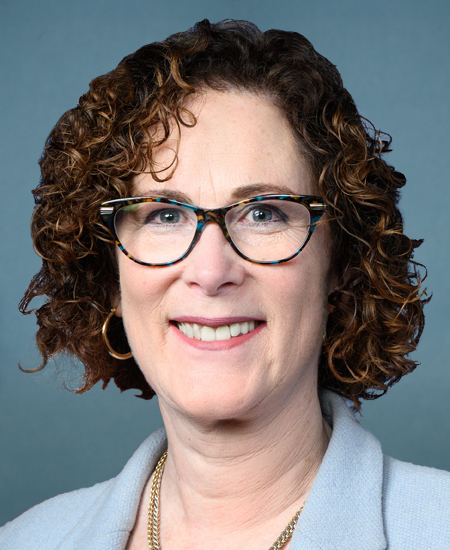
Rep. Val T. Hoyle
Sponsored bills
Maddy summaryThe Pell Grant Preservation and Expansion Act of 2026 aims to increase financial aid for college students by raising the maximum Pell Grant amount to $15,000 by the 2031-2032 award year and ensuring the program is fully funded through mandatory spending rather than annual appropriations. The bill also expands eligibility for students who receive means-tested government benefits by automatically assigning them a lower financial need score, while simultaneously allowing Dreamer students - undocumented immigrants who meet specific criteria such as graduating high school or serving in the military - to qualify for federal aid. Additional provisions restore the total number of semesters a student can receive Pell Grants from 12 to 18 and adjust the rules for satisfactory academic progress to reduce penalties for students who struggle to meet grade requirements. Finally, the legislation restores Pell Grant eligibility for some students who previously received outside scholarships and sets the law's effective date for July 1, 2026.
Maddy summaryThe Stop Spying Bosses Act establishes new federal rules to limit how employers collect, use, and share data about their employees and job applicants. This legislation directly affects private businesses with 11 or more workers, government agencies, and their employees by prohibiting the gathering of sensitive information such as biometric data, political views, or off-duty activities without a specific, disclosed business need. Key provisions require employers to clearly inform workers about what data is being collected and how it is used, grant employees the right to access and correct their personal records, and ban the sale of employee data to third parties. The bill also creates a new Worker Protection and Technology Division within the Department of Labor to oversee compliance and provides legal protections for workers who report violations, including the right to sue for damages and prohibiting forced arbitration for such disputes.
Maddy summaryThe Latonya Reeves Freedom Act of 2026 strengthens the Americans with Disabilities Act to ensure individuals with long-term service and support needs have a federally protected right to live in their communities rather than institutions. It requires states and insurance providers to offer community-based services that allow people to maintain independence, control their own care, and access affordable, integrated housing. The bill mandates that public entities and insurers create enforceable transition plans to move people out of institutions, conduct self-evaluations to identify barriers, and establish clear grievance procedures for resolving complaints. Enforcement is handled by the Department of Justice, which can investigate violations, while individuals may also file civil lawsuits to seek damages or court orders preventing institutionalization.
Maddy summaryThe Postsecondary Student Success Act of 2026 creates a competitive grant program to help colleges improve graduation rates for high-need students, including those from low-income backgrounds, first-generation families, and military-connected individuals. To receive funding between 2027 and 2032, eligible institutions must submit plans detailing how they will use evidence-based strategies, such as better advising, accelerated learning options, and improved transfer pathways, to support student retention and completion. The law requires that at least 20 percent of the available funds go to projects using the most rigorously tested methods and mandates that 2 percent be reserved specifically for Tribal Colleges and Universities. Additionally, the Department of Education must evaluate the effectiveness of these programs and report the results to Congress within 18 months of the bill's enactment.
Maddy summaryThe Keep Public Funds in Public Schools Act of 2026 eliminates a federal tax credit that allowed parents to deduct contributions to scholarship granting organizations from their income. By removing these specific tax breaks, the bill prevents the use of public tax dollars to support private school vouchers and scholarship programs. This change directly affects families who currently rely on these tax incentives to fund education outside the public school system. The provisions take effect for taxable years beginning after December 31, 2026.
Maddy summaryThe DASH Act aims to expand affordable housing options for low-income individuals, homeless persons, and first-time homebuyers by creating new federal programs and modifying existing tax laws. A primary component is the creation of 250,000 new rental vouchers in 2026 for people experiencing homelessness or at risk of homelessness, which includes funding for supportive services like healthcare and job training, as well as requirements for public housing agencies to prioritize youth and families. The bill also establishes a modular construction pilot program to lower building costs, a grant system to reward local governments that adopt zoning rules allowing denser housing like duplexes and accessory dwelling units, and a new tax credit to help low-income families purchase starter homes in distressed communities. Additionally, the legislation introduces a new refundable tax credit for first-time homebuyers, expands tax incentives for middle-income housing, and makes several adjustments to how homeowners can deduct losses or handle debt discharges related to their principal residences.
Maddy summaryThis bill, titled the Dignity and Due Process for Children Act of 2026, restricts how unaccompanied children under 18 are handled by immigration authorities in the United States. It requires immigration judges to issue an arrest warrant before detaining these children pending removal decisions and prohibits the use of military personnel or Department of Defense vehicles to transport them for deportation, except during declared natural disasters. Additionally, the law forbids government agencies from pressuring children to sign legal documents that affect their status without first ensuring they have confidential access to a lawyer, mandating legal referrals within five business days if a child does not already have one.
Maddy summaryThe Fair Day in Court for Kids Act of 2026 aims to improve the immigration court process for unaccompanied children by guaranteeing them government-funded legal representation. Under this bill, the Department of Health and Human Services would appoint lawyers for these children as soon as they enter federal custody, ensuring they have an attorney for every stage of their case, even if they turn 18 or are reunited with family while proceedings are pending. The law also requires that children receive copies of their immigration files at least seven days before a hearing and allows them to have a lawyer present during interviews and detention facility visits. Additionally, the bill mandates annual reports on how many children received counsel and establishes rules for pro bono legal services to support these efforts.
Maddy summaryThe Puerto Rico Democratic Self-Determination Act establishes a mandatory, two-round plebiscite in 2027 to allow eligible voters in Puerto Rico to choose among four political status options: independence, current Commonwealth status, statehood, or sovereignty in free association with the United States. If a majority vote is not achieved in the initial election, a runoff will be held to select between the two most popular choices, with the results triggering specific transition procedures for each outcome. Under the independence and free association paths, the bill outlines steps for drafting a new constitution, electing officers, and a presidential proclamation that would transfer sovereignty and end U.S. territorial control. For the statehood option, the President would issue a proclamation admitting Puerto Rico as the 51st state, while the Commonwealth option would create a joint commission to negotiate reforms to the current relationship. The legislation also details how federal laws, including tax codes and immigration rules, would change depending on the chosen status and ensures that existing economic benefits and social security rights are protected during any transition.