Maddy summaryThis House resolution formally supports the recognition of September 27, 2026, through October 3, 2026, as "Asian American and Native American Pacific Islander-Serving Institutions Week." The bill marks the 19th anniversary of Congress first authorizing funding for these specific colleges and universities in 2007. It highlights that these institutions enroll a significant majority of Asian American, Native Hawaiian, and Pacific Islander undergraduate students, many of whom are from low-income or first-generation college families. The resolution encourages these schools to continue securing resources and calls on the public to observe the week with events that demonstrate support for their educational mission.
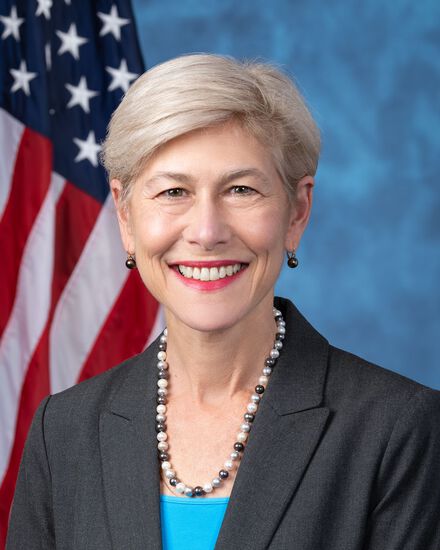
Rep. Deborah K. Ross
Sponsored bills
Maddy summaryThe Tropospheric Ozone Research Act of 2026 directs the Environmental Protection Agency to establish a competitive grant program for universities, national laboratories, and nonprofit research organizations. The program funds studies on how ground-level ozone affects global temperatures, regional heat stress, crop yields, and forest health, as well as improvements to monitoring infrastructure and climate models. Grantees must submit annual findings that are made public, and the agency is required to collaborate with international scientific bodies. After four years, the EPA must deliver a comprehensive report to Congress detailing current impacts, future scenarios, mitigation options, and policy recommendations. The bill authorizes $10.5 million annually for fiscal years 2027 through 2029 and an additional $1 million in 2030 specifically for the final report.
Maddy summaryThe Justice for Ukrainian Children Act directs the U.S. government to support efforts to locate and rescue Ukrainian children forcibly transferred by Russia, while imposing mandatory sanctions on foreign individuals who facilitate these transfers. The bill authorizes at least $15 million annually from fiscal years 2027 through 2032 to fund evidence collection, maintain a centralized database, and assist in the rehabilitation of affected children. It requires the President to block the assets and revoke the visas of any foreign person found to have knowingly participated in the abduction or indoctrination of Ukrainian minors, with limited exceptions for humanitarian aid and national security needs. Additionally, the legislation allocates $10 million annually to expand U.S. media broadcasting services in Ukraine and neighboring regions to counter disinformation.
Maddy summaryThe Reverse Big Ugly Tax Breaks for Data Centers Act removes specific tax incentives for large-scale data centers and artificial intelligence facilities. It excludes these facilities from bonus depreciation, a provision that currently allows businesses to deduct the full cost of certain equipment in the year it is purchased. Additionally, the bill prevents these properties from qualifying as opportunity zone business property, which would otherwise offer significant tax benefits for investments in designated areas. The legislation targets structures with a power capacity exceeding 50 megawatts that are dedicated to data storage, processing, or AI operations.
Maddy summaryThe Food for Thought Act of 2026 establishes a competitive grant program administered by the Department of Agriculture to provide free meals and snacks to low-income college students at eligible institutions, including community colleges, historically Black colleges and universities, and other minority-serving schools. To qualify, an institution must have at least 20 percent of its undergraduate students eligible for Federal Pell Grants, and grants are awarded for a maximum duration of two years with funds restricted to meal preparation, outreach, and limited equipment purchases. Recipients are required to prioritize students who receive Pell Grants or report food insecurity, while also evaluating institutional policies that may create barriers to enrollment and referring students to other federal benefit programs like SNAP. The bill authorizes appropriations for fiscal years 2027 through 2032 and mandates that the Secretary of Agriculture submit reports to Congress on the program's impact on student retention and completion rates.
Maddy summaryThe Nitrous Oxide Safety Act of 2026 would classify consumer products containing nitrous oxide as banned hazardous items under federal law, except for specific exceptions. The bill prohibits the sale of nitrous oxide products for recreational use while allowing continued sales for medical and dental treatments, food production in commercial kitchens, research and development activities, and food propellant applications. This legislation directly affects manufacturers, retailers, and consumers by restricting access to nitrous oxide in consumer products after 180 days from enactment. The law defines nitrous oxide as the gas known as laughing gas or whippits and specifies which entities and activities are exempt from the ban.
Maddy summaryThis bill would require Medicare to cover early detection screening tests for Alzheimer's disease and related dementias starting January 1, 2028. It defines eligible tests as FDA-cleared genomic blood tests, blood product analyses, or equivalent medical imaging methods (like protein expression or whole genome sequencing) that detect pre-symptomatic or early-stage conditions. Medicare beneficiaries would receive this coverage without cost-sharing for these specific screenings. The bill amends Medicare coverage rules to explicitly include these tests under Section 1861(nnn) of the Social Security Act.
Maddy summaryThis bill creates a 6-year Medicare pilot program providing medically tailored home-delivered meals and nutrition counseling to specific high-risk Medicare patients after hospital discharge. It targets individuals with diet-impacted conditions (like diabetes or heart failure) who live at home, have limited mobility, and are at high risk of hospital readmission. Selected hospitals must meet quality standards, screen patients using approved tools, and deliver at least two meals daily meeting nutritional needs while respecting cultural/religious dietary requirements, all without patient cost-sharing. The program requires hospitals to submit data for the Secretary to evaluate health outcomes, readmission rates, and cost savings compared to non-participants. Funding comes from the Medicare Hospital Insurance Trust Fund, offset by reductions to other hospital payments to maintain budget neutrality.
Maddy summaryHR 1266, the Combating Illicit Xylazine Act, adds xylazine - a veterinary sedative increasingly found in illicit drug mixtures - to Schedule III of the Controlled Substances Act, regulating its use and trafficking. It directly affects veterinarians, animal owners, and manufacturers by allowing xylazine to be legally dispensed for animal use under specific veterinary prescriptions, while prohibiting non-veterinary human use. The bill includes transition periods (60 days for practitioners, 1 year for labeling) to ease compliance for manufacturers and practitioners, and requires the DEA and FDA to expedite necessary applications. It also mandates two congressional reports on xylazine's illicit use and trafficking patterns, and directs the Sentencing Commission to review penalties for offenses involving xylazine.