

Maddy summaryHR 1266, the Combating Illicit Xylazine Act, adds xylazine - a veterinary sedative increasingly found in illicit drug mixtures - to Schedule III of the Controlled Substances Act, regulating its use and trafficking. It directly affects veterinarians, animal owners, and manufacturers by allowing xylazine to be legally dispensed for animal use under specific veterinary prescriptions, while prohibiting non-veterinary human use. The bill includes transition periods (60 days for practitioners, 1 year for labeling) to ease compliance for manufacturers and practitioners, and requires the DEA and FDA to expedite necessary applications. It also mandates two congressional reports on xylazine's illicit use and trafficking patterns, and directs the Sentencing Commission to review penalties for offenses involving xylazine.
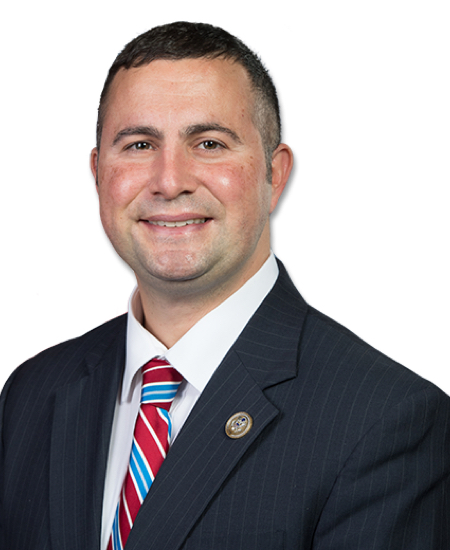
Rep. Darren Soto
Sponsored bills
Maddy summaryThis bill requires all new passenger vehicles manufactured for sale in the U.S. to include AM radio as standard equipment (not an optional add-on) by 2027-2028, depending on manufacturer size. It mandates that AM radio receivers must be easily accessible to drivers and allows compliance through digital AM broadcast technology. During a transition period, manufacturers must clearly label vehicles without AM radio but cannot charge extra for this feature. The bill also mandates a GAO study on AM radio's role in emergency alerts and includes a 10-year sunset provision for the rule. It preempts state laws regarding AM radio access in vehicles.
Maddy summaryThe Sinkhole Mapping Act of 2025 directs the U.S. Geological Survey (USGS) to study sinkhole causes - including extreme weather, drought, and water management shifts - and create updated risk maps showing areas prone to sinkholes. It requires the USGS to use specific 3D elevation data from existing law and maintain a public website with these maps for community planners and emergency managers. The maps must be reviewed and updated at least every five years. This bill directly affects local officials and emergency responders by providing accessible, science-based hazard information to inform land-use decisions and safety planning.
Maddy summaryThe Problem Solvers MAPS Act requires states to draw congressional districts that are contiguous, compact in shape, and nearly equal in population. It prohibits mapmakers from creating boundaries intended to advantage or disadvantage specific candidates, incumbents, or political parties. Additionally, the law mandates that state officials consider preserving existing political subdivisions like counties, cities, and tribal land boundaries when establishing new districts. These rules apply to any congressional district created on or after the date the act is signed into law.
Maddy summaryThe Problem Solvers TRUST Act would prohibit states from changing their U.S. House of Representatives district maps during the ten-year period following a census, unless a court orders new lines to comply with federal or state constitutional requirements. If such a court order is issued, the state must make changes that result in the smallest possible alteration to the existing map. The bill also sets a one-year deadline for filing legal challenges against a redistricting plan after it becomes law. These rules would apply to congressional redistricting occurring after the November 2032 federal elections and would not affect how states draw districts for local or state offices.
Maddy summaryThis bill, known as the Post-Disaster Protection Act, extends the time limit for appealing federal disaster assistance decisions from 60 to 90 days. It directly affects individuals and communities seeking aid after natural disasters by amending the Robert T. Stafford Disaster Relief and Emergency Assistance Act. The change provides applicants with additional time to contest decisions regarding their eligibility or the amount of assistance they receive. This adjustment aims to give affected parties more time to review and challenge assistance determinations without rushing the appeals process.
Maddy summaryThe SAFE for Manatees Act directs the Secretary of the Interior to conduct a study identifying potential new habitats for manatees in Florida as industrial sites are decommissioned and water temperatures change. This study must evaluate natural warm-water locations and explore methods for building artificial warm-water refuges in cooperation with the Army Corps of Engineers and Florida wildlife officials. The bill requires the Interior Department to publish a report on these findings within 180 days of enactment to inform future conservation efforts.
Maddy summaryThis bill amends the Fair Labor Standards Act to clarify that direct sellers and qualified real estate agents (as defined under IRS rules) are not considered "employees" under federal labor law. It directly affects these workers by excluding them from FLSA protections like minimum wage and overtime pay. The key provision inserts a new definition into the law, changing how these professions are classified for labor rights purposes. This is a technical definitional change, not a new policy or program.
Maddy summaryThis House resolution marks the 25th anniversary of the September 11, 2001 terrorist attacks by formally honoring the memory of the nearly 3,000 victims and recognizing the sacrifices made by first responders, military personnel, and the passengers of United Airlines Flight 93. The bill acknowledges the ongoing health challenges faced by survivors and responders, highlighting the role of the World Trade Center Health Program in providing long-term medical support. It also credits charitable organizations and community groups that have continued to assist victims' families and veterans over the past two decades. Finally, the resolution urges the American public to observe the anniversary with ceremonies and reaffirms Congress's commitment to remembering the events and lessons of that day.
Maddy summaryThe El Salvador TPS Act of 2026 requires the Secretary of Homeland Security to grant Temporary Protected Status (TPS) to individuals from El Salvador. This designation would remain in effect until a date 18 months after September 9, 2026. The bill directly affects eligible residents of El Salvador by providing them with legal protection and work authorization during this specified period.