

Maddy summarySB 1025 creates the Oklahoma Rebate Pass-Through and Pharmacy Benefits Manager Meaningful Transparency Act of 2025, requiring pharmacy benefits managers (PBMs) to disclose how much of drug rebates they retain rather than passing to health plans. It directly affects PBMs, health insurers, and health plans by mandating transparency around rebate calculations and requiring PBMs to pass through rebates to health plan clients. Key provisions include defining "aggregate retained rebate percentage," establishing cost-sharing rules, and creating penalties for noncompliance. The bill amends existing Oklahoma statutes to clarify PBM licensing, formulary requirements, and disclosure obligations, aiming to increase transparency in prescription drug pricing.
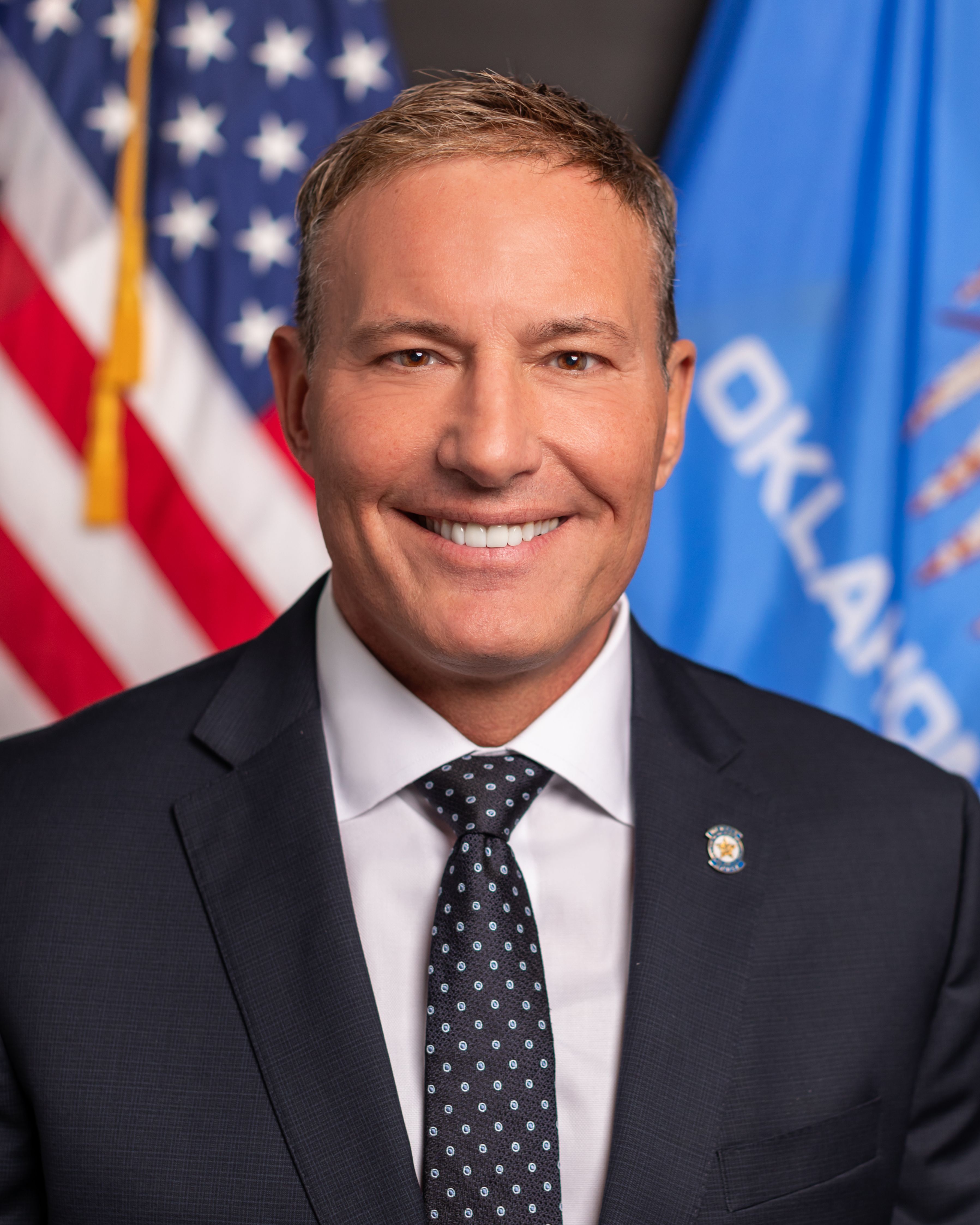
Rep. Steve Bashore
Sponsored bills
Maddy summaryHB 2133 modernizes Oklahoma's prescribing rules for healthcare providers and controlled substances. It allows pharmacists to fill non-controlled prescriptions from out-of-state advanced practice nurses or physician assistants (if licensed in their home state), but restricts out-of-state prescribers from writing prescriptions for controlled dangerous substances - only Oklahoma-licensed practitioners supervised by Oklahoma physicians can do this. The bill also requires medical facilities prescribing opioids, benzodiazepines, or similar drugs long-term to register with the state, and mandates detailed monthly reporting for manufacturers/distributors of controlled substances. These changes directly affect pharmacists, out-of-state healthcare providers, medical facilities, and drug manufacturers.
Maddy summaryHB 2133 updates Oklahoma's rules for prescribing and dispensing medications. It allows pharmacists to fill non-controlled prescriptions from out-of-state licensed doctors or nurses (if they're in good standing in their home state), but restricts controlled substance prescriptions to Oklahoma-licensed advanced practice nurses working under Oklahoma physicians. The bill also requires out-of-state suppliers of controlled drugs to register with Oklahoma's narcotics bureau and adds new monthly reporting requirements for manufacturers and distributors. These changes primarily affect pharmacists, out-of-state prescribers, and drug manufacturers operating in Oklahoma.
Maddy summaryHB 1023 modifies Oklahoma's vehicle excise tax calculation by requiring the taxable value to be the actual sales price before trade-in discounts, but not exceeding 20% above the average retail price from official automotive references. It mandates that bills of sale include the sales price, number of tires, and tire rim sizes. Service Oklahoma must report the tax's fiscal impact annually starting November 2026. The bill directly affects vehicle buyers, sellers, and Service Oklahoma, effective November 2025.
Maddy summaryHB 1123 deletes Oklahoma's State Broadband Grant Program Revolving Fund, which previously provided dedicated funding for broadband expansion grants. The bill eliminates this special fund in the state treasury, redirecting how grant programs are financed. This change directly affects the Oklahoma Broadband Office and future grant recipients by removing a specific funding source for expanding high-speed internet access in unserved and underserved areas. The bill also modifies the Broadband Governing Board's structure but focuses primarily on ending the revolving fund mechanism. It becomes effective November 1, 2025.
Maddy summaryHB 1123 modifies Oklahoma's broadband funding structure by deleting the "State Broadband Grant Program Revolving Fund" and shifting grant program funding to administrative expenses from applicable federal programs. The bill establishes a Broadband Governing Board (with a 2028 termination date) to oversee the Oklahoma Broadband Office, approve grant programs, and manage the Statewide Broadband Plan. It requires grant recipients to provide service as promised and includes clawback provisions for non-compliance, but eliminates the revolving fund previously used to finance grants. This directly affects broadband grant applicants, the Oklahoma Broadband Office, and state funding mechanisms for expanding rural internet access. The bill takes effect November 1, 2025.
Maddy summaryThis bill changes how Oklahoma calculates vehicle excise tax by requiring sellers to list the actual sales price (before trade-in discounts), tire count, and tire rim size on the bill of sale. It also mandates that the sales price must fall within 20% of the average retail value from Service Oklahoma’s automotive guides. These changes apply to all vehicle sales and transfers of ownership in Oklahoma. Additionally, Service Oklahoma must report the tax’s fiscal impact to state officials by November 1, 2026.
Maddy summarySB 102 updates the legal definitions used to classify and process bills related to Oklahoma police and firefighter pension systems. The legislation clarifies what counts as a "nonfiscal amendment" by detailing specific scenarios, such as one-time benefit increases tied to the system's funded ratio or changes to disability standards, that do not permanently alter the system's long-term costs. By refining these definitions, the bill aims to streamline how the legislature evaluates the financial impact of proposed changes to retirement benefits and contributions. This procedural update applies to future legislative actions regarding the Oklahoma Police Pension and Retirement System and the Oklahoma Firefighters Pension and Retirement System.