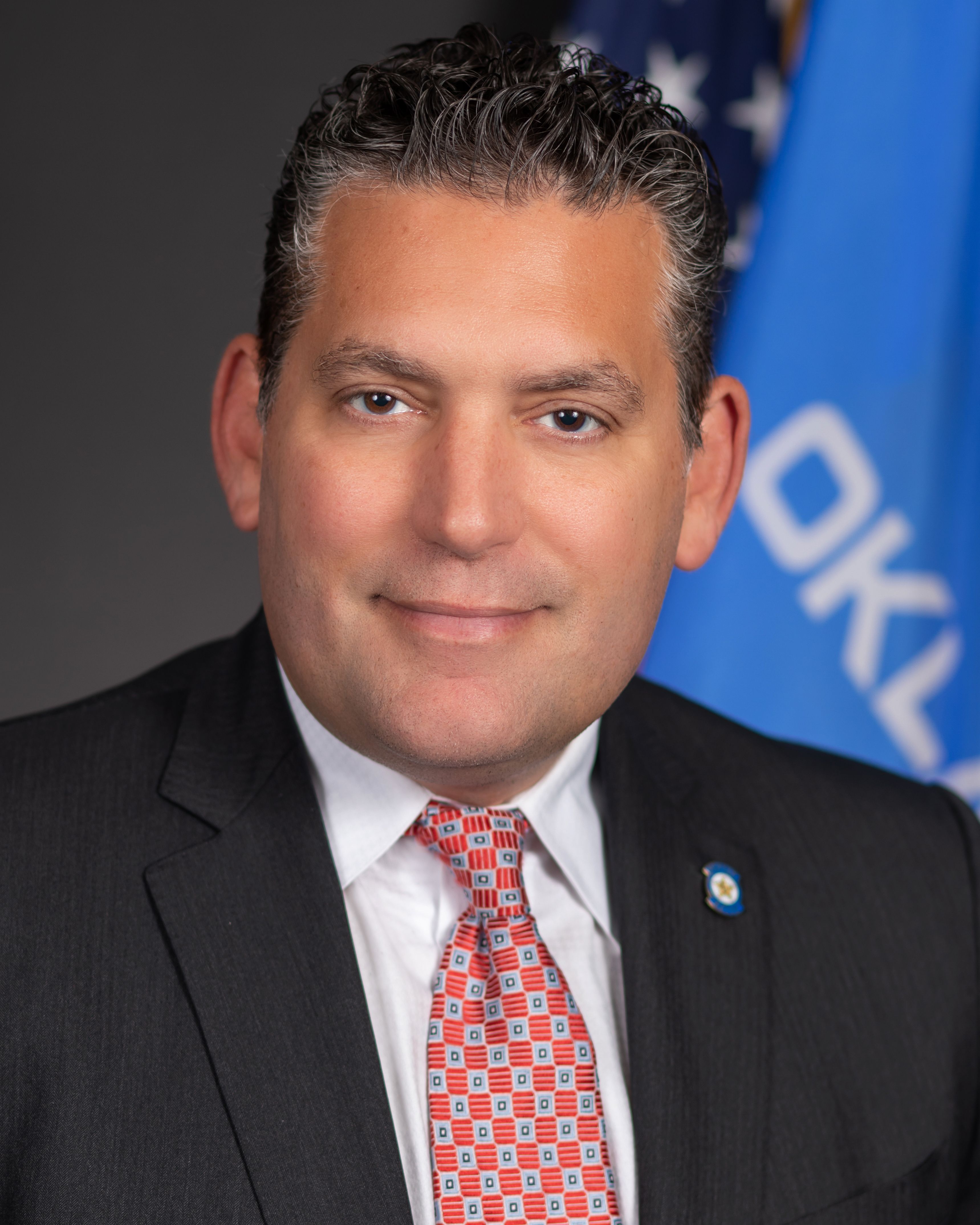
Photo of Mark Tedford
R Oklahoma House · District 69

Rep. Mark Tedford

Compare
Total votes
4,348
all sessions
Attendance
73%
1,012 missed
Lower than 91% of chamber peers
With party
97%
of cast votes
Higher than 83% of chamber peers
Bipartisan score
2%
crosses aisle rarely
Lower than 77% of chamber peers
Sponsored
145
bills & resolutions
Higher than 86% of chamber peers
Committees
5
assignments
145 bills and resolutions

Sponsored bills

Total
145
Primary
145
Co-sponsor
0
This page
145
matching current filters
Primary HB 3047
Passed · Oklahoma House · Lead sponsor
State government; reports; Legislative Office of Fiscal Transparency; procedures; effective date.

Maddy summaryHB 3047 requires Oklahoma state agencies to file all statutorily mandated reports electronically with the Legislative Office of Fiscal Transparency (LOFT) instead of on paper. LOFT must create an online filing system, maintain a public index of all required reports with their status, and notify the Legislature when reports are available. Agencies may submit printed copies only if they provide a written explanation for why electronic filing isn't possible. The bill takes effect July 1, 2026, and is classified as an emergency measure. (This procedural bill directly affects state agencies and LOFT, with no direct impact on citizens or businesses.)

Passed Apr 22, 2026 0 co-sponsors
Primary HB 3048
Passed · Oklahoma House · Lead sponsor
Insurance; Unauthorized Insurers and Surplus Lines Insurance Act; surplus lines insurer; brokers; producers; agents; repealer; effective date.

Maddy summaryHB 3048 amends Oklahoma's insurance laws to clarify rules for surplus lines insurance (coverage from insurers not licensed in Oklahoma). It defines key terms like "home state" (determined by business headquarters or premium allocation) and requires surplus lines brokers to be licensed in the insured's home state, not Oklahoma. The bill updates procedures for purchasing coverage, removes outdated requirements for licensees, and specifies that nonadmitted insurers must provide clear policy notices to insureds. These changes primarily affect insurance brokers, agents, and businesses purchasing specialized coverage outside standard insurance channels.

Passed Apr 21, 2026 0 co-sponsors
Primary HB 3057
Passed · Oklahoma House · Lead sponsor
State government; state agencies; obsolete reports; repealers; effective date.

Maddy summaryHB 3057 is a procedural bill establishing a centralized system for filing certain reports in Oklahoma. It requires state agencies to submit specific reports through a single, designated electronic portal instead of individual department systems. The bill takes effect November 1, 2026, and does not change substantive policy or directly affect citizens or businesses. It is purely administrative, creating a new filing process without altering report content or requirements.

Passed Apr 16, 2026 0 co-sponsors
Primary HB 3045
Passed · Oklahoma House · Lead sponsor
Motor vehicles; prohibiting the charging of certain fee for accident response by certain entities; effective date.

Maddy summaryHB 3045 prohibits entities from charging fees for responding to or investigating motor vehicle accidents by law enforcement, fire departments, or municipalities. It specifically defines "accident response fee" as a charge for these services, excluding fees already authorized by law. The bill affects private companies or local entities that might impose such fees during accident response. It takes effect November 1, 2026, and does not impact existing legally permitted fees.

Passed Apr 1, 2026 0 co-sponsors
Primary HB 1161
Passed · Oklahoma House · Lead sponsor
Insurance; health benefit plans; insurance committees; impact analysis; Legislative Service Bureau; Oklahoma Insurance Department; report; effective date.

Maddy summaryHB 1161 requires an impact analysis for any bill that would mandate changes to health benefit plans in Oklahoma, such as new coverage requirements or administrative rules. The Oklahoma Insurance Department must analyze the social impact (public health, affected groups, access to care), medical efficacy (scientific evidence), and financial impact (premiums, insurer costs) within 60 days. The Legislative Service Bureau must refer such bills to the Department, but can only submit up to five referrals annually without special approval. This bill affects health insurance plans, insurers, and state lawmakers by adding a mandatory review step before legislation impacting health coverage can advance. It takes effect November 1, 2025.

Passed Apr 1, 2026 0 co-sponsors
Primary SB 1625
In committee · Oklahoma Senate · Lead sponsor
Insurance; requiring certain legislation to directed to Legislative Service Bureau; directing Legislative Service Bureau to submit legislation to Insurance Department; allowing Department to contract with third-parties; requiring public access to certain reports. Effective date.

Maddy summarySB 1625 requires the Oklahoma Insurance Department to conduct a detailed impact analysis for any new law that would mandate changes to health insurance coverage (like adding specific treatments or requiring prior authorization). The analysis must evaluate social impact (public health benefits and affected populations), medical effectiveness (scientific evidence), and financial effects (premium changes and market stability) before such bills can be voted on. The department may hire outside experts for this analysis and must make the reports publicly available online. The bill takes effect November 1, 2026.

In committee Mar 24, 2026 0 co-sponsors
Primary SB 1096
In committee · Oklahoma Senate · Lead sponsor
Health benefit plan legislation; prohibiting certain legislation. Effective date.

Maddy summarySB 1096 requires the Oklahoma Insurance Department to conduct impact analyses on health insurance mandate bills before they can be voted on. It affects health insurers, healthcare providers, and state-funded programs by mandating a review of proposed coverage requirements (like new treatments or administrative rules). The analysis, conducted by a third-party vendor, must evaluate social impact (who is affected and access to care), medical effectiveness, and financial costs (premiums, insurer expenses, market stability). Bills with mandates cannot advance without this attached analysis, effective November 1, 2025.

In committee Mar 23, 2026 0 co-sponsors
Primary SB 1708
In committee · Oklahoma Senate · Lead sponsor
Child custody; creating a rebuttable presumption of joint child custody; creating a rebuttable presumption of sole custody if a parent is subject to certain registrations. Effective date.

Maddy summarySB 1708 creates a legal presumption that joint custody is in the best interest of a child for Oklahoma courts to consider in custody disputes involving minor children. Parents must submit detailed custody plans covering living arrangements, child support, medical care, and school placement, which courts can approve or modify if they serve the child’s best interests. The bill includes strong exceptions: courts must prioritize child and victim safety in cases of child abuse, domestic violence, stalking, or harassment, treating these as primary factors that can override the joint custody presumption. This directly affects parents navigating divorce or custody cases in Oklahoma, requiring structured planning while ensuring safety concerns are legally prioritized.

In committee Mar 17, 2026 0 co-sponsors
Primary SB 2166
In committee · Oklahoma Senate · Lead sponsor
Damages; prohibiting certain damages exceeding a certain amount. Effective date.

Maddy summaryThis bill limits medical damages in Oklahoma personal injury cases to actual payments made by plaintiffs or their insurers, not the higher amounts billed by providers. It requires health care providers to submit signed statements confirming they accept the actual payment amount as full settlement, or use Medicare reimbursement rates as a standard when no payment was made. The law applies to both past medical bills and future treatment costs, directly affecting plaintiffs, health care providers (like hospitals and doctors), and health insurance plans. It aims to reduce inflated medical billing in lawsuits by making only verified payments or standard rates admissible as evidence.

In committee Mar 16, 2026 0 co-sponsors
Primary SB 1913
In committee · Oklahoma Senate · Lead sponsor
Insurance; establishing provisions of dispute resolution system; establishing requirements for insurer to engage in mediation; prohibiting cancelation of certain policy; creating the Homeowners Claims Bill of Rights. Effective date.

Maddy summarySB 1913 establishes a mandatory mediation process for specific insurance disputes between policyholders and insurers in Oklahoma. It requires insurers to participate in mediation for residential/commercial property, home, or auto insurance claims that haven't yet entered civil court, after first being processed through the Insurance Department's complaint program. The bill mandates good-faith negotiation, allows policyholders to rescind settlements within 3 business days (if unrepresented), and makes signed settlements binding. Insurers violating these provisions face a $100 civil penalty. This directly affects policyholders filing eligible claims and insurers handling those disputes.

In committee Mar 10, 2026 0 co-sponsors
Showing 11 to 20 of 145 bills