Maddy summaryThis Oklahoma joint resolution approves proposed permanent administrative rules from six state education agencies before February 1, 2026. The bill directly affects the State Department of Education, Office of Educational Quality and Accountability, State Regents for Higher Education, Teachers' Retirement System, Statewide Charter School Board, and Department of Career and Technology Education. By approving these rules, the Legislature allows the agencies to implement their proposed regulations without further legislative review. The resolution also directs the Secretary of State to send copies to the Governor and the editor of The Oklahoma Register for official publication.
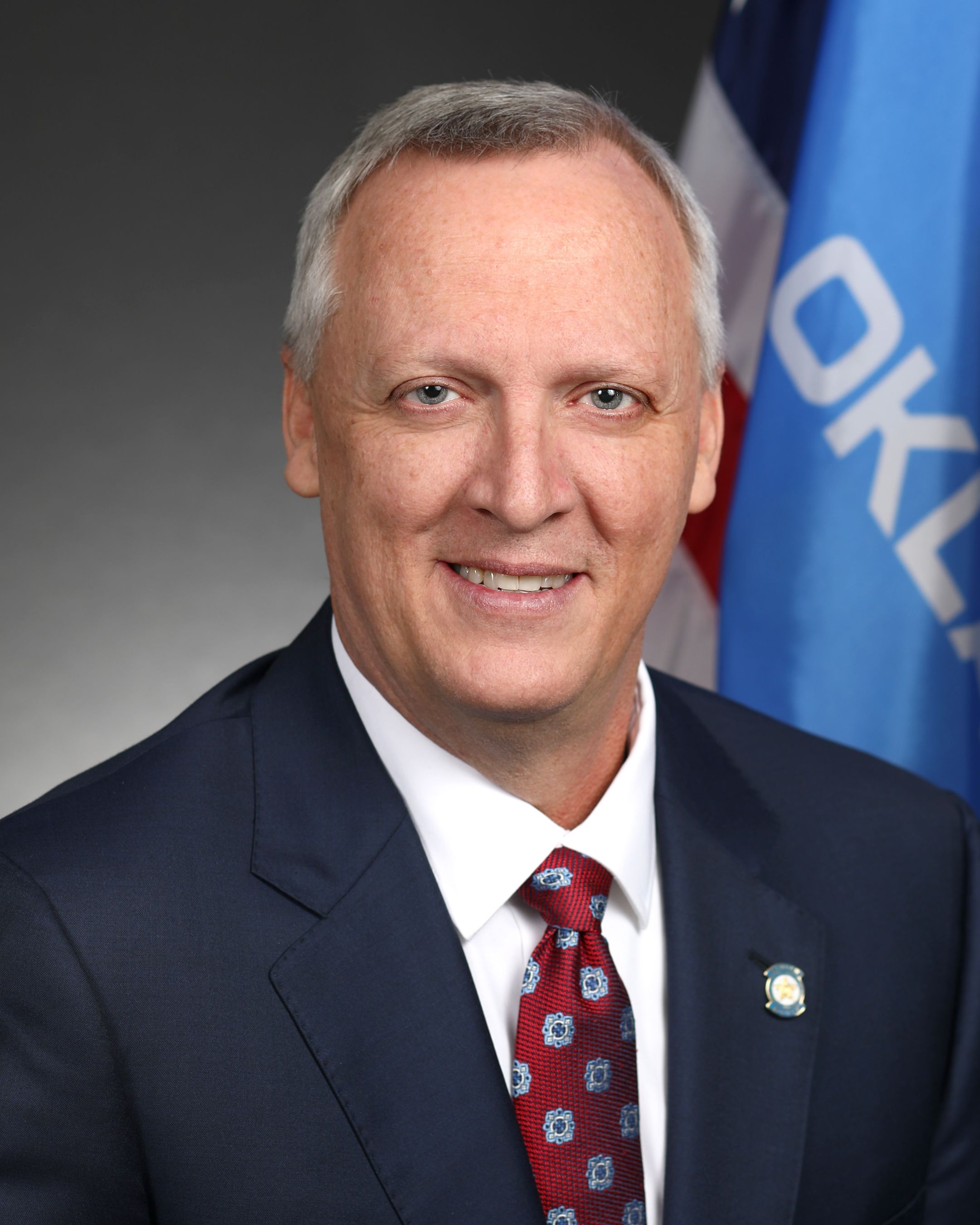
Rep. Gerrid Kendrix
Sponsored bills
Maddy summaryHB 3004 extends the expiration date of Oklahoma's Board of Examiners in Optometry from July 1, 2026, to July 1, 2027, ensuring the board continues operating under the state's Sunset Law without automatic termination. The board, which regulates optometrists' licensing and practice standards in Oklahoma, must maintain four licensed optometrists with five years of in-state practice experience and one lay member appointed by the Governor. This bill does not alter the board's duties or licensing requirements but delays its sunset to provide continuity. It becomes effective July 1, 2026, with an emergency clause allowing immediate implementation.
Maddy summarySB 1461 extends the sunset date for the Oklahoma Educational Television Authority (OETV) from July 1, 2026, to July 1, 2036, ensuring its continued operation under the Oklahoma Sunset Law. The bill amends Section 23-105 of the Oklahoma Statutes to update this expiration date while maintaining the Authority's existing structure and governance rules. This procedural change directly affects the OETV, allowing it to continue managing educational television services without interruption. The bill takes effect July 1, 2026, and includes an emergency declaration for immediate implementation.
Maddy summaryHB 3000 recreates Oklahoma's State Board of Cosmetology and Barbering until July 1, 2027, extending its operation beyond a previous sunset date. The bill specifies that the 11-member board must include one member from each congressional district (with adjustments for redistricting), plus at-large appointments, and requires members to have specific professional experience in cosmetology or barbering, or represent schools or the public. It mandates qualifications like minimum age, high school graduation, and active practice in the field, while prohibiting conflicts of interest (e.g., members cannot be from the same school or promote professional associations). This bill maintains the board's structure and oversight role for cosmetology and barbering licensing without introducing new regulations for practitioners.
Maddy summaryHB 4322 amends Oklahoma's Funeral Services Licensing Act to require that individuals designated as "funeral director in charge" of a funeral establishment, commercial embalming establishment, or crematory must hold dual licenses as both a funeral director and an embalmer. This change directly affects managers of these facilities, mandating they meet qualifications for both roles instead of only one. The bill updates licensing requirements in Section 396.3, specifying that dual licensure is now necessary for the "in charge" position, while still allowing separate licenses for funeral directors who do not perform embalming. The policy focuses on standardizing qualifications for leadership roles in the funeral services industry.
Maddy summaryHB 4316 removes a barrier preventing certain pre-1988 corporations from organizing as rural water districts under Oklahoma's Rural Water, Sewer, Gas and Solid Waste Management Districts Act. Specifically, it amends Section 1324.31 to allow corporations formed before December 1, 1988, to establish districts while still complying with the Act's requirements. The bill declares an emergency to take immediate effect upon passage, bypassing standard waiting periods. This change directly affects existing pre-1988 corporations seeking to form water districts, enabling them to operate under the same statutory framework as newer entities.
Maddy summaryThis bill approves specific rule changes proposed by the Oklahoma Medical Marijuana Authority regarding the state's medical cannabis program. By passing this resolution, the legislature officially adopts these new regulations, which will guide how medical marijuana is distributed and managed. The Oklahoma Secretary of State is tasked with sending a copy of the approved rules to the Governor and the official state register. This action formalizes the authority's operational guidelines without altering the underlying laws governing medical marijuana use.
Maddy summaryHB 3003 extends the expiration date of Oklahoma's Board of Chiropractic Examiners from July 1, 2026, to July 1, 2027, ensuring the board continues operating under the Oklahoma Sunset Law. The bill maintains the board's structure - comprising eight chiropractic physicians (appointed by district) and one public member - with specific qualifications and appointment rules. It directly affects chiropractors licensed to practice in Oklahoma by preserving the existing regulatory framework for their profession. The extension takes effect July 1, 2026, with no changes to the board's duties or chiropractic practice standards.
Maddy summaryHB 4317 updates Oklahoma's education requirements for individuals seeking Certified Public Accountant (CPA) certification. Starting November 1, 2026, applicants must hold a bachelor's degree or higher and complete either: (1) 24 accounting credit hours above introductory level (including one auditing course) plus 9 credit hours in business/economics subjects, or (2) 24 accounting hours plus 24 business/economics credit hours. This bill directly affects future CPA candidates in Oklahoma by raising educational standards for entry into the profession. The changes apply to those applying for certification after the 2026 effective date, with the current 120-hour requirement phasing out.
Maddy summarySB 1455 extends the sunset date for Oklahoma's Board of Governors of Architects, Landscape Architects and Licensed Interior Designers from July 1, 2026, to July 1, 2036, ensuring the board continues operating under the Oklahoma Sunset Law. The bill updates the statutory language to reflect this extended timeline but does not change the board's composition (11 members including licensed professionals and a lay member), appointment process, or regulatory authority. It directly affects the professions regulated by this board and the board members themselves, maintaining existing governance structures. The bill takes effect July 1, 2026, and declares an emergency for immediate implementation.