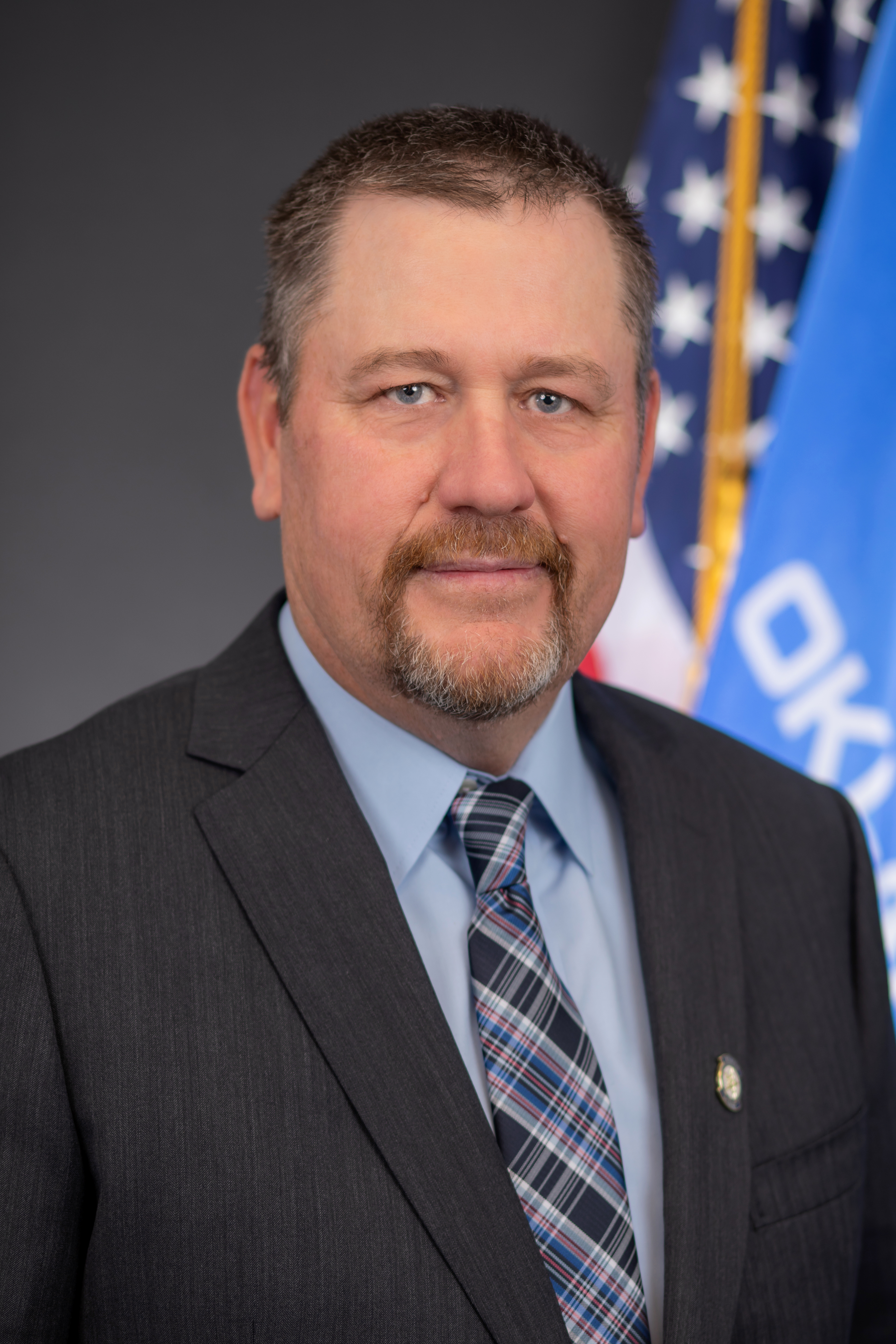
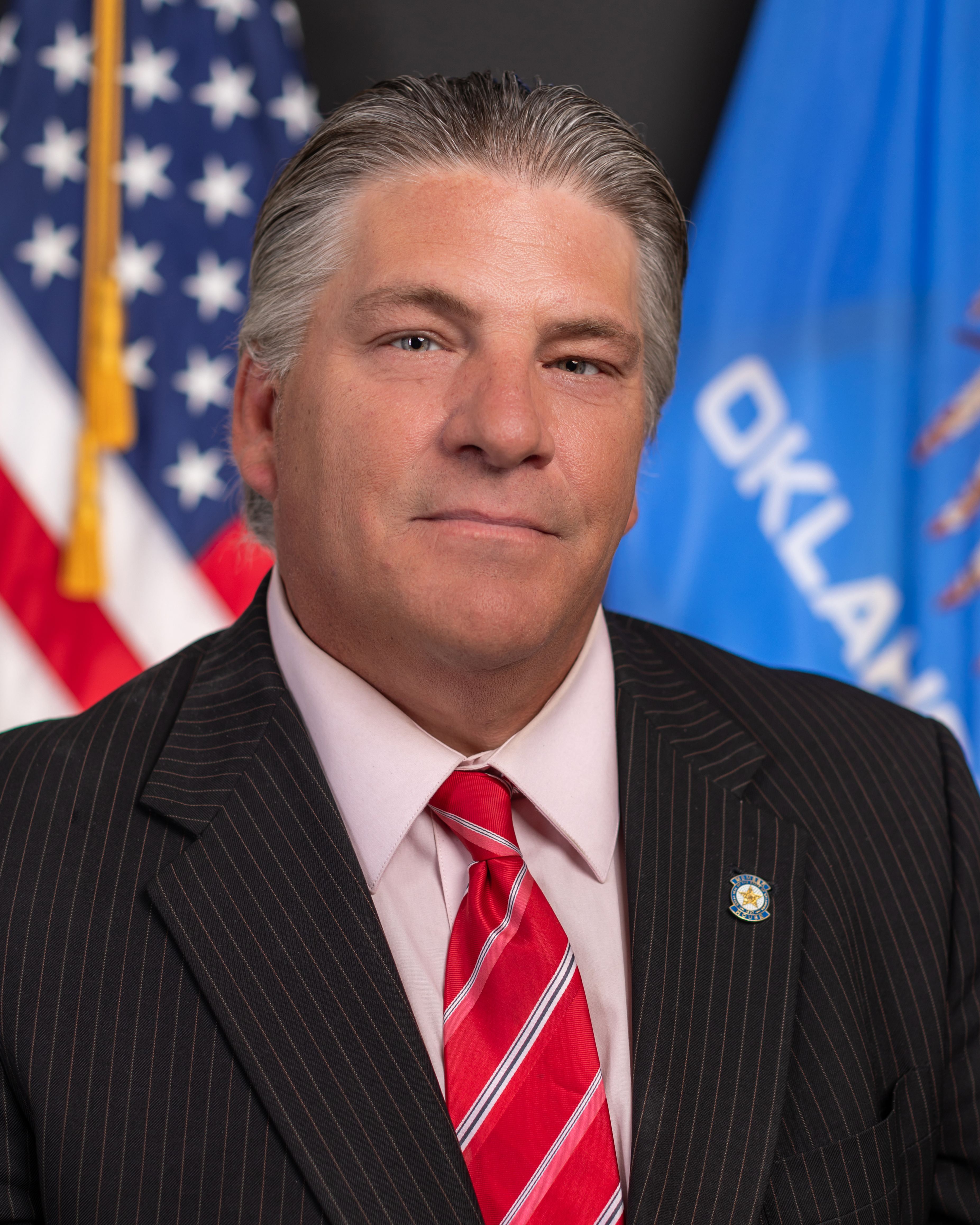
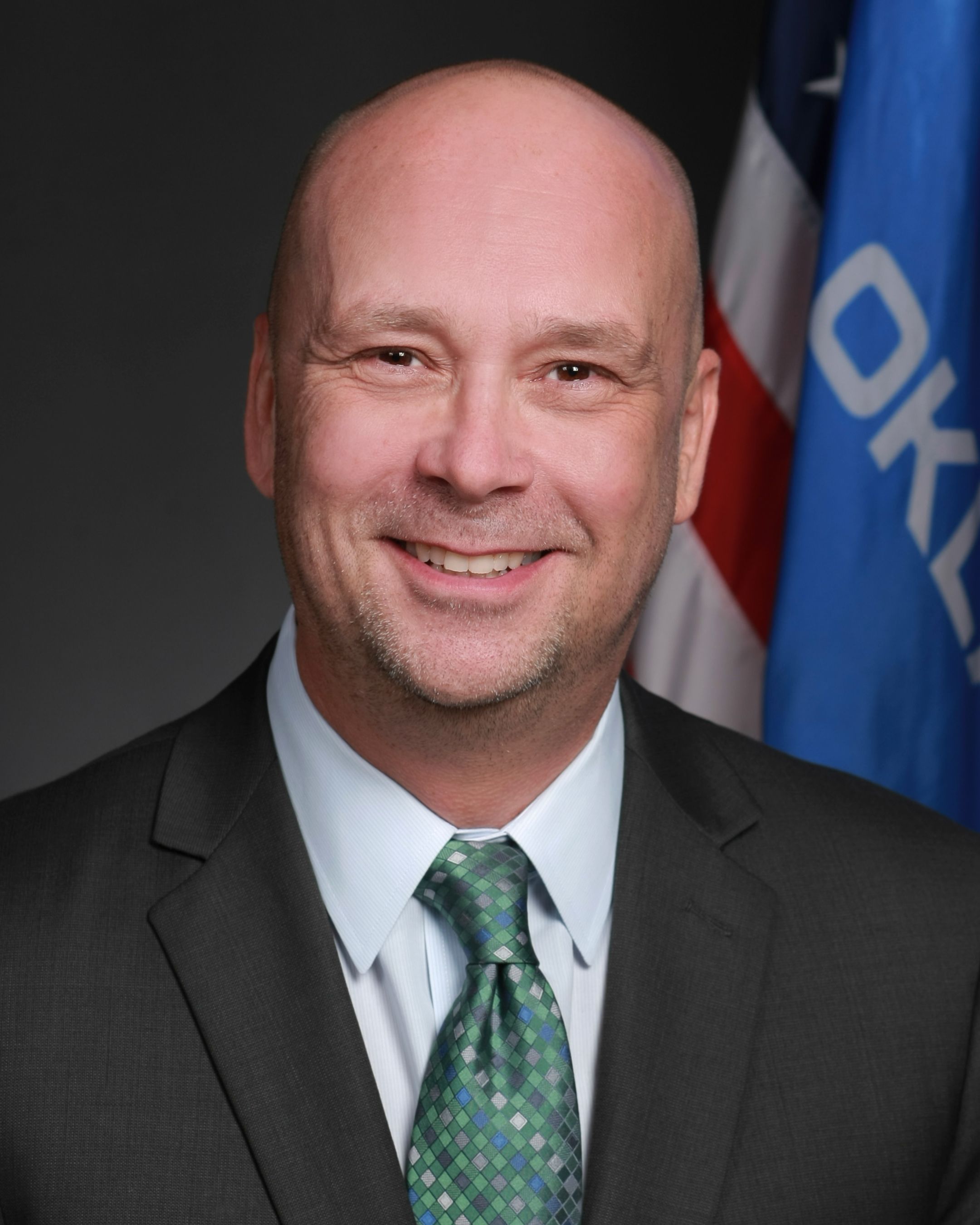
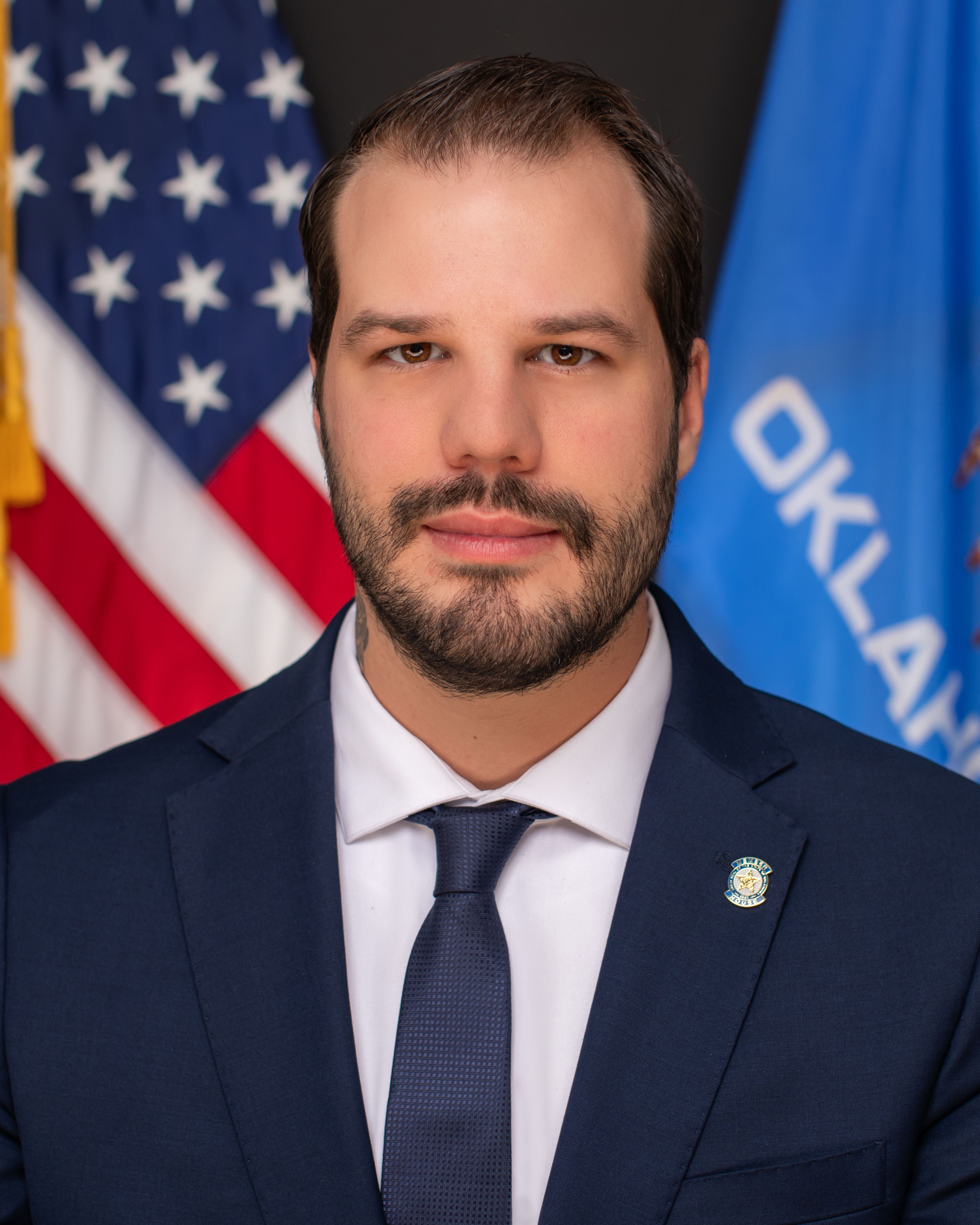
Key legislators
Who's moving veterans in Oklahoma
Showing 4 of 4
bills
All veterans bills
HB 4301 requires escrow and title companies to return earnest money to qualified U.S. veterans or active duty military members if a property appraises for less than the contract price. Companies that fail to comply face a $500 civil penalty per violation, with the funds added to the Attorney General's Law Enforcement Revolving Fund. The bill enforces a federal rule (38 C.F.R. § 36.4303(k)) and takes effect July 1, 2026. It directly affects veterans, active duty military members purchasing property, and the entities handling their escrow payments.
HB 2769 amends Oklahoma's military code to update the Oklahoma National Guard's structure and personnel rules. It requires the Adjutant General to have at least 8 years of Oklahoma National Guard service (previously 3 years) and sets their pay at Major General level. The bill creates the Oklahoma National Guard CareerTech Assistance Program, which provides education funding through a revolving fund for eligible Guard members pursuing career-focused training. It also adjusts nonjudicial punishment procedures, clarifies Adjutant General authority, and modifies eligibility for retirement benefits. The law directly affects Oklahoma National Guard members, leadership, and administrative staff.
HB 2048, the "340B Nondiscrimination Act," prohibits health insurers, pharmacy benefits managers (PBMs), and third-party payors from discriminating against healthcare providers participating in the federal 340B drug discount program. It specifically bans lower reimbursement rates for 340B drugs, extra fees or administrative burdens for 340B entities, exclusion from provider networks based on 340B status, and requirements to disclose 340B-specific billing details. The law applies to all 340B entities - such as community health centers and hospitals participating in the federal program - and ensures they receive equal treatment in billing, reimbursement, and network access. Enforcement is handled by the Attorney General, with the Oklahoma Medicaid program excluded from these provisions.
SB 814 expands access to emergency absentee ballots for military service members deployed during active duty. It allows these voters to request ballots after the standard deadline by submitting a written request with valid ID to their county election office. Ballots must be returned in person or by mail by 7:00 p.m. on election day, following the same processing rules as other emergency absentee ballots. Signed into law on May 5, 2025, this amendment to Oklahoma’s election code (26 O.S. § 14-115.6) specifically adds uniformed-service members to the existing eligibility category that previously covered first responders during emergencies.