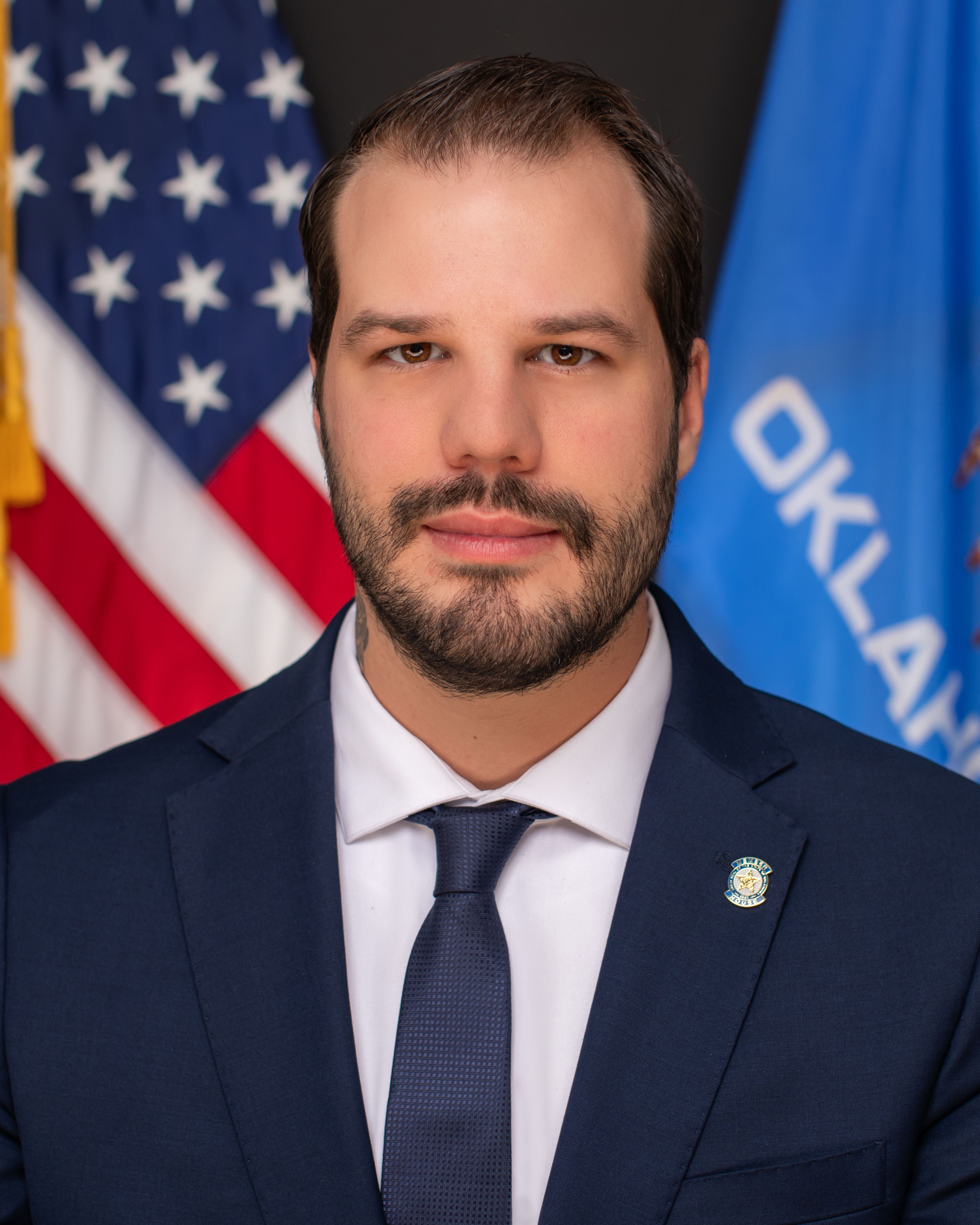
SB 675 permits the Oklahoma Department of Public Safety to share vehicle registration information from the state's law enforcement data network with the Oklahoma Turnpike Authority. This sharing is explicitly limited to supporting toll collection for vehicles identified by the Turnpike Authority's video toll system. The bill amends existing law to clarify this specific data-sharing authorization. The provision becomes effective November 1, 2025.
SB 402 directs Service Oklahoma to create specific rules governing commercial driver training programs. This bill directly affects commercial driving schools and training providers in Oklahoma that must comply with these new regulations. The key provision requires Service Oklahoma to establish clear standards for training curricula, instructor qualifications, and program oversight. As an emergency measure, the rules would take effect quickly upon passage to address current gaps in driver training oversight.
SB 358 requires railroad operators on Oklahoma’s "main lines" (routes handling over 5 million tons of annual traffic) to install and maintain infrared hot bearings detectors every 10 miles along those tracks. These detectors identify overheating train components like bearings, axles, or wheels to prevent safety hazards. Violations carry fines of $1,000 to $5,000, enforceable by the Oklahoma Department of Public Safety. The law, effective November 1, 2025, applies specifically to commercial freight rail operations, excluding tourist or scenic lines.
SB 836 modifies Oklahoma's highway land acquisition law by adding a 30-day deadline for landowners to file exceptions to condemnation appraisals and requiring courts to send notice of appeal deadlines within 10 days. The bill directly affects landowners whose property is being taken for state highways and the Oklahoma Department of Transportation. Key provisions include setting strict time limits for legal challenges to condemnation awards and clarifying procedures for jury trials or appeals regarding compensation. This is a procedural change focused on streamlining the eminent domain process for highway projects.
SB 487 requires Service Oklahoma to create specific rules for driver education instructors. It updates qualifications to include moral character, physical condition, and knowledge of traffic laws, while also mandating new rules for instructors teaching students who use modified vehicles due to disabilities. The bill directly affects driver education instructors and students with mobility needs. Service Oklahoma must develop these rules in coordination with the Department of Public Safety and the State Department of Rehabilitation Services. This is a procedural policy change focused on standardizing instructor requirements and accessibility.
SB 67 creates a dedicated "Rebuilding Oklahoma Access and Driver Safety Fund" to finance road and bridge projects, requiring annual state funding that increases from $575 million in 2021 to $1 billion by 2033. The fund must first cover transportation debt payments before funding other projects, with strict rules preventing it from replacing existing state transportation budgets. The Oklahoma Department of Transportation manages these funds, and the State Board of Equalization must annually verify that the fund enhances - not supplants - state transportation spending. This bill ensures predictable, growing funding for infrastructure while protecting existing state transportation resources.
SB 168 requires Oklahoma state agencies to purchase iron, steel, and aluminum made entirely in the U.S. for public construction projects exceeding $100,000, including buildings, roads, and infrastructure. It defines "made in the U.S." as requiring all manufacturing processes and components to originate domestically. Agencies may seek exemptions if materials aren't available domestically, would increase costs by over 25%, or conflict with public interest, with a 7-day public comment period for appeals. This applies to all state procurement contracts for public works but excludes projects covered by reciprocal trade agreements.
SB 359 requires Service Oklahoma to check National Highway Traffic Safety Administration data during vehicle registration or renewal to identify safety-related recalls needing repairs. It mandates that Service Oklahoma send written notices to vehicle owners about these open recalls, including descriptions and information about free repairs at manufacturer-approved dealers. The bill excludes recalls related to owner manuals or buyback offers, and explicitly states that manufacturers and dealers remain liable for repairs. Service Oklahoma staff providing these notices are protected from liability, except in cases of gross negligence. This affects all Oklahoma vehicle owners whose registrations are processed through Service Oklahoma.