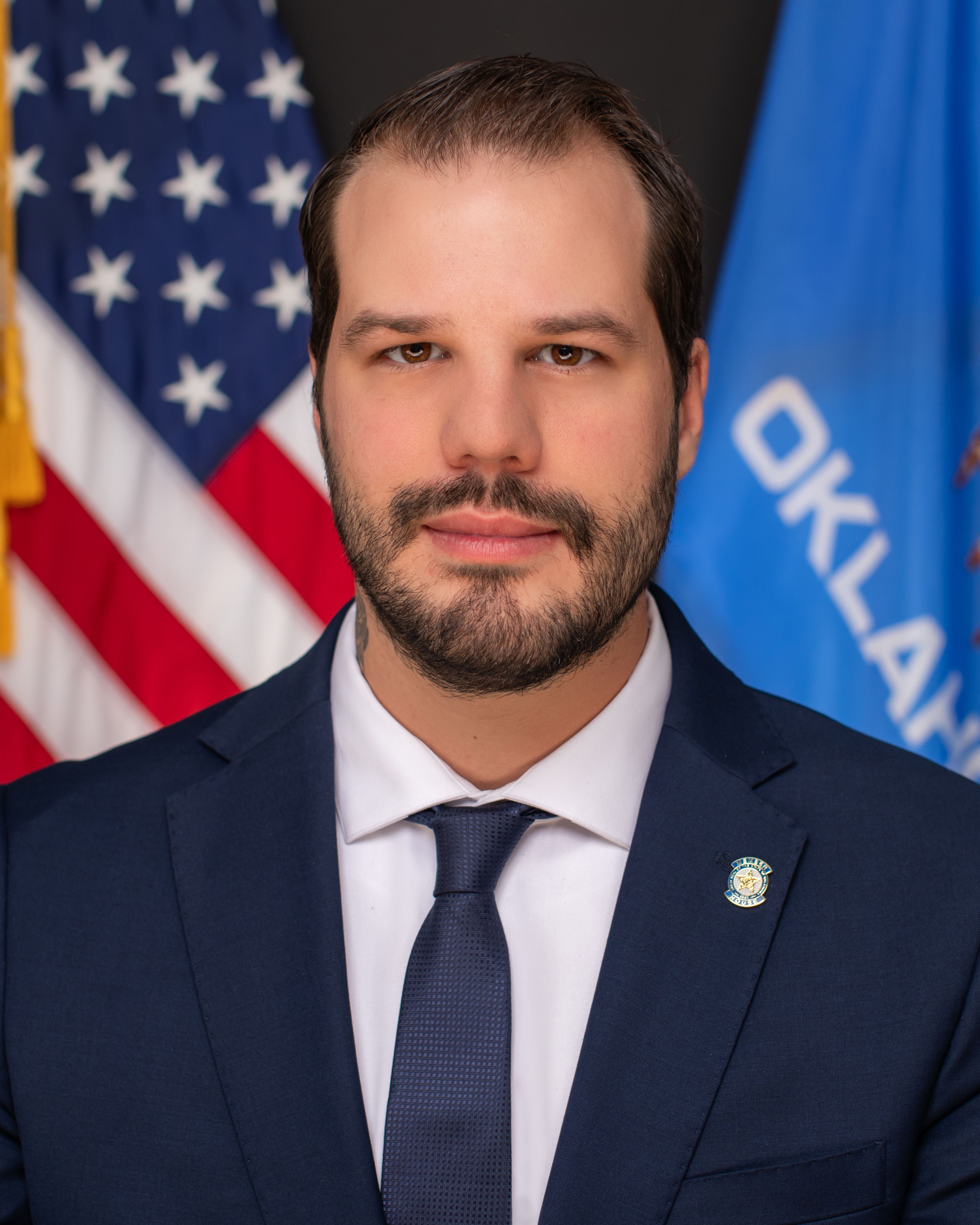
HB 3297 requires highway remediation and cleanup companies operating in Oklahoma to maintain $3 million in liability insurance with pollution coverage, including completed operations coverage. It mandates these companies publish a clear, annual price list online for their top 50 frequently billed services, including standard charges and surcharges. The bill also establishes a lien system allowing companies to claim payment for nonconsensual roadside cleanup services, requiring written notice within 10 days and formal filing within 30 days to enforce the lien. Additionally, it amends towing fee rules to align with existing Corporation Commission rate structures for wrecker services.
HB 1957 requires street-legal low-speed electric vehicles and golf carts to be registered as motor vehicles in Oklahoma. It removes the need for an "M" license endorsement for operators (who must be at least 16 with a standard driver’s license) and mandates compliance with federal safety standards for vehicles operated on roads with speed limits ≤35 mph. Service Oklahoma can register converted golf carts meeting federal safety rules without requiring a full 17-digit vehicle identification number. The bill takes effect November 1, 2025, and does not override local city restrictions on low-speed vehicle use.
HB 2997 increases the maximum administrative fine for used motor vehicle license applicants who knowingly make false statements from $1,000 to $10,000. It directly affects individuals and businesses applying for or holding motor vehicle sales licenses in Oklahoma. The bill amends Section 585D of Oklahoma Statutes to raise this fine limit, while maintaining existing $100 maximum fines for dealer violations like failing to deliver title documents. The change takes effect November 1, 2026.
HB 3405 designates poison hemlock and kudzu as noxious weeds in Oklahoma, requiring all landowners (public and private) to treat or remove these plants annually to prevent seeding. It mandates county entities and the Department of Transportation to manage infestations in rights-of-way, with landowners facing fines up to $1,000 per day for noncompliance. The bill requires the State Department of Agriculture to conduct annual surveys of infestations, report results to Oklahoma State University, and publish public notices in newspapers about landowner responsibilities. The law takes effect November 1, 2026, and includes provisions for landowners to request assistance with weed removal.
HB 1427 creates tax credits for Oklahoma taxpayers who invest in qualifying clean-burning motor vehicle fuel equipment. It directly affects vehicle owners and businesses that install or purchase equipment allowing vehicles to run on compressed natural gas, hydrogen, liquefied natural gas, or liquefied petroleum gas. The bill provides tiered credits: up to $5,500 for light vehicles (under 6,000 lbs), up to $100,000 for heavy trucks (over 26,500 lbs), and 45% of costs for commercial refueling stations. Credits are limited to new, certified equipment meeting safety standards and must be claimed against state income tax. Unused credits can be carried forward for up to five years.
HB 2758 creates the "Preserving and Advancing County Transportation Fund" (PACT Fund) to allocate oil and gas tax revenues directly to Oklahoma counties for road and bridge maintenance. The fund prioritizes counties with the lowest current road maintenance funding, directing two-thirds of its money to help all counties reach a $4,000 per road mile target for highway upkeep. The remaining one-third is split equally between funding road miles based on statewide totals and allocating funds for county bridges using the most recent ODOT bridge inventory data. This bill directly affects all Oklahoma counties by providing a dedicated, ongoing source of funding for their local road and bridge systems.
HB 2263 prohibits using cellular telephones or electronic devices while driving on specific road segments, directly affecting drivers who use phones in those areas. The bill removes the previous exception for zones where workers are present and changes the effective date to November 1, 2025 (from July 1, 2026). It establishes penalties for violations and allows municipalities to enforce stricter local ordinances. The law applies to all road segments designated under the bill, not limited to construction zones.
HB 2772 creates the "Rebuilding Oklahoma Access and Driver Safety Fund" to provide dedicated state funding for transportation infrastructure. It mandates annual apportionments totaling $575 million for fiscal year 2021, increasing to $610 million annually starting in 2025, with $80 million allocated each year specifically for debt payments on transportation bonds before other uses. The fund must be used exclusively for constructing/maintaining state roads, bridges, highways, and related infrastructure - prohibited from replacing existing transportation funding - and requires annual oversight by the State Board of Equalization to prevent fund "supplanting." Additional smaller allocations ($2 million for the Heartland Flyer rail project and $3 million for public transit) are also specified within the funding structure. The bill became law on May 29, 2025, without the Governor's signature.
This bill allocates $10.8 million from Oklahoma's Progressing Rural Economic Prosperity Fund to three specific projects. It provides $5 million for a municipal park in a county exceeding 750,000 residents (per 2020 Census) north of I-344 and west of I-35, $4 million to relocate a naval submarine east of Highway 165 and north of Highway 62, and $1.8 million for infrastructure improvements at an industrial park south of Highway 62 and east of Highway 283. The funding is directed to these precise locations as defined in the bill. The bill became law without the Governor's signature on May 29, 2025.
SB 1150 appropriates $100,000 from the General Revenue Fund to the Oklahoma Department of Transportation for fiscal year 2026 to cover existing legal duties of the department. The bill directly affects the Department of Transportation by providing funding for its ongoing operations. It declares an emergency to take effect immediately upon enactment, bypassing the normal legislative timeline. The bill became law on May 29, 2025, without the Governor's signature.