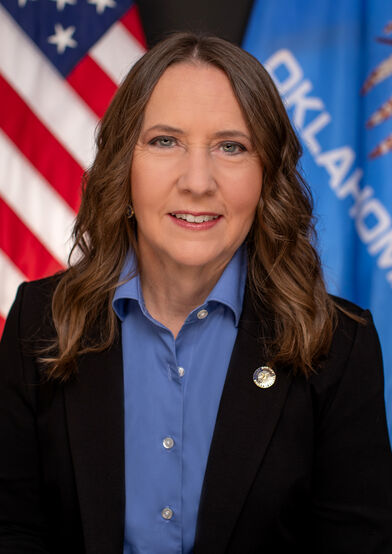
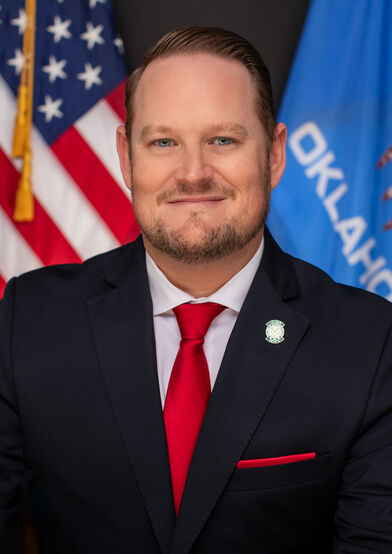
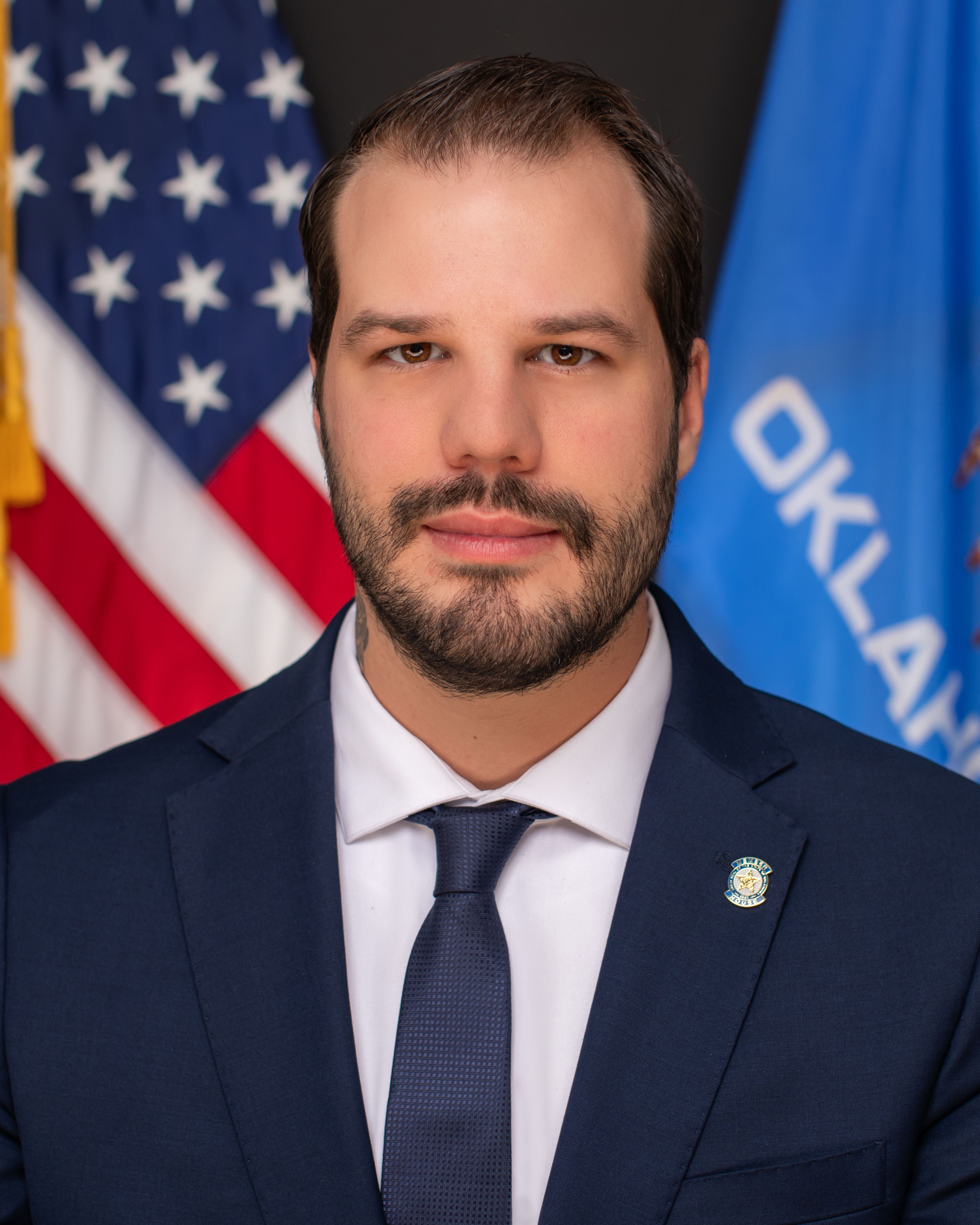
Key legislators
Who's moving technology in Oklahoma
Showing 31–34 of 34
bills
All technology bills
HB 1147 prohibits any individual, corporation, organization, or government entity from constructing, operating, or maintaining facilities designed to capture or store carbon dioxide directly from the atmosphere in Oklahoma. This bill directly affects companies or projects developing carbon capture technology that targets atmospheric CO2, banning such activities statewide. Violations are classified as endangering citizens, subjecting violators to penalties outlined in Oklahoma Statutes Section 2-3-504. The law takes effect on November 1, 2025.
HB 1123 deletes Oklahoma's State Broadband Grant Program Revolving Fund, which previously provided dedicated funding for broadband expansion grants. The bill eliminates this special fund in the state treasury, redirecting how grant programs are financed. This change directly affects the Oklahoma Broadband Office and future grant recipients by removing a specific funding source for expanding high-speed internet access in unserved and underserved areas. The bill also modifies the Broadband Governing Board's structure but focuses primarily on ending the revolving fund mechanism. It becomes effective November 1, 2025.
SB 1122 requires Oklahoma's State Board of Equalization to assess property used for **wired broadband service** (offering internet over 100 Mbps download/20 Mbps upload) at a **15% tax rate** for tax years 2026-2036. It applies only to infrastructure in areas with **less than 10% broadband coverage** (per FCC maps) and exclusively to property used for broadband, excluding other services like video streaming. The bill amends tax code to define "broadband service providers" and mandates this specific assessment ratio for qualifying assets, including fiber, cables, and network infrastructure. This policy directly affects **wired broadband providers** expanding service in underserved rural or low-coverage regions.
SB 885, the Safe Screens for Kids Act, requires social media platforms to obtain parental consent before minors under 18 in Oklahoma can create accounts, verify user ages, and grant parents full access to their children’s accounts and activity. The bill prohibits platforms from collecting data from minors (except de-identified data), showing targeted ads to minors, using algorithms to personalize content based on minors’ behavior, or designing features that encourage excessive use or exploit psychological vulnerabilities. It also bans platforms from using minors’ data for advertising or personalization and allows Oklahoma’s Attorney General to enforce compliance through civil actions. The law takes effect November 1, 2025, directly impacting social media companies operating in Oklahoma and their minor users.