Issue · Technology

Technology (Artificial Intelligence)

Every technology bill, vote, and legislator stance in Oklahoma, automatically classified by Maddy, our AI policy reader.

Total bills
20
2026 Regular Session
Top supporter
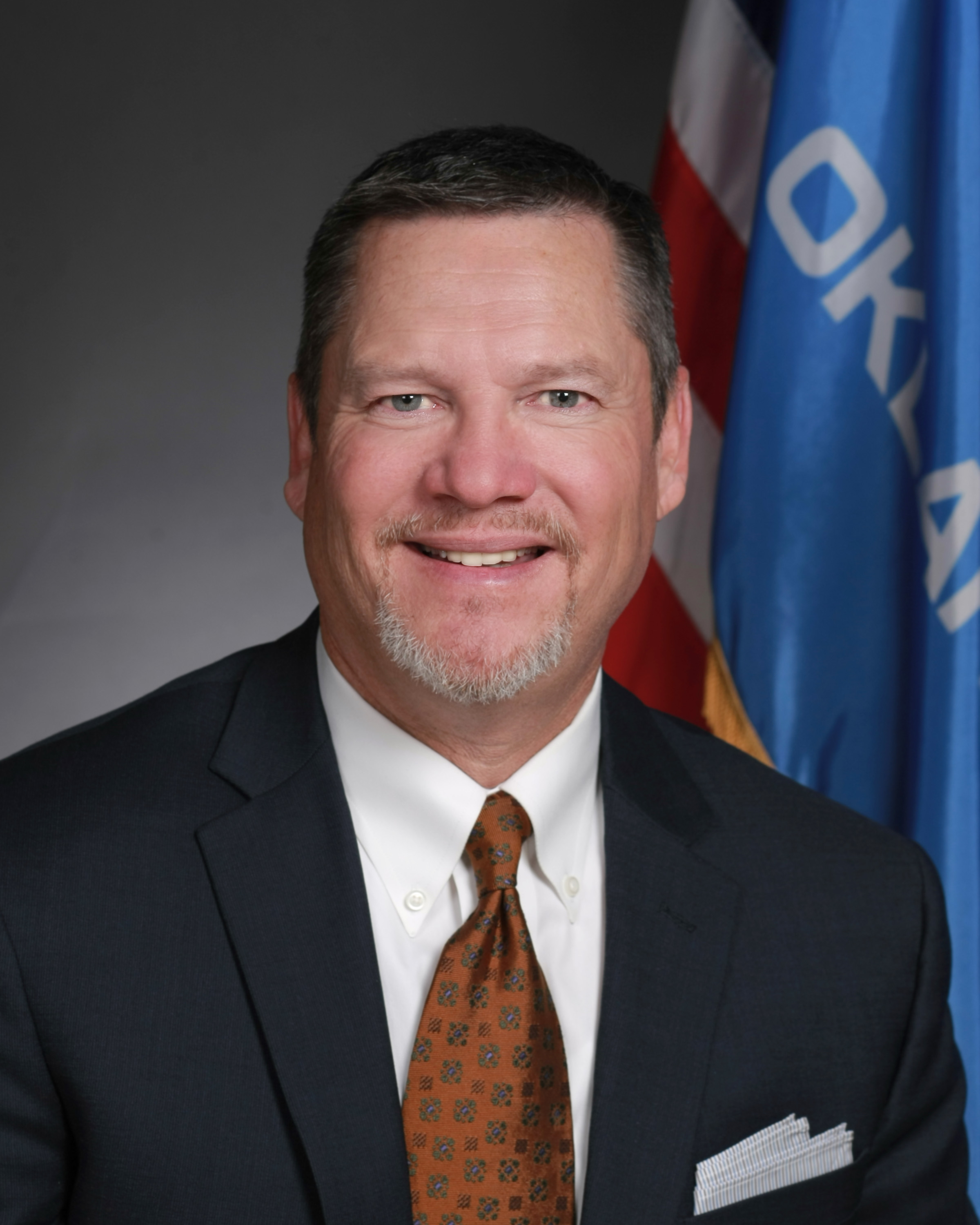
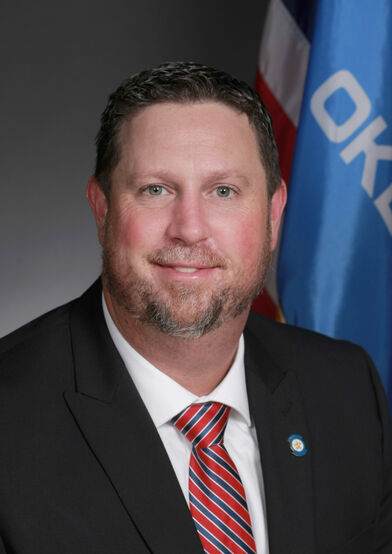
Chuck Hall
100% support rate
Top opponent
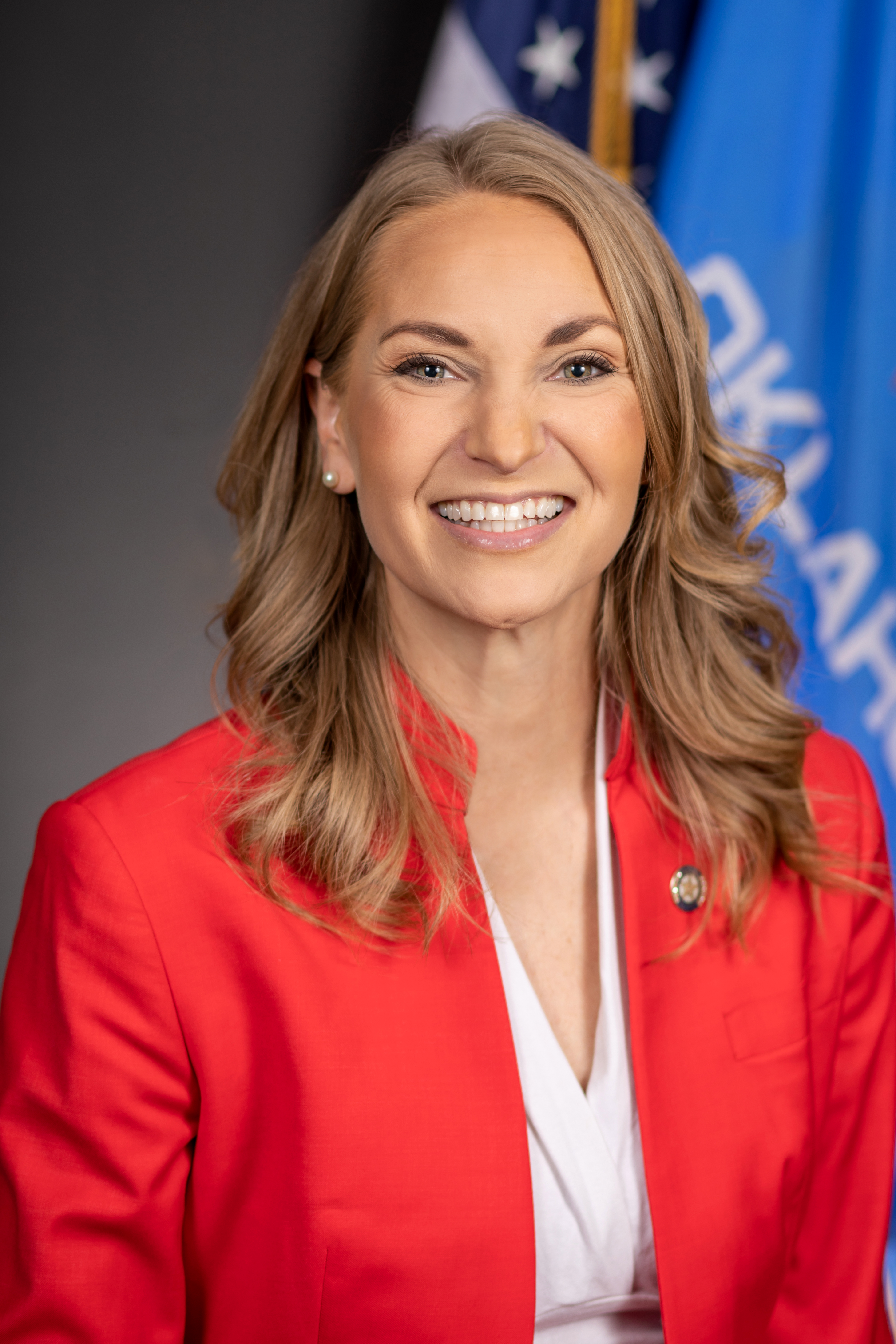
Carri Hicks
0% support rate
Ranked legislators
8
5 support · 3 oppose
Key legislators

Who's moving artificial intelligence in Oklahoma

Legislators moving artificial intelligence in Oklahoma
Legislator Party Stance Support rate Votes
Chuck Hall
Chuck Hall Senate · District 20
R
Strong +
100% 4
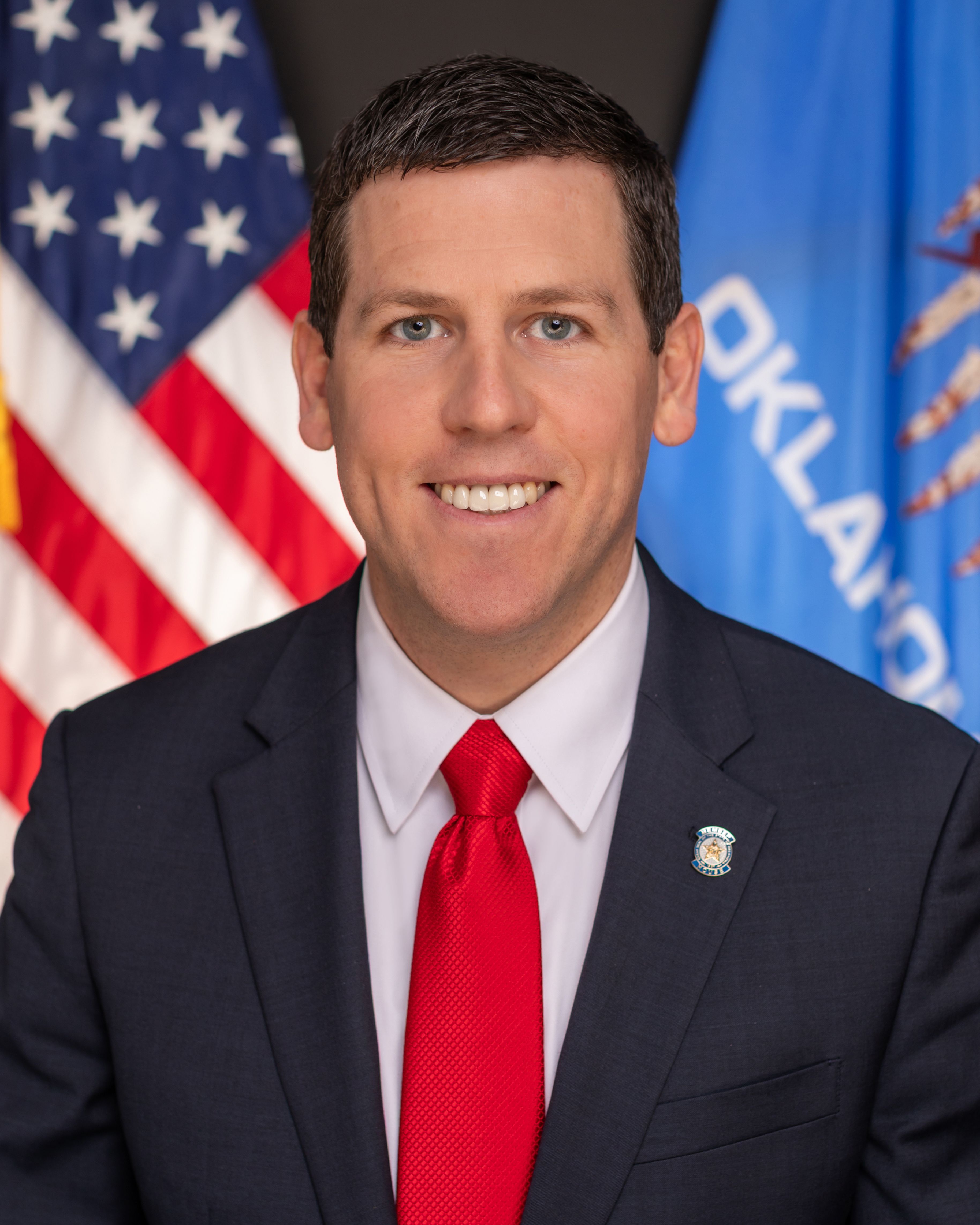
Rob Hall
Rob Hall House · District 67
R
Strong +
100% 4
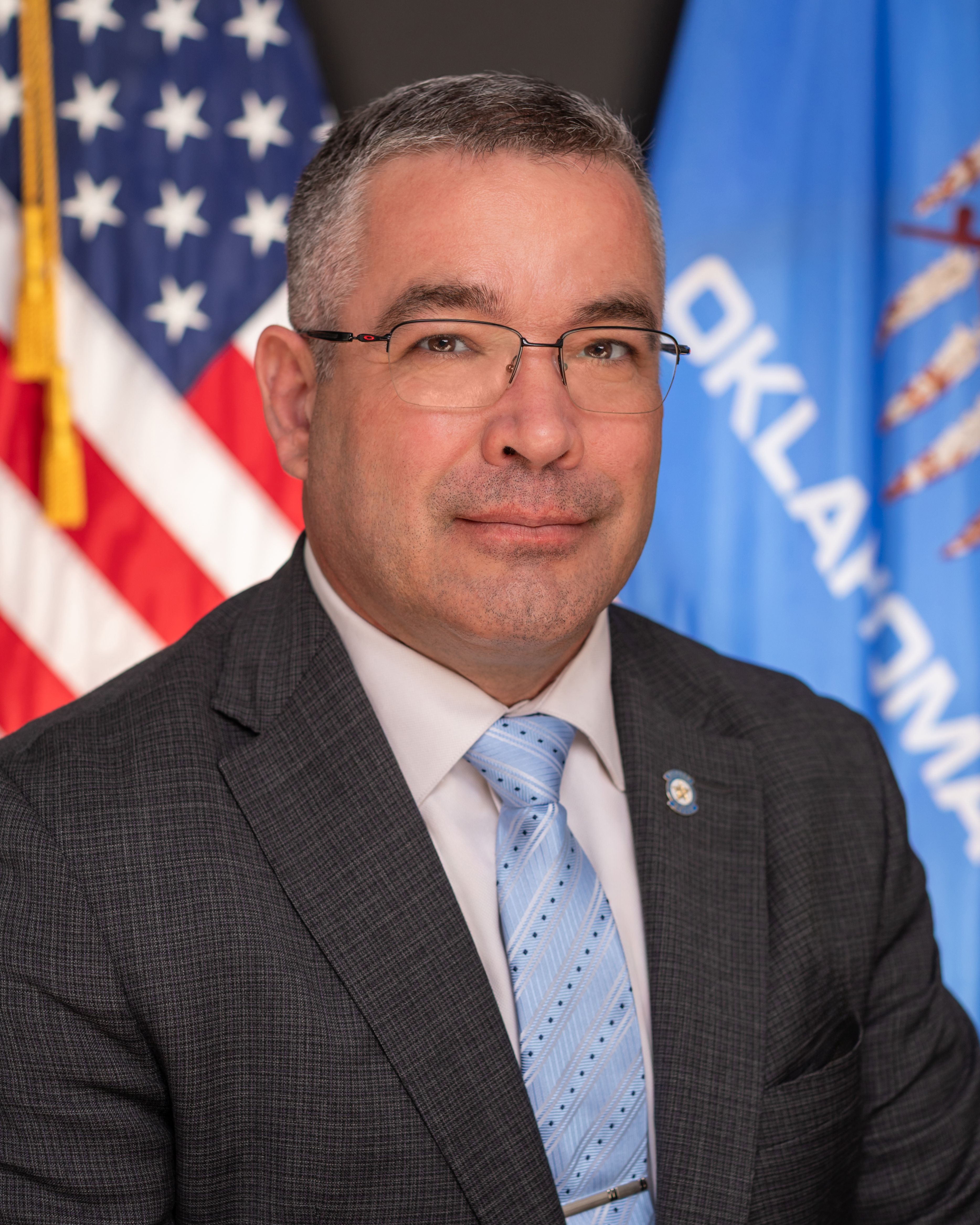
Chris Banning
Chris Banning House · District 24
R
Strong +
100% 3
Christi Gillespie
Christi Gillespie Senate · District 33
R
Strong +
100% 3
David Bullard
David Bullard Senate · District 6
R
Strong +
100% 3
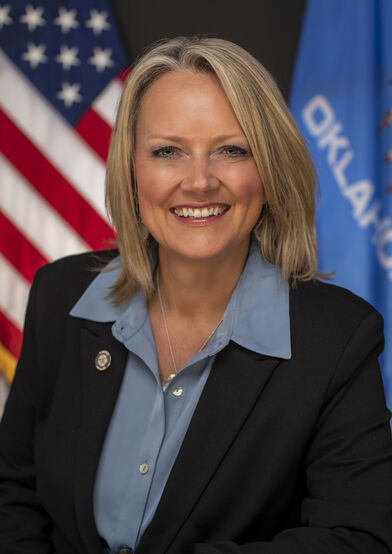
Carri Hicks
Carri Hicks Senate · District 40
D
Strong −
0% 3
Cody Maynard
Cody Maynard House · District 21
R
Strong −
0% 3
Mary Boren
Mary Boren Senate · District 16
D
Oppose
33% 3
Showing 11–20 of 20 bills

All technology bills

passed · Oklahoma · House Apr 16, 2026

HB 3176: State development; Oklahoma Gas, Artificial Intelligence, and Space Research Hub; National Laboratory; Oklahoma Department of Commerce; effective date.

HB 3176 creates the Oklahoma Gas, Artificial Intelligence, and Space Research Hub (GAS Hub) as the state's central coordinator for recruiting a U.S. National Laboratory. The hub will prepare federal-ready sites, coordinate workforce development, aggregate state incentives, and serve as Oklahoma's formal applicant to agencies like the Department of Energy and NASA. It requires the Oklahoma Department of Commerce to administer the hub, working with state agencies including the Oklahoma Space Industry Development Authority. The bill mandates annual reports on federal engagement and site readiness, with implementation effective November 1, 2026.
in committee · Oklahoma · House Feb 26, 2026

HB 3299: Crimes and punishments; creating and disseminating a digitization or synthetic media; making certain acts unlawful; emergency.

HB 3299 prohibits creating and sharing synthetic media (such as deepfakes) that falsely depict a person's name, image, voice, or likeness without their written consent, unless used for news, commentary, satire, or parody. It requires political advertisements using such media during election periods (45 days before elections) to clearly disclose that the content is synthetic, with violations punishable as misdemeanors. For non-political use, creating synthetic media without consent is a misdemeanor, but becomes a felony if it causes over $25,000 in financial harm or is used for extortion. Victims can also seek civil damages, including legal fees, for violations.
passed · Oklahoma · House Apr 21, 2026

HB 3544: Technology; artificial intelligence; companions; minors; safety; civil penalties; effective date.

HB 3544 prohibits AI chatbots with human-like features (e.g., claiming sentience or seeking emotional bonds) from being available to minors under 18. It requires developers to implement age verification systems and offer alternative versions without such features for minors. Therapeutic chatbots providing mental health support are exempt if they include clear disclaimers, require professional oversight, provide clinical evidence of safety, and maintain transparency. Violations could result in civil penalties up to $7,500 per intentional violation, with minors or parents able to seek damages of $100-$750 per incident. The law takes effect November 1, 2026.
passed · Oklahoma · House Apr 16, 2026

HB 3380: Children; Fostering the Future for Oklahoman Children and Families Act; Department of Human Services; tasks; time period; authority or functions; departments or agencies; applicable laws; report; codification; effective date.

HB 3380, the "Fostering the Future for Oklahoman Children and Families Act," requires Oklahoma's Department of Human Services (DHS) to modernize child welfare systems within 180 days of its effective date. It mandates improved data collection and transparency, expansion of AI-driven tools for caregiver matching and funding efficiency, and annual public scorecards tracking outcomes like reducing foster care duration and improving child safety. The bill also directs DHS to create a new initiative supporting youth transitioning from foster care through online resource platforms, educational scholarships, and reallocated funding for job training. Additionally, it requires DHS to address religious accommodations for faith-based partners and foster family placements. The law takes effect November 1, 2026.
in committee · Oklahoma · House Feb 4, 2025

HB 1915: Artificial intelligence; AI devices in health care; qualified end-user; deployer; quality assurance program; State Department of Health; effective date.

HB 1915 establishes rules for using artificial intelligence (AI) in Oklahoma healthcare. It requires hospitals and healthcare facilities (deployers) to ensure AI devices used for diagnosis or treatment are only operated by licensed physicians (qualified end-users) who review all AI outputs for accuracy. Deployers must create quality assurance programs, document all AI use - including overrides of AI recommendations - and maintain an AI governance group with physician input. The law mandates compliance with federal FDA guidelines, tracks performance through national registries when possible, and authorizes the State Department of Health to enforce penalties for violations, effective November 2025.
in committee · Oklahoma · Senate Mar 25, 2026

SB 1386: Courts; requiring Supreme Court to establish certain pilot project; requiring promulgation of certain rules. Effective date.

SB 1386 requires Oklahoma's Supreme Court and Administrative Office of the Courts (AOC) to establish statewide policies for recording judicial proceedings, including technical standards for audio/video systems, AI-assisted transcripts, and confidential audio channels. It mandates that recording systems support ADA-compliant closed captioning, secure metadata logging, and accurate transcription, while prohibiting local court funding for required equipment (using state appropriations instead). The bill directly affects all Oklahoma district courts and court reporters by updating recording, storage, and accessibility requirements under the Oklahoma Court Information System (OCIS), with penalties for noncompliance and whistleblower protections.
signed · Oklahoma · House May 5, 2025

HB 1364: Crimes and punishments; sexual obscenity; making certain acts unlawful; effective date.

HB 1364 prohibits the nonconsensual sharing of AI-generated sexual images or real images of someone in a sexual act or showing intimate body parts without their consent. It defines "artificially generated sexual depiction" as images created using AI or photo editing that appear authentic but did not occur in reality. Violating this law is a misdemeanor (up to 1 year in jail or $1,000 fine) for first offenses, and a felony (up to 10 years in prison and sex offender registration) for repeated violations (three or more images within six months). The law applies to both real images and AI-generated content, with exemptions for criminal investigations and public exposure.
in committee · Oklahoma · House Feb 4, 2025

HB 1916: Artificial intelligence; Responsible Deployment of AI Systems Act; AI Council; AI Regulatory Sandbox Program; Artificial Intelligence Workforce Development Program; effective date.

HB 1916 requires Oklahoma businesses and government agencies to classify AI systems into four risk categories (Unacceptable, High, Limited, Minimal) before deployment. High-risk systems (e.g., in healthcare or law enforcement) must undergo safety assessments, include human oversight by qualified overseers, and notify individuals affected by AI decisions. Unacceptable-risk systems - such as discriminatory lending tools or unauthorized biometric surveillance - are prohibited. The bill establishes an AI Council to analyze public feedback, issue annual regulatory recommendations, and enforce penalties for noncompliance.
in committee · Oklahoma · House Feb 17, 2025

HB 2371: Schools; mental health; pilot programs; revolving fund; effective date.

HB 2371 proposes funding pilot programs for school districts to use AI software on school-issued devices as a safety tool, without direct student surveillance. The bill requires the Oklahoma Department of Mental Health and Substance Abuse Services and the State Department of Education to fund AI programs that analyze device activity (via existing web filtering systems) to assess student safety, readiness to learn, and well-being, using data already collected for compliance. It creates a dedicated revolving fund in the state treasury to cover costs like software, equipment, and personnel for these voluntary pilot programs, which can be implemented at the district or school level. The bill would take effect November 1, 2025, if passed.
in committee · Oklahoma · Senate Feb 4, 2025

SB 746: Artificial intelligence; requiring certain disclosure for certain media. Effective date.

SB 746 requires political campaigns in Oklahoma to disclose when ads, videos, or audio content featuring candidates - depicting them doing or saying things they didn’t actually do - is created using AI. The disclosure, "Created in whole or in part with the use of generative artificial intelligence," must be clearly visible in visuals (readable size, full duration) or audible in audio (spoken at start and end). Exceptions cover news broadcasts, media with verified authenticity, and satire. Candidates can seek legal action for violations, including damages and attorney fees, but the law does not apply to news reporting or satirical content. It takes effect November 1, 2025.
Showing 11 to 20 of 20 bills