Issue · Technology

Technology

Every technology bill, vote, and legislator stance in Oklahoma, automatically classified by Maddy, our AI policy reader.

Total bills
34
2026 Regular Session
Top supporter
Josh West
91% support rate
Top opponent
Justin Humphrey
17% support rate
Ranked legislators
10
5 support · 5 oppose
Key legislators

Who's moving technology in Oklahoma

Legislators moving technology in Oklahoma
Legislator Party Stance Support rate Votes
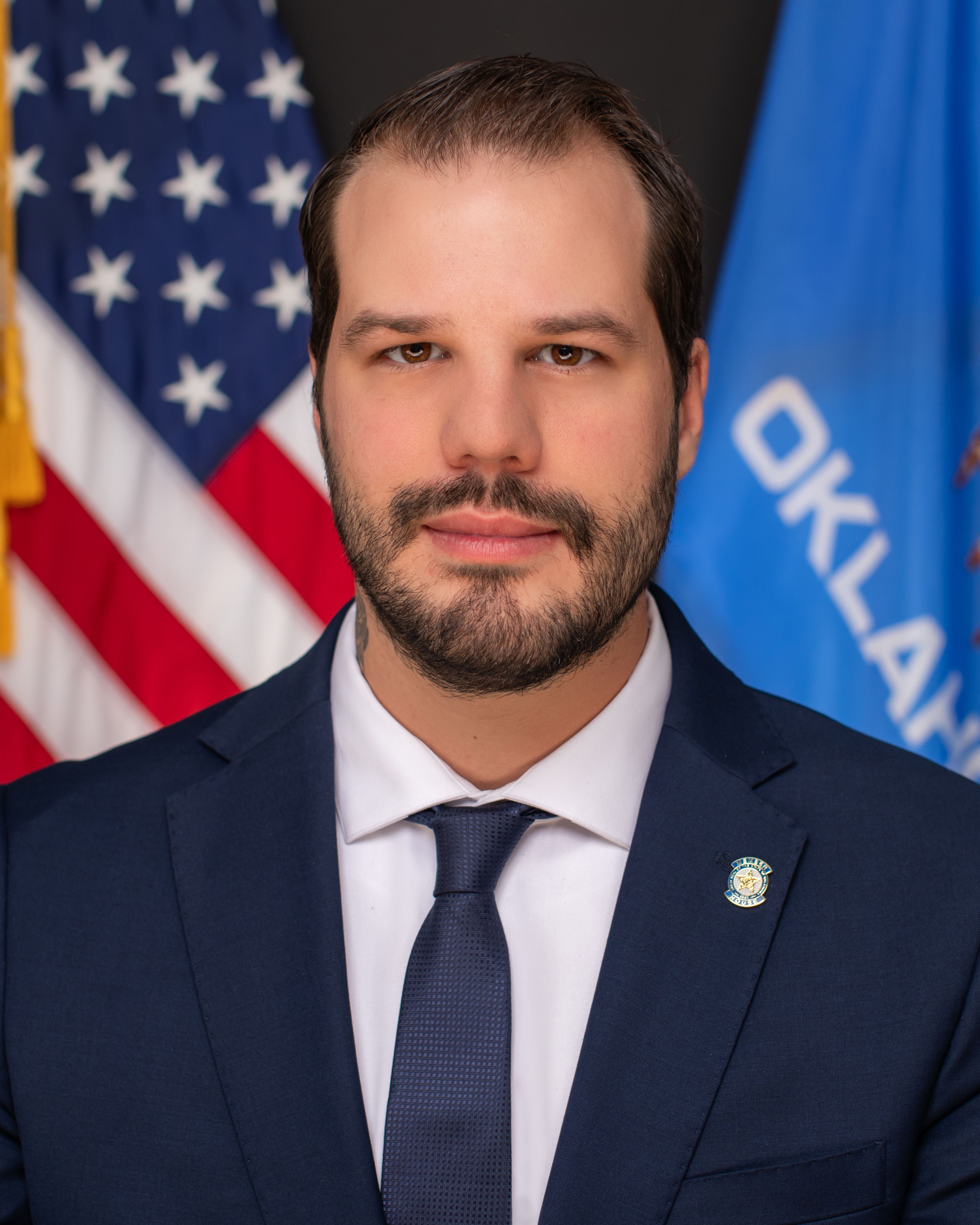
Josh West
Josh West House · District 5
R
Strong +
91% 140
Ken Luttrell
Ken Luttrell House · District 37
R
Strong +
90% 127
Mike Osburn
Mike Osburn House · District 81
R
Strong +
90% 173
Mark Mann
Mark Mann Senate · District 46
D
Strong +
89% 165
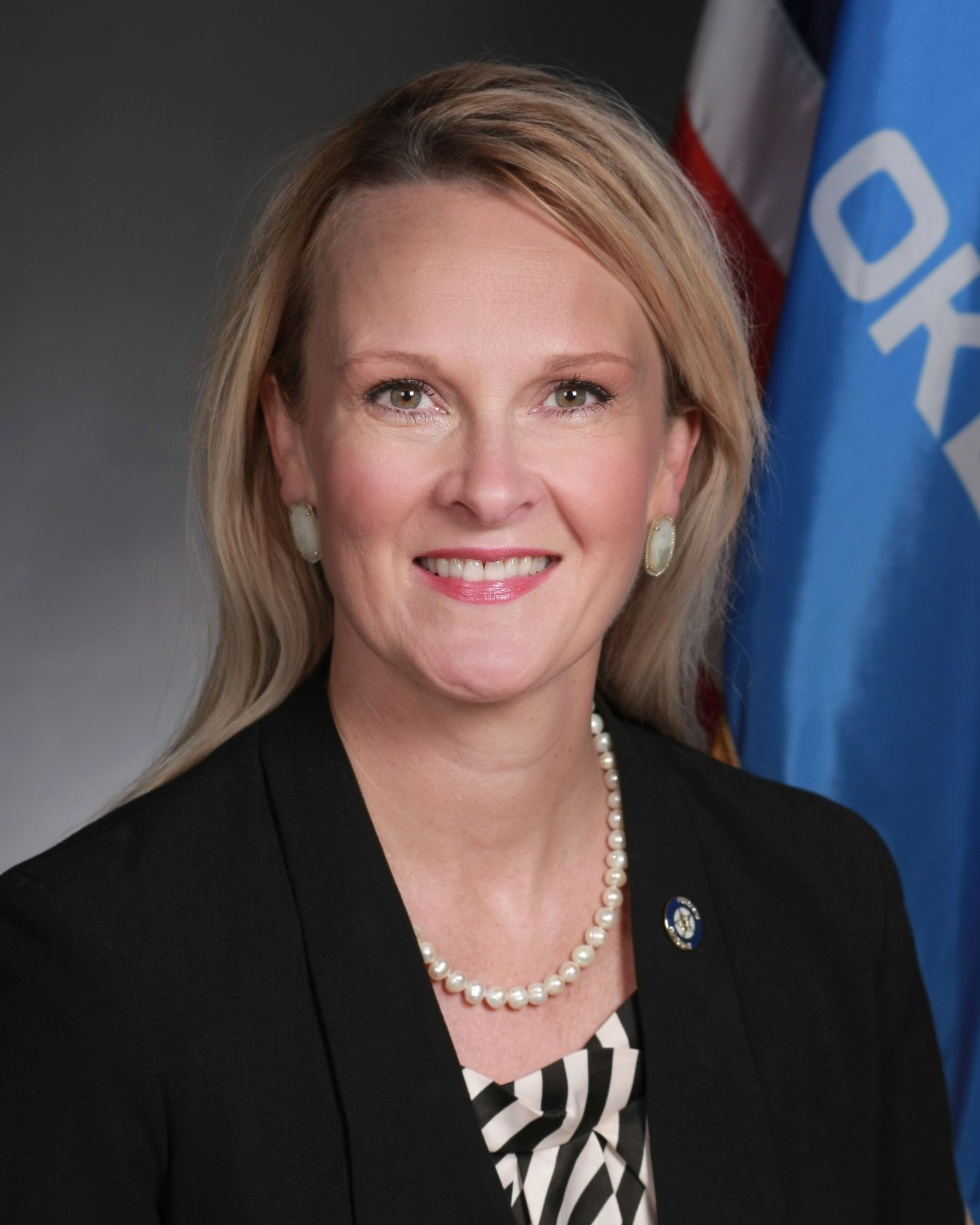
Toni Hasenbeck
Toni Hasenbeck House · District 65
R
Strong +
88% 151
Justin Humphrey
Justin Humphrey House · District 19
R
Strong −
17% 102
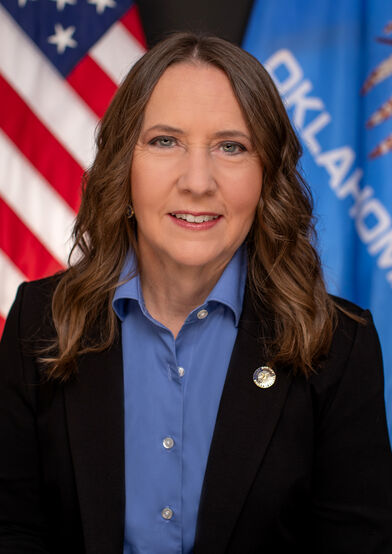
Julie McIntosh
Julie McIntosh Senate · District 3
R
Strong −
17% 142
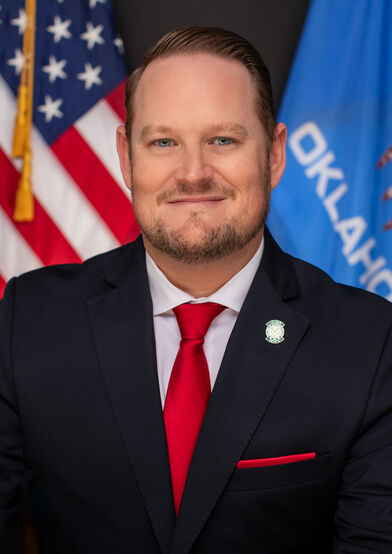
Brian Guthrie
Brian Guthrie Senate · District 25
R
Strong −
18% 149
Gabe Woolley
Gabe Woolley House · District 98
R
Strong −
19% 180
Tom Gann
Tom Gann House · District 8
R
Strong −
19% 163
Showing 11–20 of 34 bills

All technology bills

in committee · Oklahoma · House Feb 3, 2026

HB 3123: Civil procedure; cause of action for intentional distribution of false news; Attorney General to file action on behalf of the citizens of Oklahoma; effective date.

HB 3123 would hold news media outlets - including national, local, social media, and information platforms - liable for intentionally distributing false news meant to mislead or promote political views. The Attorney General could file lawsuits on behalf of Oklahoma citizens, seeking actual damages (including profits from false reports) and punitive damages of at least $500 per report. Exceptions cover satire, parody, and content protected under federal Section 230 (which shields platforms for user-generated content). The bill, introduced in 2026, would take effect November 1, 2026.
Sub-Topics Social Media
in committee · Oklahoma · Senate Feb 3, 2026

SB 1915: Money transmission; allowing Insurance Commissioner to require certain information for certain claim to exemption; requiring certain license to engage in business; allowing Commissioner to utilize Nationwide Multistate Licensing System. Effective date.

SB 1915 requires digital asset kiosk operators in Oklahoma to obtain a money transmitter license and comply with new reporting rules. It mandates quarterly location reports detailing company names, addresses, and operational dates for each kiosk, and allows the Insurance Commissioner to use the Nationwide Multistate Licensing System (NMLS) for licensing and enforcement. The bill directly affects businesses operating digital asset kiosks, imposing fines up to $2,000 per violation for unlicensed operation and requiring compliance with specific record-keeping and reporting standards. It modernizes Oklahoma's regulatory framework for these businesses while repealing outdated provisions of the Oklahoma Financial Transaction Reporting Act.
in committee · Oklahoma · Senate Feb 3, 2026

SB 2058: Gold and silver; recognizing as legal tender; establishing gold depository; exempting sale or exchange of species from taxable income. Effective date.

Oklahoma's SB 2058 recognizes physical gold and silver bullion (meeting 99.5% purity for gold and 99.9% for silver) as legal tender for private debts and state tax/fee payments, with the state requiring the Treasurer to establish secure depositories for storage. It exempts sales and exchanges of qualifying gold/silver from capital gains tax and mandates that transactions use physical metal held in approved depositories, not digital systems or government-controlled tools. The bill allows Oklahomans and businesses to voluntarily use gold/silver for payments - either in person or via electronic systems linked to depositories - while ensuring depositories meet international security standards. It does not require businesses or the state to accept gold/silver, and explicitly prohibits its use for surveillance or social scoring.
in committee · Oklahoma · House Feb 3, 2026

HB 3095: Property; Rural Landowners Protection Act; definitions; real property; shares; voting; election procedures; setback provisions; effective date.

HB 3095, the Rural Landowners Protection Act, requires landowner approval for certain large-scale projects like wind energy facilities, data centers, battery storage, and carbon capture operations. It directly affects landowners within a 5-mile radius of these projects, granting each parcel one voting share. Projects need approval from at least two-thirds of all affected landowners through a county-administered election, with a 30-day window for voting after application. Failed projects cannot be resubmitted for landowner approval for three years. The bill takes effect November 1, 2026.
Sub-Topics Energy Storage Wind
in committee · Oklahoma · Senate Mar 4, 2026

SB 1923: Prisons and reformatories; prohibiting access to social media by inmates. Effective date.

SB 1923 prohibits inmates in Oklahoma prisons and reformatories from accessing social media platforms on any electronic devices provided by the Department of Corrections (like phones, tablets, or computers). The bill defines "social media platform" as websites enabling user-generated content and interaction, such as Facebook or Instagram. The Department of Corrections must create specific rules to implement this ban, which takes effect November 1, 2026. This policy directly affects all inmates in state correctional facilities by restricting their use of social media during incarceration.
Sub-Topics Social Media
passed · Oklahoma · Senate Apr 6, 2026

SB 1716: Security Breach Notification Act; prohibiting class action liability for private entity for cybersecurity event; providing exceptions. Effective date.

SB 1716 amends Oklahoma's Security Breach Notification Act to limit class action lawsuits against private entities following cybersecurity breaches. It prohibits class action liability unless a breach results from the entity's "willful and wanton conduct or gross negligence." The bill also clarifies that private entities using reasonable safeguards and providing required breach notices cannot be held liable for civil penalties, while those failing to use reasonable safeguards face reduced penalties ($75,000) but not class actions. This directly affects businesses and organizations handling personal data in Oklahoma, shifting enforcement exclusively to the Attorney General or district attorneys for most cases.
in committee · Oklahoma · Senate Feb 3, 2026

SB 2038: Health Insurance; requiring certain decisions to be made by licensed professional; prohibiting issuance of outcomes determined with artificial-intelligence; requiring disclosure notice by insurer. Emergency.

SB 2038 prohibits health insurance companies in Oklahoma from using artificial intelligence (AI) systems to make final decisions denying, reducing, or terminating coverage or benefits. Instead, all such decisions must be reviewed and issued by licensed healthcare providers, not AI. The bill requires insurers to disclose to patients that human providers - not AI - made the final decision, and mandates that insurers consult a patient’s treating provider on medical necessity before denying coverage. These requirements apply directly to health insurance issuers operating in Oklahoma and affect patients whose claims are reviewed by insurers.
signed · Oklahoma · Senate May 13, 2026

SB 1734: Schools; creating the Oklahoma Responsible Technology in Schools Act; requiring development of guidance for use of artificial intelligence and emerging technologies. Effective date. Emergency.

SB 1734, the Oklahoma Responsible Technology in Schools Act, restricts AI tool use in public schools to educator-supervised settings, requiring all classroom AI applications to operate under teacher oversight ("human-in-the-loop") with educators reviewing outputs before use in instruction or assessment. It prohibits AI from determining high-stakes outcomes like grading, discipline, or student placement, and mandates school districts to adopt policies by the 2027-2028 school year covering data privacy, appropriate use, and transparency for families. The State Department of Education must develop guidance to help districts comply, while ensuring AI tools meet federal privacy laws (like FERPA) and minimize student data sharing. The bill takes effect July 1, 2026, and does not compel schools to adopt AI but sets guardrails for its responsible use.
in committee · Oklahoma · House Feb 3, 2026

HB 3889: Sex offenders; requiring disclosure of certain conviction information; effective date.

HB 3889 requires Oklahoma sex offenders to disclose their internet communication identities (including email, chat, and social media handles) as part of their registration with law enforcement. It affects all individuals subject to Oklahoma's Sex Offenders Registration Act, particularly those with out-of-state convictions needing to provide certified court documents within 60 days of moving. The bill also specifies address verification frequencies based on risk level: annually for Level 1, semiannually for Level 2, and every 90 days for Level 3 or habitual offenders. It mandates that offenders submit proof of current address and household occupants during verification checks. These changes update registration requirements to include digital footprints and streamline address compliance processes.
in committee · Oklahoma · House Feb 3, 2026

HB 3715: Schools; prohibiting student use of personal electronic devices; effective date; emergency.

HB 3715 requires Oklahoma public school districts to adopt policies banning student use of personal electronic devices (like smartphones, tablets, smartwatches, and laptops) from the start to the end of each school day beginning with the 2025-2026 school year. For the 2026-2027 school year and beyond, districts may choose whether to maintain this ban. The policy must include disciplinary procedures and allow exceptions for emergencies or health monitoring. The bill takes effect July 1, 2026, and explicitly excludes school-issued devices used for classroom instruction.
Showing 11 to 20 of 34 bills
Previous 1 2 3 4 Next