Issue · Technology

Technology

Every technology bill, vote, and legislator stance in Oklahoma, automatically classified by Maddy, our AI policy reader.

Total bills
125
2026 Regular Session
Top supporter
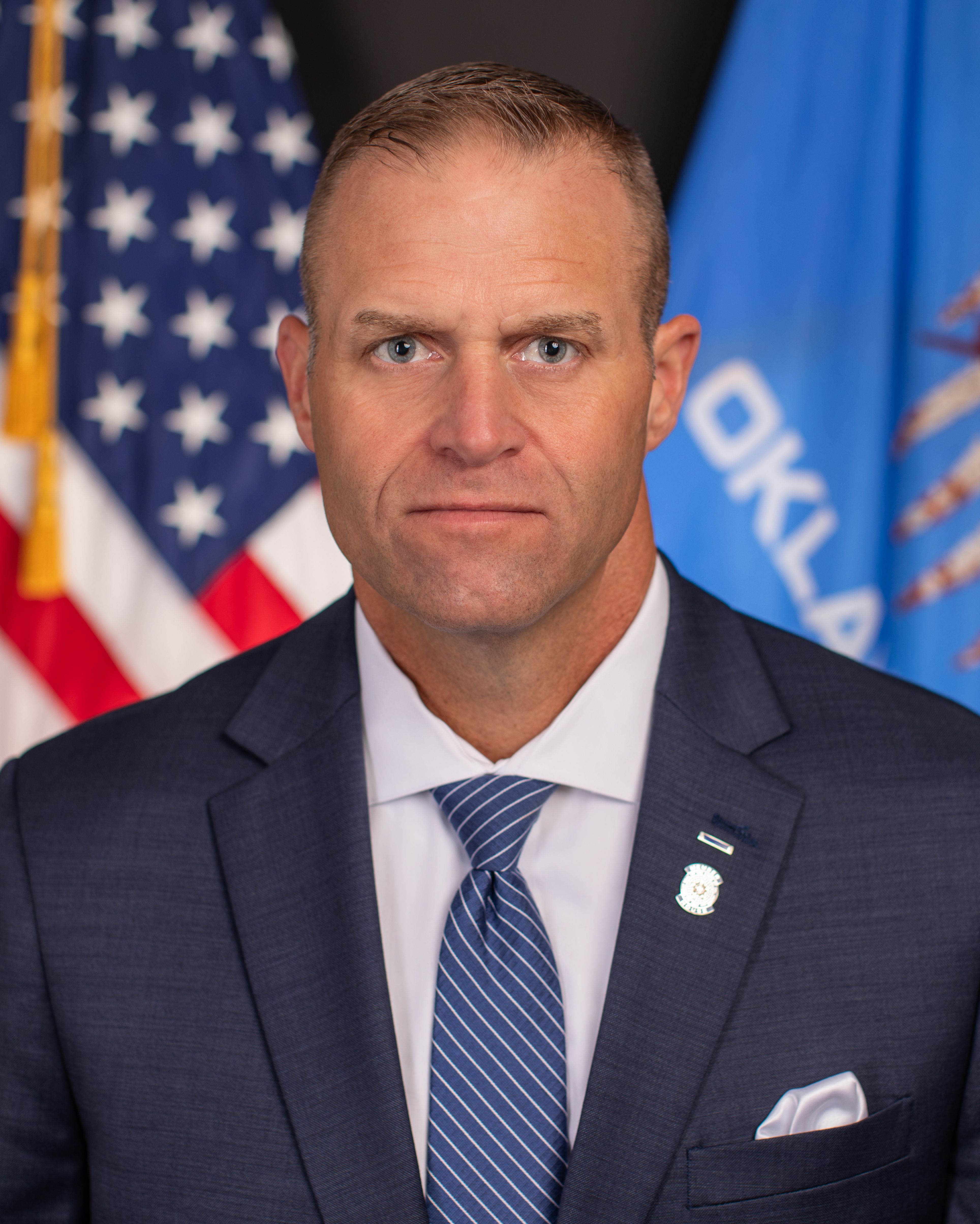
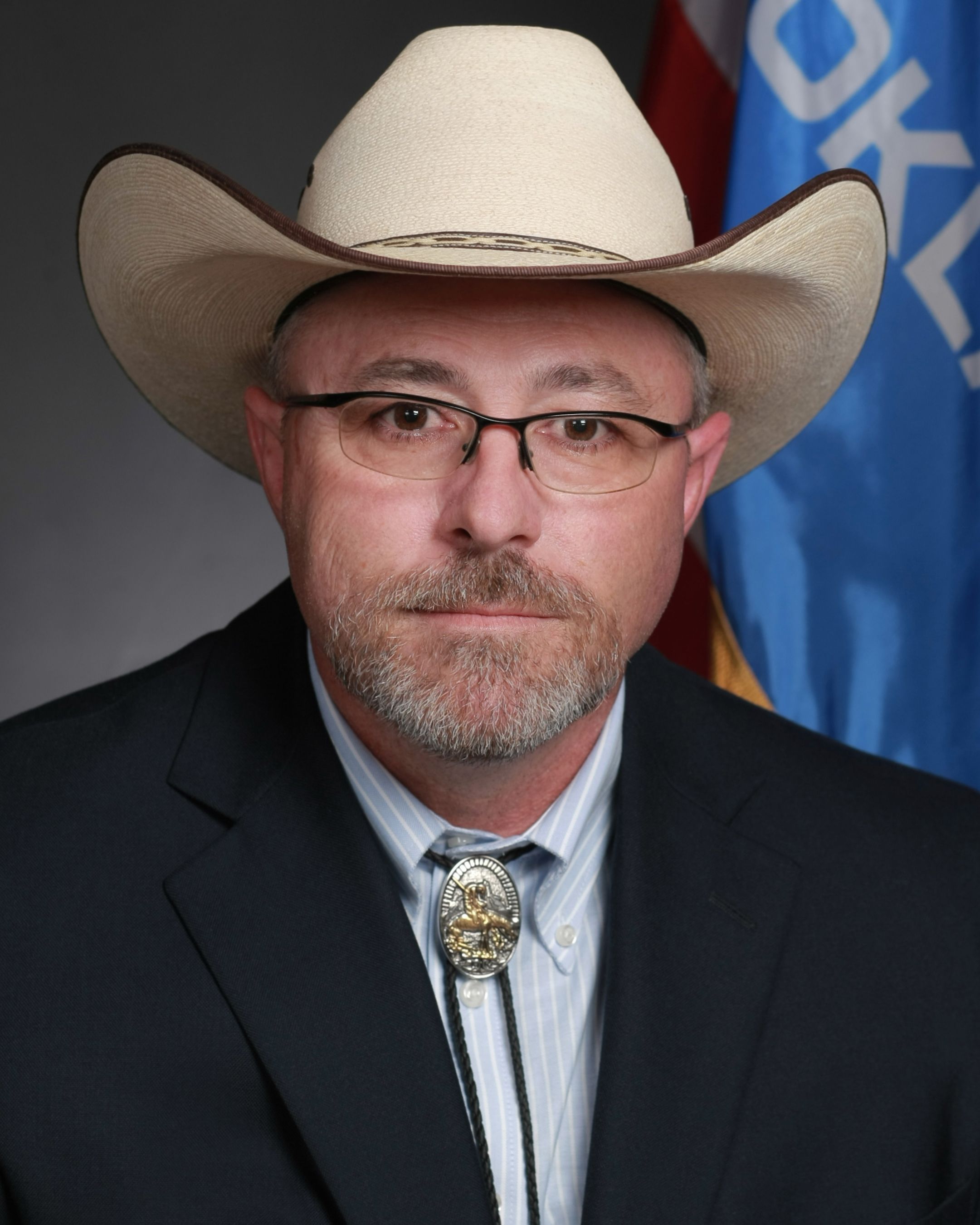
Josh West
91% support rate
Top opponent
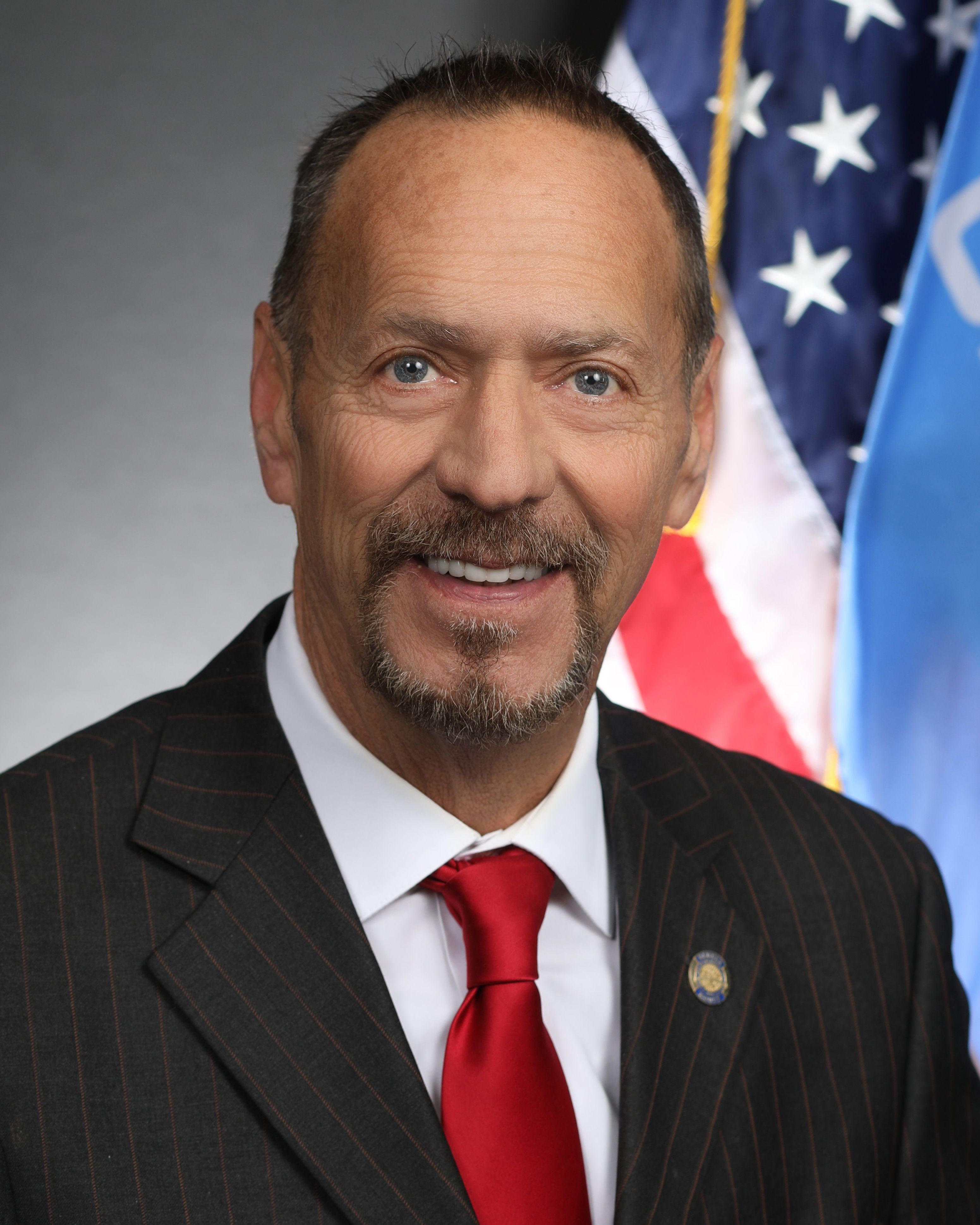
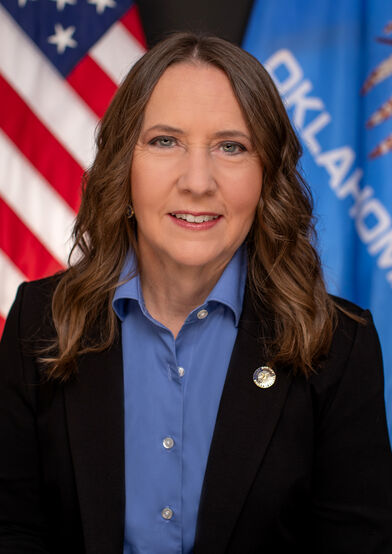
Justin Humphrey
17% support rate
Ranked legislators
10
5 support · 5 oppose
Key legislators

Who's moving technology in Oklahoma

Legislators moving technology in Oklahoma
Legislator Party Stance Support rate Votes
Josh West
Josh West House · District 5
R
Strong +
91% 140
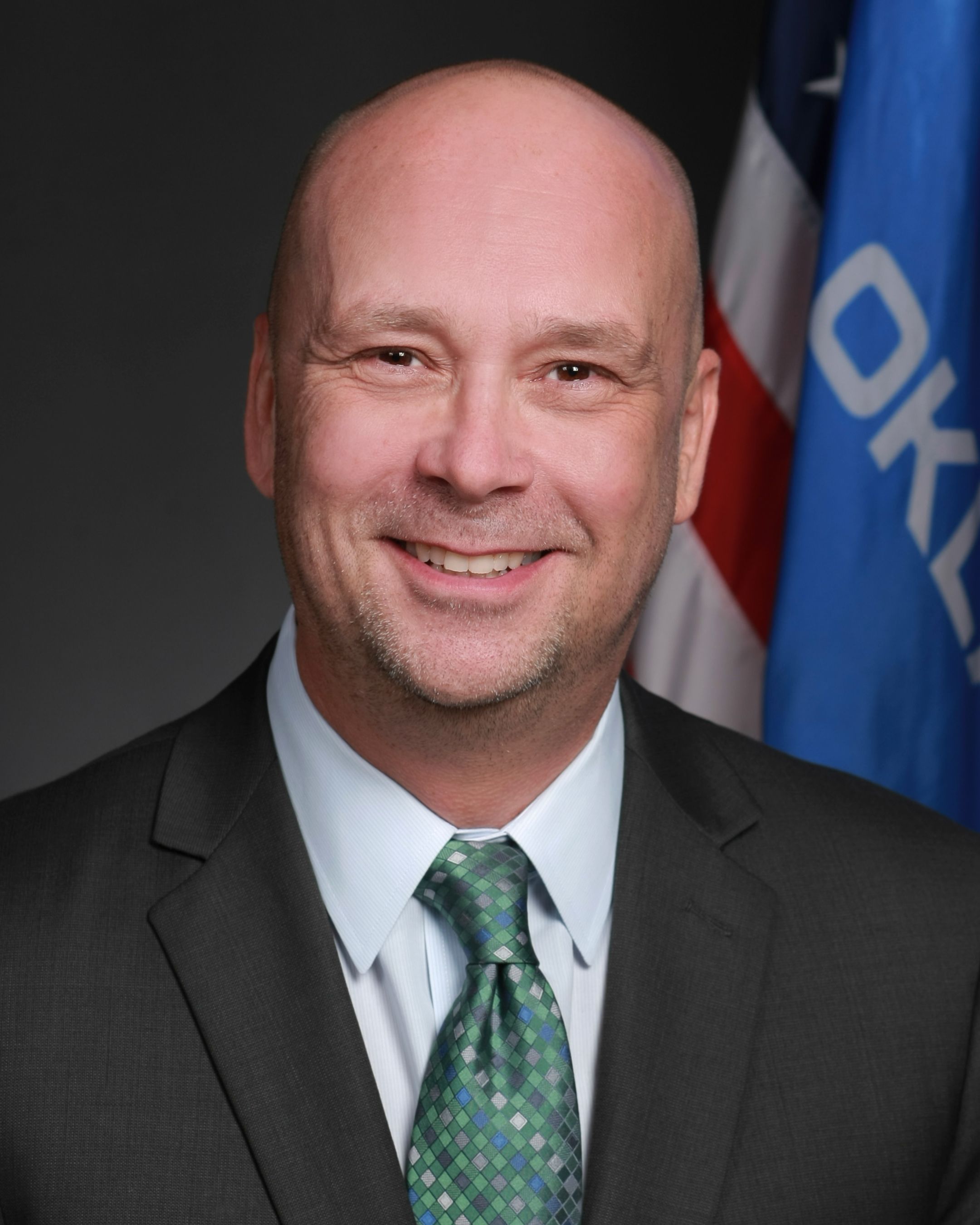
Ken Luttrell
Ken Luttrell House · District 37
R
Strong +
90% 127
Mike Osburn
Mike Osburn House · District 81
R
Strong +
90% 173
Mark Mann
Mark Mann Senate · District 46
D
Strong +
89% 165
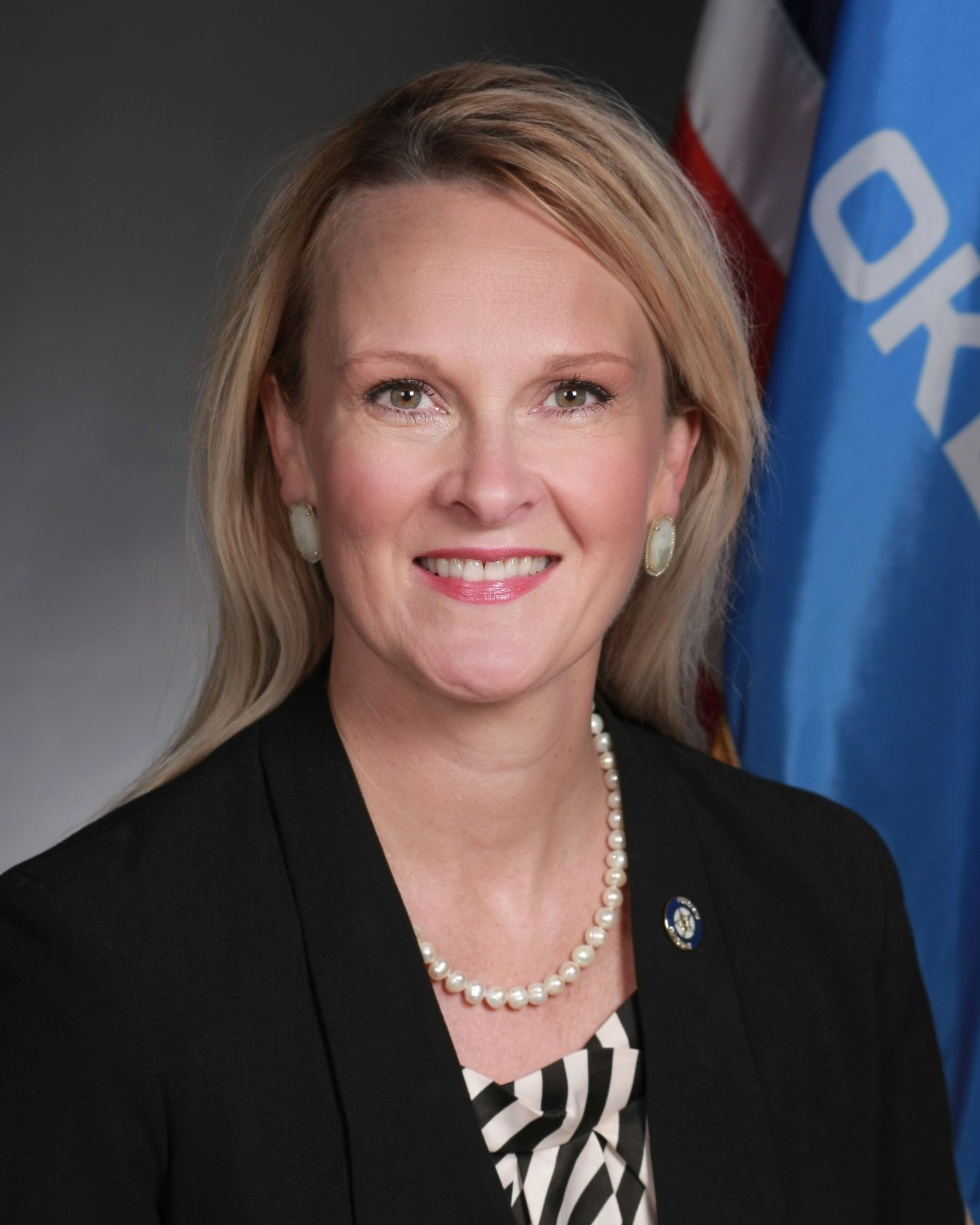
Toni Hasenbeck
Toni Hasenbeck House · District 65
R
Strong +
88% 151
Justin Humphrey
Justin Humphrey House · District 19
R
Strong −
17% 102
Julie McIntosh
Julie McIntosh Senate · District 3
R
Strong −
17% 142
Brian Guthrie
Brian Guthrie Senate · District 25
R
Strong −
18% 149
Gabe Woolley
Gabe Woolley House · District 98
R
Strong −
19% 180
Tom Gann
Tom Gann House · District 8
R
Strong −
19% 163
Showing 111–120 of 125 bills

All technology bills

passed · Oklahoma · House Apr 21, 2026

HB 2293: Oklahoma Broadband Office; extending termination of Board, Office and Council; duties; authority; effective date.

HB 2293 extends the Oklahoma Broadband Office's operations until December 31, 2030 (previously ending June 30, 2028) and reorganizes it as a division of the Oklahoma Department of Commerce. The bill also extends the Broadband Governing Board and Broadband Expansion Council until 2030, maintaining their roles in overseeing statewide broadband grant programs, the Statewide Broadband Plan, and rural connectivity initiatives. These entities will continue managing federal and state funds for broadband expansion while operating under open-government laws. The changes ensure continuity for existing broadband infrastructure projects and grant programs without altering their core functions.
Sub-Topics Broadband Access
passed · Oklahoma · House Apr 16, 2026

HB 1016: Labor; compensation for minors; Internet content; records; trust account; civil action; effective date.

HB 1016 requires content creators in Oklahoma who feature minors in compensated online videos to set aside earnings in a trust account for the minor until they turn 18. It mandates detailed record-keeping of minor-related content, views, and earnings, and allows minors aged 13+ to demand removal of their likeness from content. Content creators must maintain these records until the minor turns 21 and face civil penalties for violations, including lawsuits for unpaid trust funds. The law directly affects minors appearing in compensated video content on platforms like social media or streaming services within Oklahoma.
in committee · Oklahoma · House Feb 4, 2025

HB 1916: Artificial intelligence; Responsible Deployment of AI Systems Act; AI Council; AI Regulatory Sandbox Program; Artificial Intelligence Workforce Development Program; effective date.

HB 1916 requires Oklahoma businesses and government agencies to classify AI systems into four risk categories (Unacceptable, High, Limited, Minimal) before deployment. High-risk systems (e.g., in healthcare or law enforcement) must undergo safety assessments, include human oversight by qualified overseers, and notify individuals affected by AI decisions. Unacceptable-risk systems - such as discriminatory lending tools or unauthorized biometric surveillance - are prohibited. The bill establishes an AI Council to analyze public feedback, issue annual regulatory recommendations, and enforce penalties for noncompliance.
passed · Oklahoma · House Apr 1, 2025

HB 1982: Schools; contracts for school materials; electronic textbook and instructional materials; contracts between vendors and schools; damages; definitions; effective date; emergency.

HB 1982 updates Oklahoma school contracting rules for electronic educational materials. It requires vendors to guarantee materials are ready for immediate use at delivery, provide free replacements for defects within seven days, and supply updates/support within seven days of a school's notification. The bill also mandates that electronic files for textbooks must be in formats compatible with federal accessibility standards (like Braille conversion), ensuring materials can be adapted for students with disabilities. These rules apply to digital textbooks, software, and online learning tools purchased by school districts, effective July 1, 2025.
Sub-Topics Curriculum
passed · Oklahoma · House Apr 22, 2025

HB 1275: Social media; social network; parents and guardians; permission; verification.

HB 1275 requires social media platforms meeting its definition (e.g., those using algorithms, infinite scrolling, and enabling public social interaction) to verify users are at least 18 years old before granting access. It specifically affects platforms used by Oklahoma residents, excluding email services, gaming platforms, educational tools, and professional networking sites. Key mechanisms include using state-approved digital ID verification and prohibiting "dark patterns" that trick users into sharing age data. The bill explicitly states it does not restrict content or minors' ability to post content on platforms they legally access, focusing solely on age verification for platform access.
in committee · Oklahoma · House Feb 4, 2025

HB 1913: Criminal procedure; prohibiting reverse-location or reverse-keyword court orders; codification; effective date.

HB 1913 prohibits Oklahoma state government entities from seeking or obtaining location or search history data through "reverse-location" or "reverse-keyword" court orders or requests. It bans government agencies from issuing such orders, requiring courts to reject them, and making any data collected this way inadmissible in court. Individuals affected can receive written notice of violations and sue for $1,000 per violation, plus attorney fees, with punitive damages possible for repeated or targeted violations. The law applies to all Oklahoma state and local government actions and takes effect November 1, 2025.
Sub-Topics Courts
introduced · Oklahoma · Senate Apr 29, 2025

SR 18: Resolution; affirming Oklahoma's right to opt out of the federal REAL ID system.

This resolution (SR 18) affirms Oklahoma's right to opt out of the federal REAL ID system and supports residents' choice between REAL ID-compliant and non-compliant state ID cards. It specifically requires the state to prohibit sharing personal and biometric data (like fingerprints or facial scans) for non-compliant IDs with the federal government without a court-approved warrant. The resolution directly affects Oklahomans who choose non-compliant IDs, ensuring their data isn't shared federally absent legal authorization. It emphasizes protecting privacy while maintaining the state's existing option to offer both ID types.
in committee · Oklahoma · House Feb 17, 2025

HB 2371: Schools; mental health; pilot programs; revolving fund; effective date.

HB 2371 proposes funding pilot programs for school districts to use AI software on school-issued devices as a safety tool, without direct student surveillance. The bill requires the Oklahoma Department of Mental Health and Substance Abuse Services and the State Department of Education to fund AI programs that analyze device activity (via existing web filtering systems) to assess student safety, readiness to learn, and well-being, using data already collected for compliance. It creates a dedicated revolving fund in the state treasury to cover costs like software, equipment, and personnel for these voluntary pilot programs, which can be implemented at the district or school level. The bill would take effect November 1, 2025, if passed.
in committee · Oklahoma · Senate Feb 4, 2025

SB 824: Financial institutions; prohibiting disclosure of information including firearm purchases; providing exceptions. Effective date.

SB 824 prohibits financial institutions in Oklahoma from disclosing customer data that identifies firearm purchases, protecting individuals who lawfully buy firearms or ammunition. It blocks institutions from sharing "protected financial information" (like transaction details linked to firearm codes) without explicit written customer consent, except for valid warrants in criminal investigations, subpoenas (with customer notice), or when customers authorize disclosure. The bill also bans using firearm codes to discriminate, such as denying payments, charging higher fees, or restricting business with firearm retailers. This directly affects customers making firearm purchases, financial institutions processing payments, and merchants selling firearms.
in committee · Oklahoma · House Feb 4, 2025

HB 2022: Records; Oklahoma Open Records Act; definitions; exemptions; redacting or deleting of certain personal information; advance payments; requests require reasonable specificity; attorney fees; effective date.

HB 2022 amends Oklahoma's Open Records Act to clarify what qualifies as a "record" and expand exemptions for personal information. It specifically adds new exemptions in Section 24A.5, including personal financial data (like credit reports), Social Security numbers, driver records, and contact details submitted for licensing, which must now be redacted from public documents. The bill directly affects public bodies (like government agencies and courts) that handle records and citizens requesting documents, by making it clearer when they can deny requests or remove sensitive details. Key changes include defining "public body" more precisely and requiring requesters to provide reasonable specificity to avoid blanket denials. These updates aim to balance public access with privacy protections for individuals.
Sub-Topics Data Privacy
Showing 111 to 120 of 125 bills