Issue · Technology

Technology

Every technology bill, vote, and legislator stance in Oklahoma, automatically classified by Maddy, our AI policy reader.

Total bills
125
2026 Regular Session
Top supporter
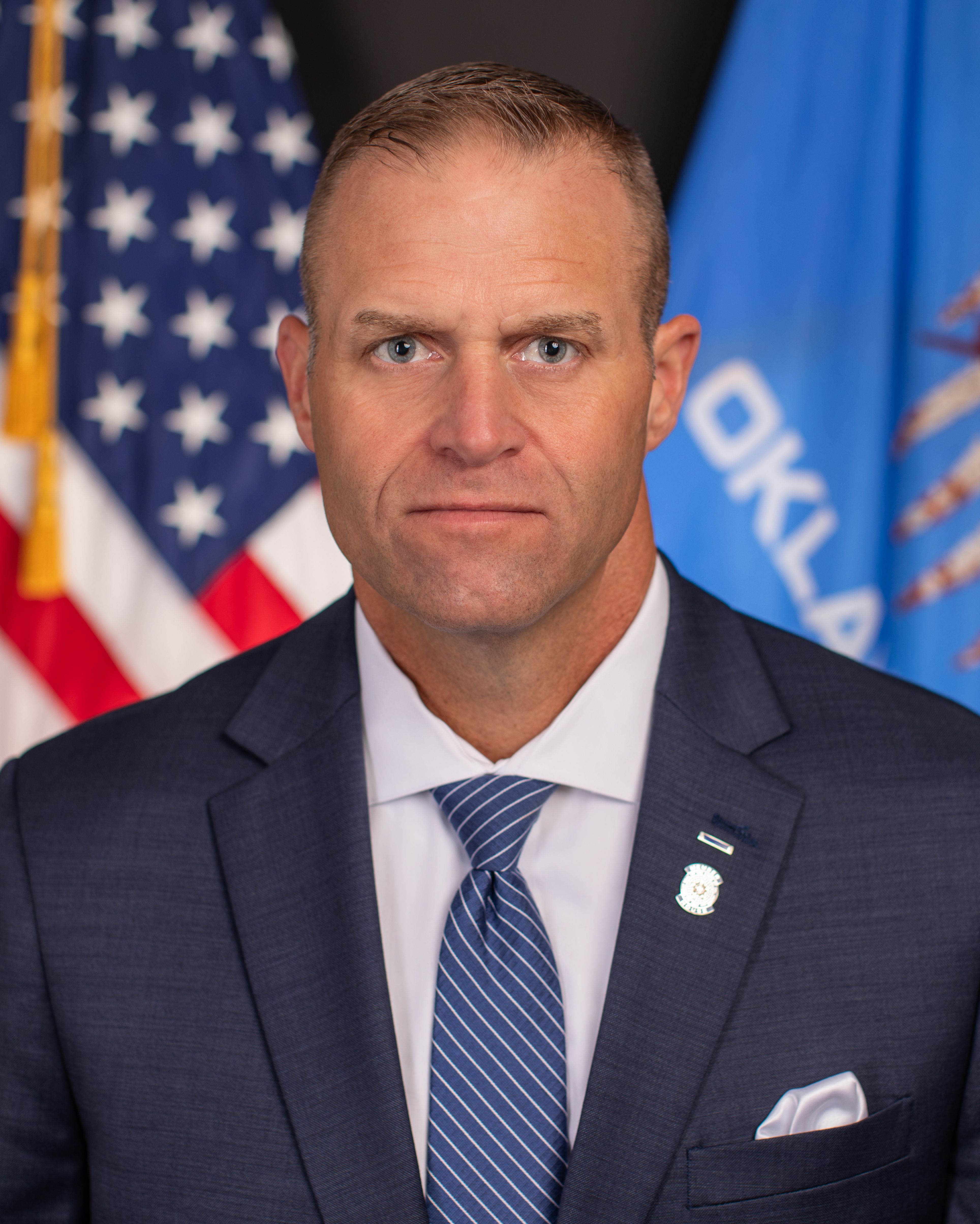
Josh West
91% support rate
Top opponent
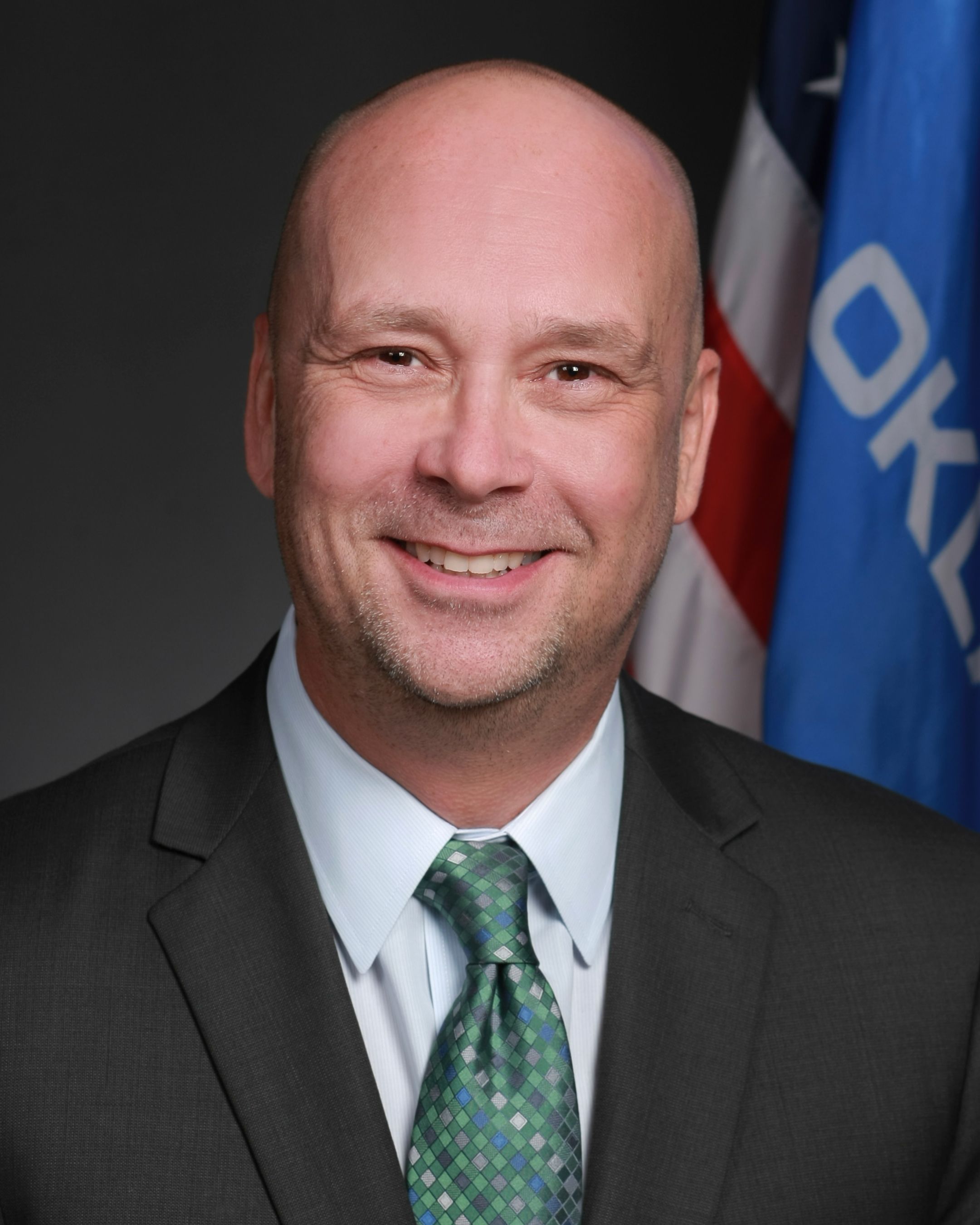
Justin Humphrey
17% support rate
Ranked legislators
10
5 support · 5 oppose
Key legislators

Who's moving technology in Oklahoma

Legislators moving technology in Oklahoma
Legislator Party Stance Support rate Votes
Josh West
Josh West House · District 5
R
Strong +
91% 140
Ken Luttrell
Ken Luttrell House · District 37
R
Strong +
90% 127
Mike Osburn
Mike Osburn House · District 81
R
Strong +
90% 173
Mark Mann
Mark Mann Senate · District 46
D
Strong +
89% 165
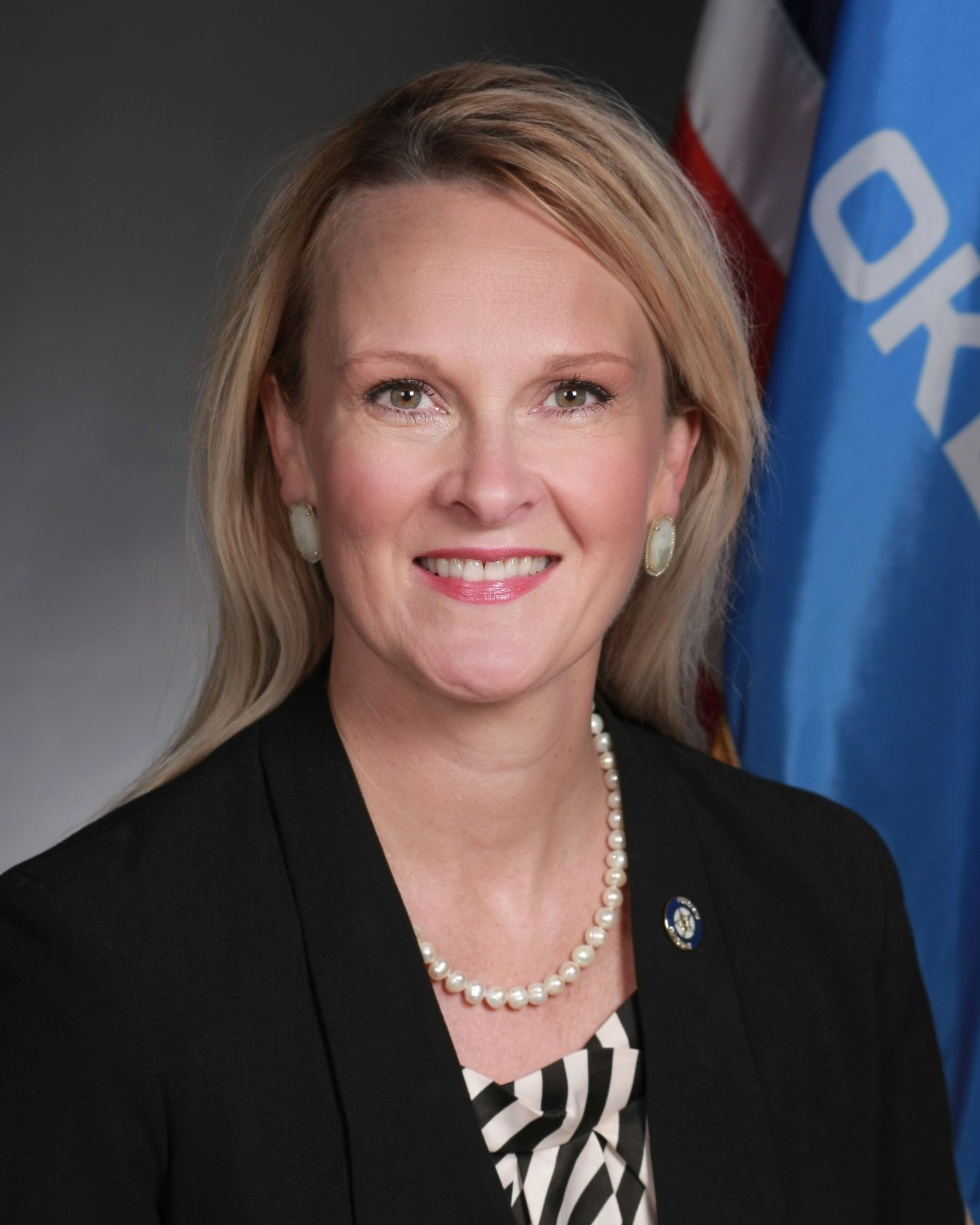
Toni Hasenbeck
Toni Hasenbeck House · District 65
R
Strong +
88% 151
Justin Humphrey
Justin Humphrey House · District 19
R
Strong −
17% 102
Julie McIntosh
Julie McIntosh Senate · District 3
R
Strong −
17% 142
Brian Guthrie
Brian Guthrie Senate · District 25
R
Strong −
18% 149
Gabe Woolley
Gabe Woolley House · District 98
R
Strong −
19% 180
Tom Gann
Tom Gann House · District 8
R
Strong −
19% 163
Showing 91–100 of 125 bills

All technology bills

in committee · Oklahoma · House Feb 6, 2025

HB 1012: Data privacy; Oklahoma Computer Data Privacy Act; consumer protection; civil penalties; effective date.

HB 1012, the Oklahoma Computer Data Privacy Act, establishes new rights for Oklahoma consumers regarding their personal data collected by businesses. It directly affects for-profit businesses (excluding ISPs acting as such) that gather consumer information, requiring them to provide clear privacy disclosures, allow consumers to request access or deletion of their data, and enable opting out of data sales. Key mechanisms include mandating businesses to verify consumer requests, disclose data practices online, prohibit discrimination for exercising privacy rights, and impose civil penalties for violations. The law empowers the Oklahoma Attorney General to enforce these provisions and collect penalties into a dedicated state fund. It aligns with federal privacy laws but prioritizes the strongest consumer protections when conflicts arise.
in committee · Oklahoma · Senate Feb 4, 2025

SB 704: Schools; directing certain online learning platform to be available to all students in the state. Effective date. Emergency.

SB 704 requires all Oklahoma public high schools to offer at least four advanced placement (AP) courses starting in the 2024-2025 school year. It mandates that school districts provide access to AP courses through options including an online platform maintained by the Statewide Charter School Board, with a focus on STEM, foreign language, and AP courses. The bill directs this online platform to be available to all students across Oklahoma school districts, eliminating barriers to course access. The law takes effect July 1, 2025, and includes requirements for the State Department of Education to provide information about AP course benefits and track district implementation.
in committee · Oklahoma · Senate Feb 3, 2026

SB 1231: Digital identification; providing that no person be denied certain services on certain basis. Emergency.

SB 1231 prohibits state agencies, public buildings, and private businesses in Oklahoma from denying services to individuals who do not possess or use a digital ID. It defines "digital ID" as an electronic identity verification method (not a digitized physical ID card) stored on mobile devices or cloud platforms. The bill ensures people cannot be blocked from accessing services like government offices, healthcare, or retail due to lacking digital ID, covering both public and private entities. The emergency clause makes it effective immediately upon approval.
in committee · Oklahoma · Senate Feb 4, 2025

SB 236: Income tax; providing credit to qualified employers for certain compensation paid and expenses incurred. Effective date.

SB 236 creates a tax credit for Oklahoma employers in the aerospace and defense sector that must meet U.S. Department of Defense cybersecurity requirements (CMMC). It allows qualifying businesses (with 5-200 employees not yet CMMC-compliant as of 2026) to claim a 50% credit on wages and expenses incurred while achieving initial CMMC compliance, capped at $50,000 total per business through 2031. The credit cannot reduce tax below zero, may be carried forward for up to five years, and is limited to $10 million annually across all businesses. This bill directly affects Oklahoma aerospace/defense employers seeking federal contracts requiring CMMC certification.
in committee · Oklahoma · Senate Feb 4, 2025

SB 754: Oklahoma Science and Technology and Development Act; authorizing the Oklahoma Center for the Advancement of Science and Technology (OCAST) to establish the Doctoral Retention Grant Program. Effective date.

SB 754 authorizes Oklahoma's OCAST to create the Doctoral Retention Grant Program, providing competitive grants to doctoral degree holders who commit to staying in Oklahoma to support the state's science and technology mission. The program prohibits duplicate funding with existing incentives and requires recipients to fulfill their proposed service commitments, with a reimbursement requirement (clawback) if they fail to do so. It establishes a revolving fund in the state treasury to finance grants and OCAST's administrative costs, with all funds designated for this purpose. The bill aims to retain doctoral talent in Oklahoma without overlapping with current state incentive programs.
vetoed · Oklahoma · House May 29, 2025

HB 2769: Militia; Military Department; Adjutant General's duties; eligibility; authority; technology hardware or software; exempting federal programs; nonjudicial punishment; court-martial; creating National Guard CareerTech Assistance Program; creating revolving fund; effective date.

HB 2769 amends Oklahoma's military code to update the Oklahoma National Guard's structure and personnel rules. It requires the Adjutant General to have at least 8 years of Oklahoma National Guard service (previously 3 years) and sets their pay at Major General level. The bill creates the Oklahoma National Guard CareerTech Assistance Program, which provides education funding through a revolving fund for eligible Guard members pursuing career-focused training. It also adjusts nonjudicial punishment procedures, clarifies Adjutant General authority, and modifies eligibility for retirement benefits. The law directly affects Oklahoma National Guard members, leadership, and administrative staff.
signed · Oklahoma · Senate May 5, 2025

SB 387: Oklahoma Center for the Advancement of Science and Technology; modifying definition of eligible student. Effective date.

SB 387 updates the definition of "eligible student" for Oklahoma's STEM Intern Partnership Program, expanding eligibility to include students enrolled in technology center schools under the State Board of Career and Technology Education - previously limited to university students. This change directly affects tech center students and organizations seeking to hire them for industry internships through the Oklahoma Center for the Advancement of Science and Technology (OCAST). The bill requires applicant organizations to secure 50% non-state funding for projects and ensures internships provide real-world tech experience with measurable outcomes. It becomes effective November 1, 2025, after passing the legislature and receiving gubernatorial approval in May 2025.
Sub-Topics Higher Education
in committee · Oklahoma · House Feb 4, 2025

HB 2291: Electric vehicles; prohibiting certain actions by electric vehicle charging providers; effective date.

HB 2291 requires public electric vehicle charging stations to allow access without memberships, subscriptions, or additional registration. It prohibits providers from collecting unnecessary personal data and mandates that all stations accept standard payment methods like credit cards or mobile payments. The law does not apply to private charging stations reserved for specific individuals or organizations. It takes effect on November 1, 2025.
in committee · Oklahoma · House Feb 4, 2025

HB 1403: Schools; requiring school districts to offer a parent seminar on a range of youth protection topics; effective date; emergency.

HB 1403 requires Oklahoma public school districts to offer free annual parent seminars covering substance abuse prevention, bullying, mental health awareness, and internet safety (including pornography addiction). These seminars must occur after 6:00 p.m. at least once yearly in a school building and are available to all parents at no cost. School districts may use their own curriculum or adopt the State Board of Education's approved curriculum, but may opt out if their board deems the topics unimportant to families - requiring written justification to the State Board. The State Board must report on implementation progress, attendance, and opt-out reasons to the Legislature by November 2025 and July 2026, with the bill effective July 1, 2025.
in committee · Oklahoma · Senate Feb 4, 2025

SB 488: Unmanned aerial systems; prohibiting certain purchase by state agencies after certain date; directing the Office of Homeland Security to maintain certain list. Effective date.

SB 488 prohibits Oklahoma state agencies and local governments from purchasing drones or unmanned aerial systems after January 1, 2028, unless the devices are cleared by the Office of Homeland Security. The Office must maintain a public list of approved drones meeting security standards, including U.S. Department of Defense clearance, compliance with federal security laws, and cybersecurity protections to prevent unauthorized data transmission. This list must be updated every six months, and all state/local procurement must prioritize devices on the approved list. The bill ensures that only drones deemed secure by state security standards can be acquired using public funds, with contracts for non-approved drones deemed void.
Sub-Topics Cybersecurity
Showing 91 to 100 of 125 bills
Previous 1 9 10 11 13 Next