Issue · Technology

Technology (Online Safety)

Every technology bill, vote, and legislator stance in Oklahoma, automatically classified by Maddy, our AI policy reader.

Total bills
12
2026 Regular Session
Top supporter
Chuck Hall
100% support rate
Top opponent
-
no data yet
Ranked legislators
3
3 support · 0 oppose
Key legislators

Who's moving online safety in Oklahoma

Legislators moving online safety in Oklahoma
Legislator Party Stance Support rate Votes
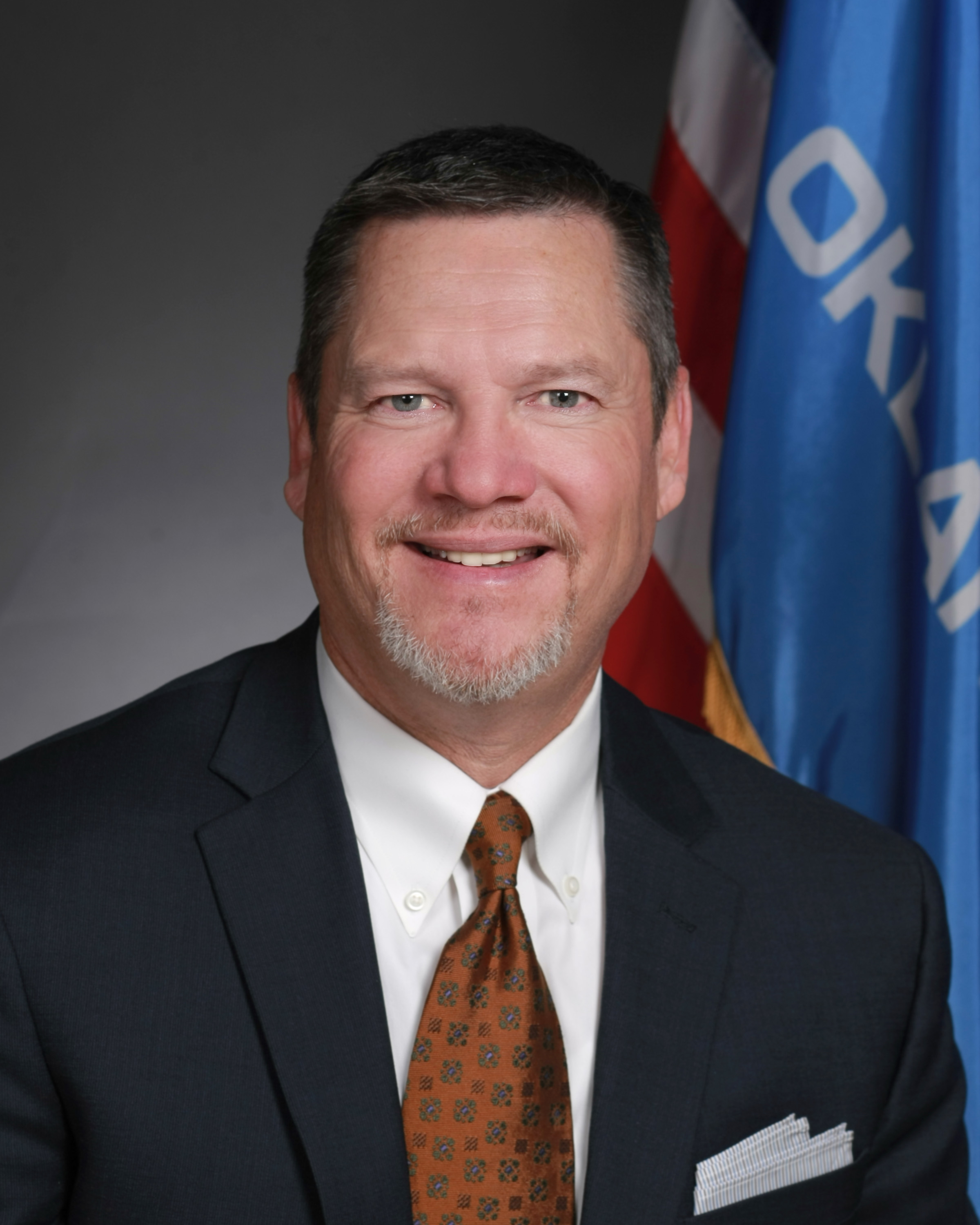
Chuck Hall
Chuck Hall Senate · District 20
R
Strong +
100% 3
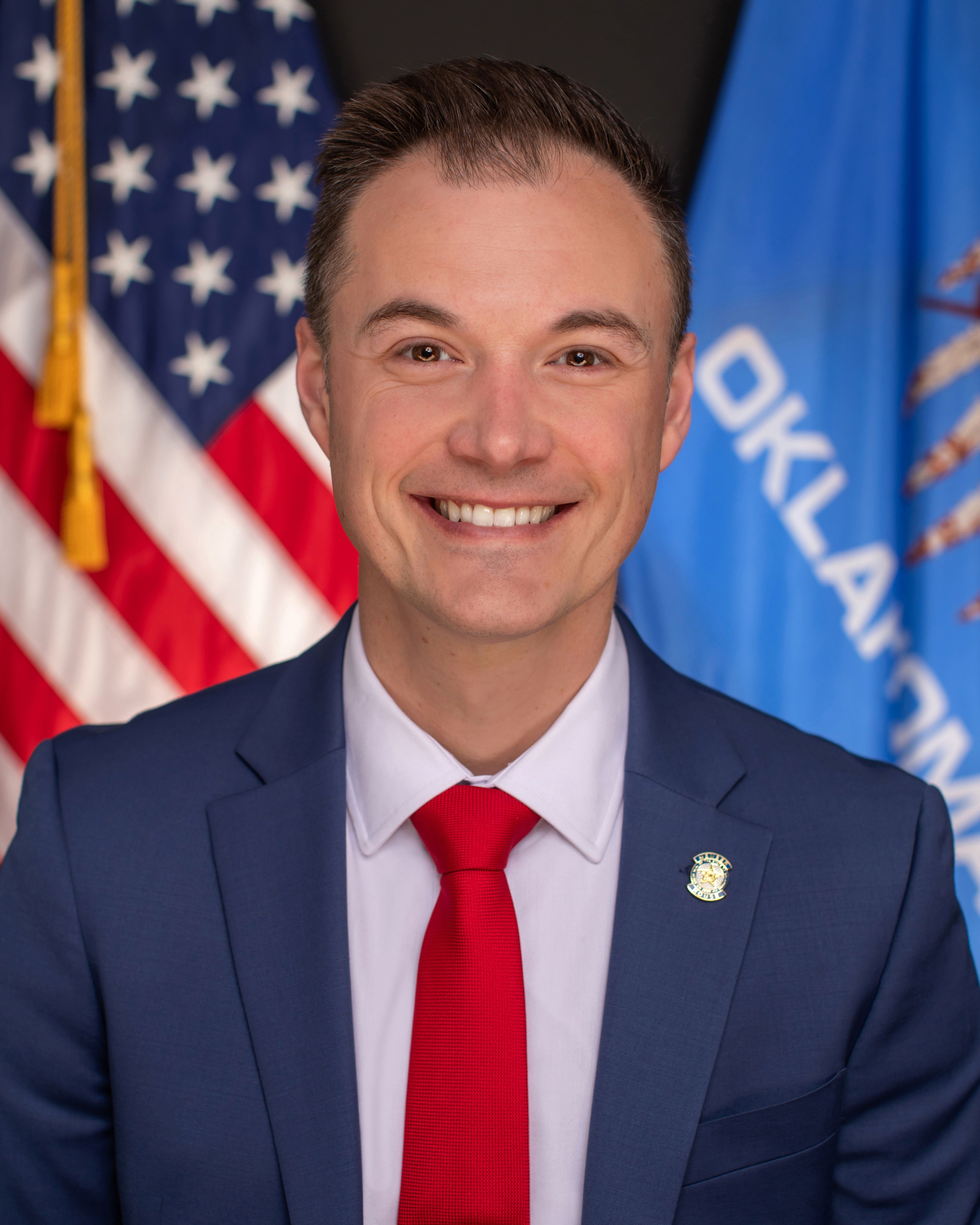
Cody Maynard
Cody Maynard House · District 21
R
Strong +
100% 3
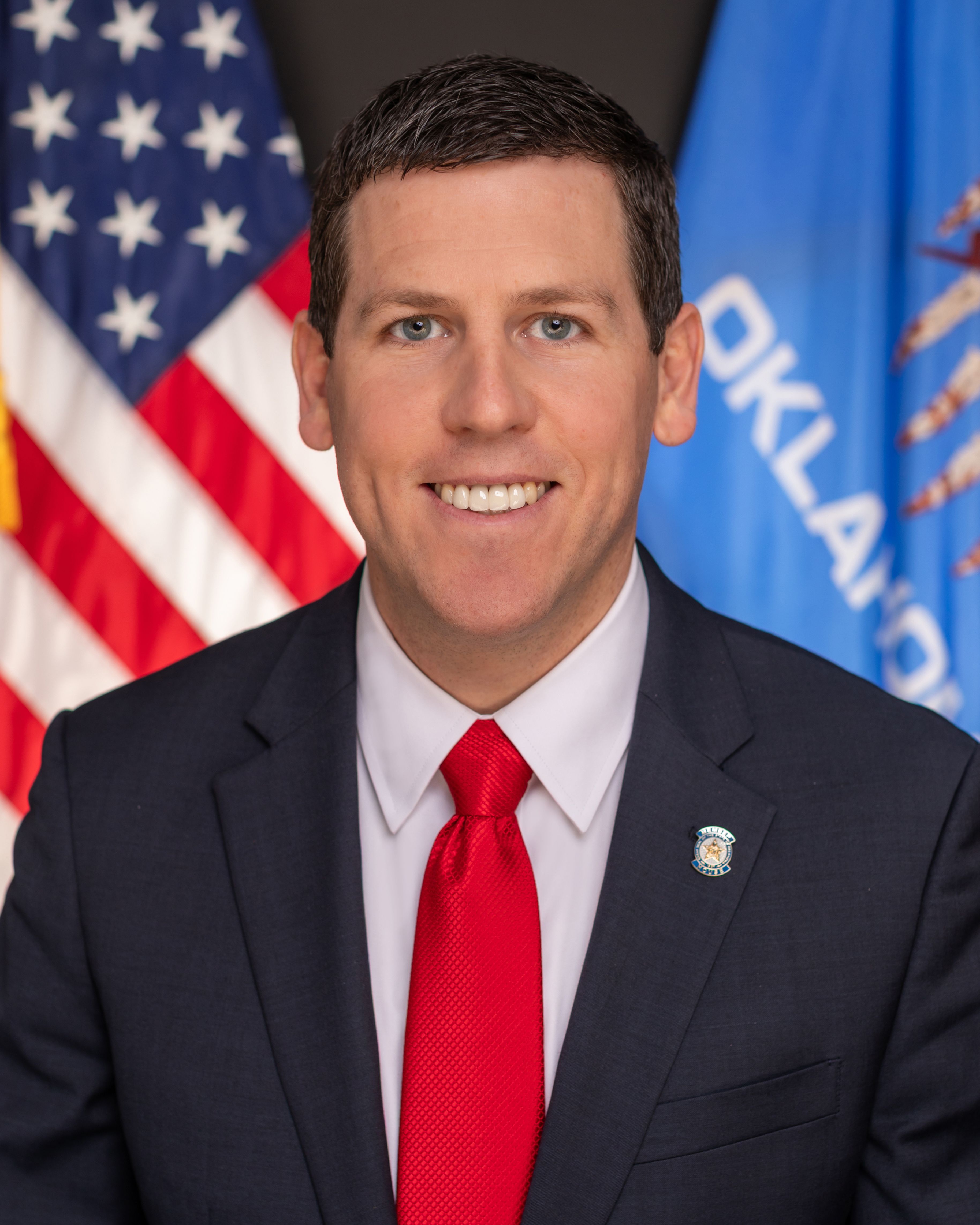
Rob Hall
Rob Hall House · District 67
R
Strong +
100% 3
Showing 1–10 of 12 bills

All technology bills

passed both · Oklahoma · Senate Apr 29, 2026

SB 1521: Artificial intelligence; definitions; requiring operators make certain disclosure; preventative measures for minor account holders; prohibitions; enforcement authority to Attorney General; civil penalty. Effective date.

Oklahoma's SB 1521 prohibits AI chatbots designed to simulate emotional relationships (called "companion" chatbots) if they risk encouraging minors to engage in sexual content, self-harm, or violence. It requires all AI chatbot providers to implement verified age checks using state-issued ID (not just birth dates) before allowing access, and bans minors from using companion chatbots. The bill also mandates that chatbots clearly disclose they are AI at the start of each conversation and every 30 minutes, while restricting data collection and prohibiting the sharing of age verification information. These rules apply to any AI chatbot service operating in Oklahoma, with enforcement by the Attorney General.
in committee · Oklahoma · House Feb 3, 2026

HB 4356: Social media; social networks; minors; verification; effective date.

HB 4356 requires social media platforms accessed by Oklahoma minors under 16 years old to verify users' ages before allowing account creation or access. It prohibits platforms from using "dark patterns" (manipulative design) to bypass age checks and bans third-party vendors from retaining minors' personal data. The law exempts email services, gaming platforms, educational tools, and other non-social media services from these requirements. It applies to platforms operating in Oklahoma that connect users socially through features like infinite scrolling or algorithm-driven content.
in committee · Oklahoma · House Feb 3, 2026

HB 4083: Technology; deployers; AI chatbots; minors; age verification systems; emergency situations; effective date.

HB 4083 restricts AI chatbots from offering human-like features (such as pretending to feel emotions or build emotional bonds) to users under 18. It requires chatbot companies to implement age verification systems to prevent minors from accessing these features and mandates safety systems to detect emergencies like self-harm. Therapeutic chatbots providing mental health support may be available to minors only if approved by a licensed professional, with clear disclaimers and clinical evidence of safety. Violations can result in fines up to $7,500 per intentional violation, enforced by the Attorney General or affected minors.
in committee · Oklahoma · Senate Feb 12, 2026

SB 1871: Social media; requiring certain age verification; mandating the segregation of certain user data; requiring certain parental consent. Emergency.

SB 1871 requires social media platforms operating in Oklahoma to verify the age of users using state-issued ID (not just birth dates) and obtain parental consent for users under 18. Platforms must segregate minors' personal data, set default privacy settings to restrict visibility to "connected accounts" (like family/friends), disable search indexing of minor profiles, and limit data sharing. It mandates platforms to freeze existing accounts and verify ages by a specified deadline, with strict security measures for minor user data. The bill directly affects all social media platforms serving Oklahoma residents, minors under 18, and their parents/guardians who must provide consent.
in committee · Oklahoma · Senate Feb 3, 2026

SB 1972: Internet; creating the Oklahoma Children's Internet Protection Act. Effective date.

SB 1972, the Oklahoma Children's Internet Protection Act, requires online platforms (interactive computer service providers) to obtain parental or guardian consent before entering contracts with minors under 18. It prohibits platforms from sharing minors' personal information - including names, images, location data, or likeness - without this consent. Platforms must verify parental consent through specific methods like signed forms, video calls, or verified email. Violations can result in civil penalties enforced by the Oklahoma Attorney General.
passed · Oklahoma · House Apr 21, 2026

HB 3544: Technology; artificial intelligence; companions; minors; safety; civil penalties; effective date.

HB 3544 prohibits AI chatbots with human-like features (e.g., claiming sentience or seeking emotional bonds) from being available to minors under 18. It requires developers to implement age verification systems and offer alternative versions without such features for minors. Therapeutic chatbots providing mental health support are exempt if they include clear disclaimers, require professional oversight, provide clinical evidence of safety, and maintain transparency. Violations could result in civil penalties up to $7,500 per intentional violation, with minors or parents able to seek damages of $100-$750 per incident. The law takes effect November 1, 2026.
in committee · Oklahoma · Senate Mar 3, 2025

SB 838: Social media; prohibiting certain accounts for users under a certain age. Effective date.

SB 838 prohibits social media platforms from allowing users under 16 years old to create or maintain accounts. Platforms must implement reasonable age verification and delete existing accounts of under-16 users within six months of the law's November 1, 2025 effective date. Exceptions apply to educational/healthcare platforms and text messaging services. The Oklahoma Attorney General can enforce the law through civil actions.
died · Oklahoma · House Feb 10, 2025

HB 1762: Children; covered entities; data protection impact assessment; personal data of children; Attorney General; effective date.

HB 1762 requires online services targeting Oklahoma children (defined as under 18) to conduct data protection impact assessments and design products in the "best interest of children." It prohibits covered entities (online services processing children's data) from using "dark patterns" to manipulate choices, collecting excessive data, or processing data in ways that could cause physical, emotional, or privacy harm. The law mandates age-appropriate default privacy settings, bans selling or sharing precise geolocation data without consent, and clarifies that de-identified data or public information is excluded. It explicitly states the law does not create private lawsuits for violations or apply to services not reasonably likely to be accessed by children.
in committee · Oklahoma · Senate Mar 4, 2025

SB 931: Social media; requiring certain age verification; requiring social media platforms to provide certain supervisory tools. Effective date.

This bill (SB 931) proposes requiring social media platforms to implement age verification systems and provide specific parental supervisory tools. The title indicates it aims to protect minors by restricting access to certain content based on age and giving parents control over their children's accounts. However, the provided context includes no bill text, detailed provisions, or specific mechanisms (e.g., how verification would work or what tools would be required). The bill is currently pending in committee (Technology and Telecommunications) with no substantive details available in the provided summary. Without the full bill text, concrete policy changes cannot be described.
in committee · Oklahoma · House Feb 4, 2025

HB 1403: Schools; requiring school districts to offer a parent seminar on a range of youth protection topics; effective date; emergency.

HB 1403 requires Oklahoma public school districts to offer free annual parent seminars covering substance abuse prevention, bullying, mental health awareness, and internet safety (including pornography addiction). These seminars must occur after 6:00 p.m. at least once yearly in a school building and are available to all parents at no cost. School districts may use their own curriculum or adopt the State Board of Education's approved curriculum, but may opt out if their board deems the topics unimportant to families - requiring written justification to the State Board. The State Board must report on implementation progress, attendance, and opt-out reasons to the Legislature by November 2025 and July 2026, with the bill effective July 1, 2025.
Showing 1 to 10 of 12 bills
1 2 Next