Issue · Labor & Employment

Labor & Employment (Public Employees)

Every labor & employment bill, vote, and legislator stance in Oklahoma, automatically classified by Maddy, our AI policy reader.

Total bills
24
2026 Regular Session
Top supporter
Julia Kirt
100% support rate
Top opponent
Derrick Hildebrant
0% support rate
Ranked legislators
10
5 support · 5 oppose
Key legislators

Who's moving public employees in Oklahoma

Legislators moving public employees in Oklahoma
Legislator Party Stance Support rate Votes
Julia Kirt
Julia Kirt Senate · District 30
D
Strong +
100% 5
Mary Boren
Mary Boren Senate · District 16
D
Strong +
100% 5
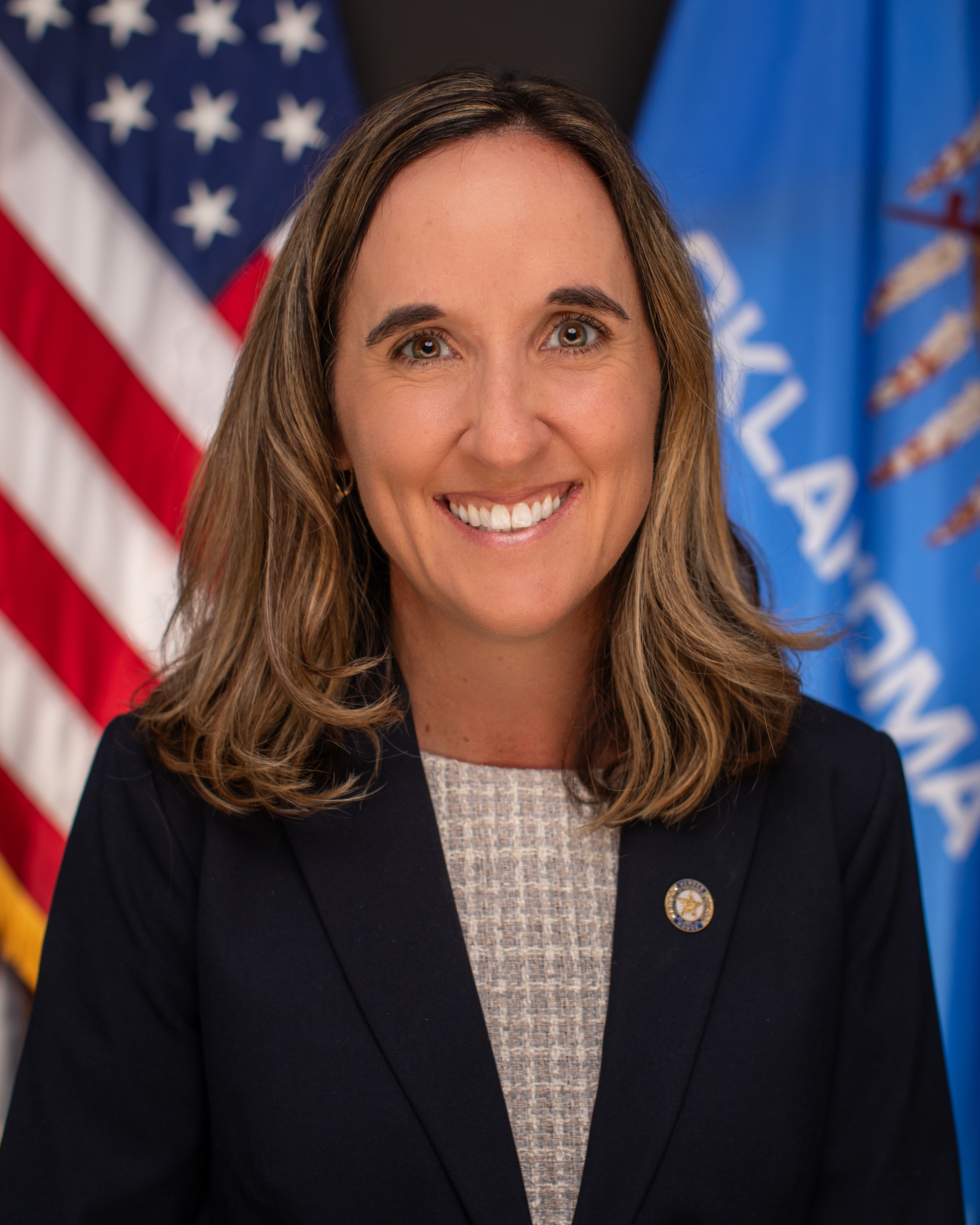
Ken Luttrell
Ken Luttrell House · District 37
R
Strong +
83% 6
Danny Williams
Danny Williams House · District 28
R
Strong +
80% 5
Ellen Pogemiller
Ellen Pogemiller House · District 88
D
Support
75% 8
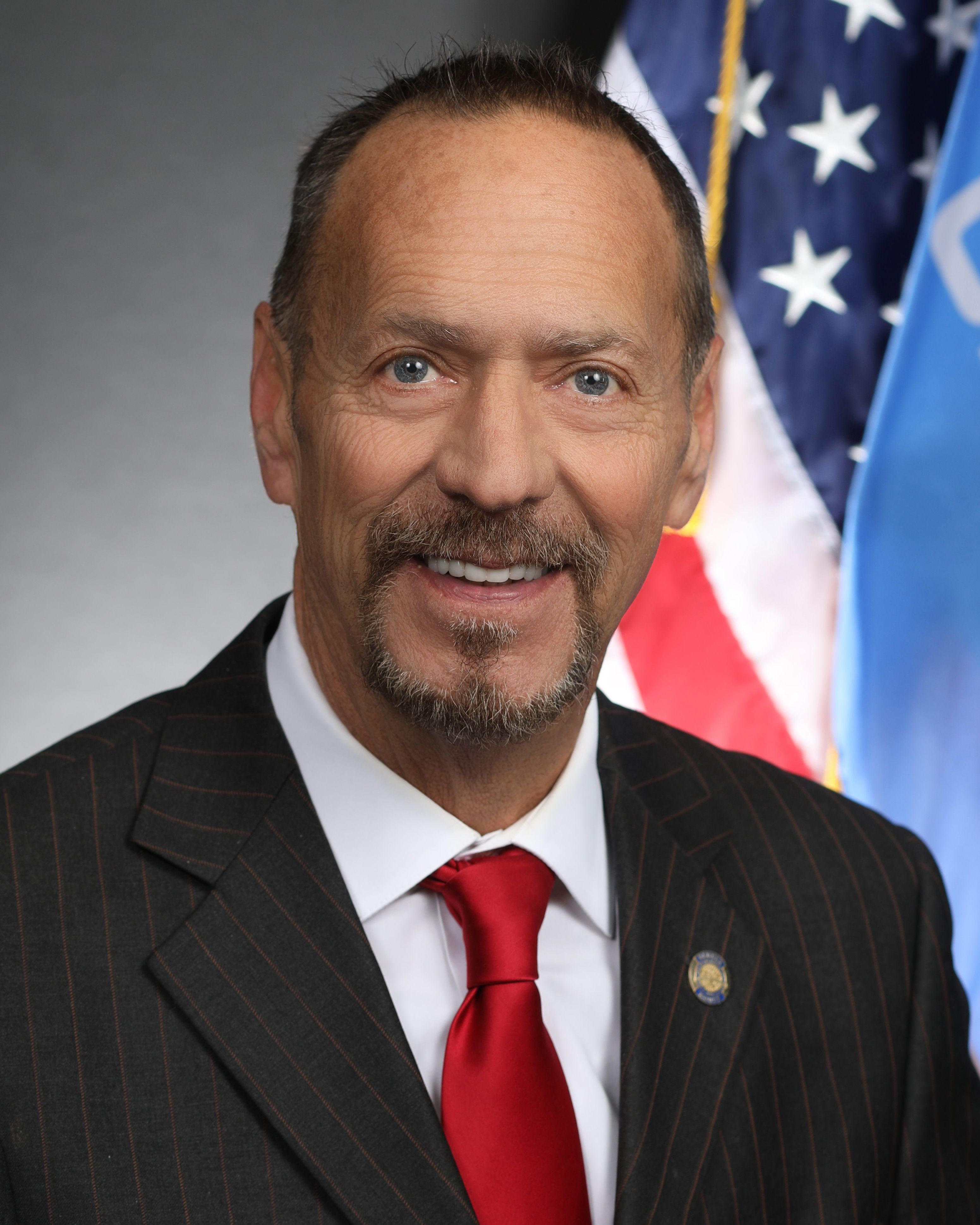
Derrick Hildebrant
Derrick Hildebrant House · District 23
R
Strong −
0% 6
Rande Worthen
Rande Worthen House · District 64
R
Strong −
0% 6
Dell Kerbs
Dell Kerbs House · District 26
R
Strong −
0% 5
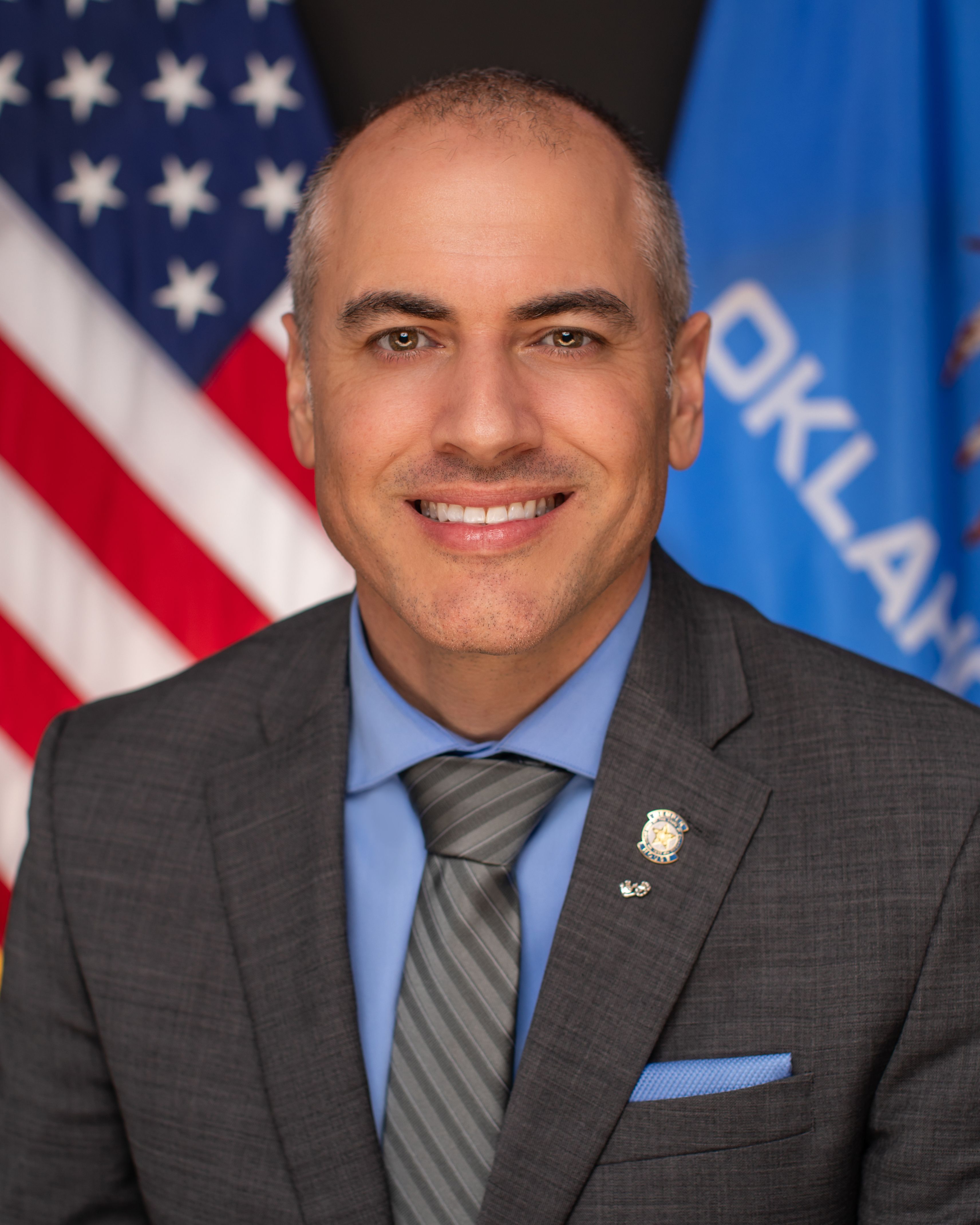
Julie McIntosh
Julie McIntosh Senate · District 3
R
Strong −
0% 5
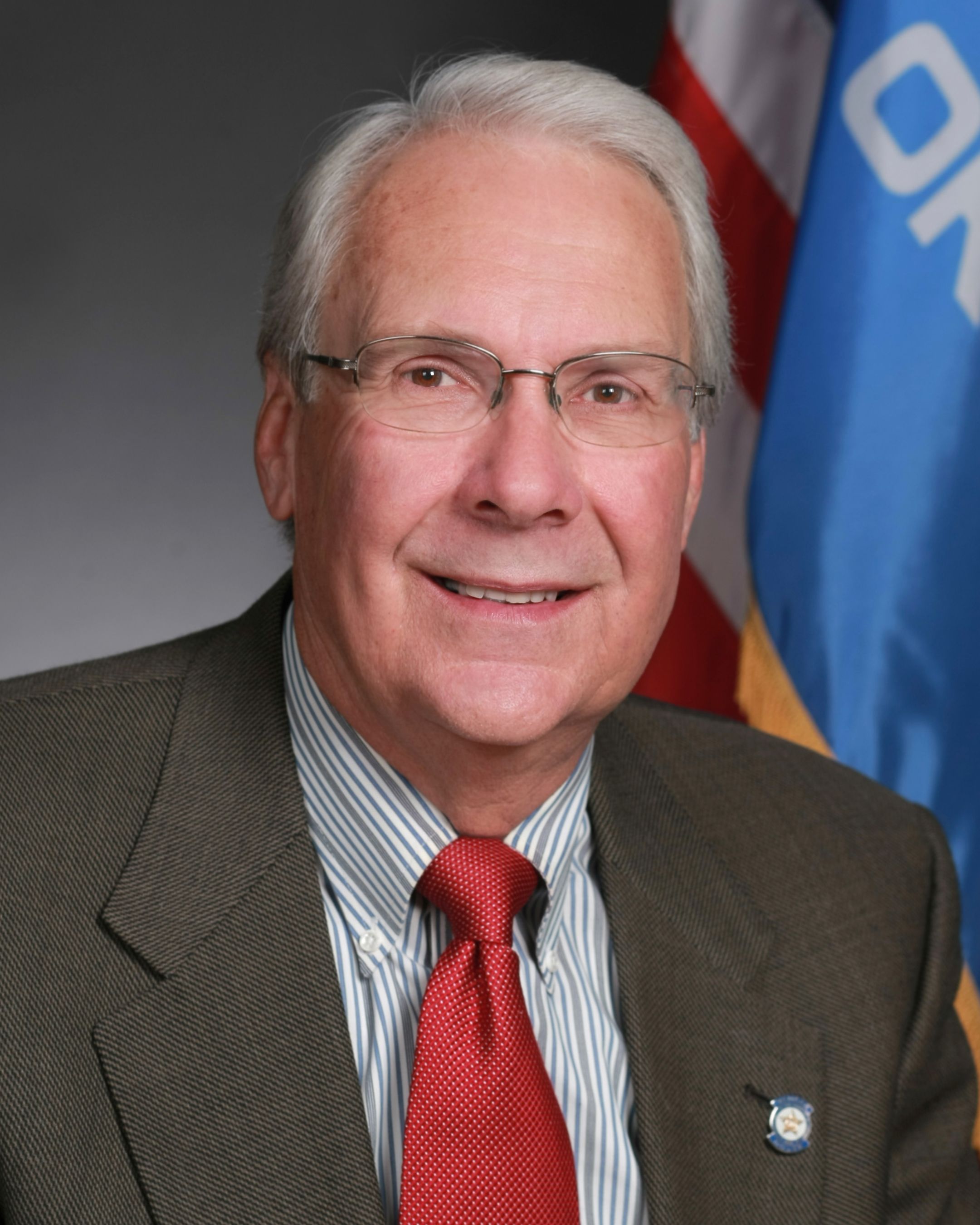
Brian Hill
Brian Hill House · District 47
R
Strong −
0% 3
Showing 21–24 of 24 bills

All labor & employment bills

in committee · Oklahoma · Senate Feb 4, 2025

SB 724: Labor; creating the Expanding Public Sector Career Opportunities Act; prohibiting public employers from certain hiring practices. Effective date.

SB 724, the "Expanding Public Sector Career Opportunities Act," prohibits Oklahoma public employers (state, county, and municipal agencies) from rejecting job applicants solely for lacking a postsecondary degree. Instead, employers must set baseline requirements focused on direct work experience or specific certifications, allowing up to 9 years of experience to substitute for a doctoral degree. The bill requires employers to justify degree requirements in job postings and provides applicants a written notice and appeal process to the Office of Management and Enterprise Services if rejected for lacking a degree. It aims to broaden hiring opportunities by reducing unnecessary educational barriers while maintaining role-specific skill requirements. The law takes effect November 1, 2025.
Sub-Topics Public Employees
in committee · Oklahoma · Senate Feb 25, 2025

SB 90: Oklahoma Public Employees Retirement System; providing for benefit increase.

SB 90 provides a 5% benefit increase for retirees in several Oklahoma public employee retirement systems, including firefighters, police officers, judges, law enforcement, teachers, and general public employees. This applies to those receiving benefits as of June 30, 2025, and continuing to receive them after the bill's effective date (July 1, 2026). The bill includes offset provisions for certain pre-1981 retirees: their increases may be partially reduced based on changes to firefighter or police officer base salaries. The policy directly affects current retirees in these specific systems without altering the core benefit structure for most recipients.
passed · Oklahoma · House Apr 17, 2025

HB 1729: Oklahoma Public Employees Retirement System; postretirement employment; limitations; codification; effective date.

HB 1729 codifies rules for Oklahoma retirees working for state or local government after retirement. It prohibits retirement benefits for months when retirees earn above Social Security’s annual wage limit from government positions (with exceptions for jury duty, witness testimony, or similar roles). Employers must notify the Oklahoma Public Employees Retirement System (OPERS) when retirees return to work, and retirees have specific options for recalculating benefits upon reemployment. The bill also prohibits rehiring retirees by their former employers for one year after retirement.
vetoed · Oklahoma · House May 29, 2025

HB 1138: Law enforcement; modifying duties of the Human Capital Management Division and the Civil Service Division of the Office of Management and Enterprise Services; effective date.

HB 1138 creates a State Employee Dispute Resolution Program for Oklahoma state employees, requiring the Human Capital Management and Civil Service Divisions to handle complaints about disciplinary actions like terminations, suspensions, or written reprimands. It mandates mediation for most disputes before hearings, establishes an Office of Veterans Placement, and creates a confidential whistleblower program for reporting mismanagement or fraud involving state funds. The bill sets strict timelines (10 days to file complaints, 30 days for hearings) and requires quarterly reports on case volumes to state leadership. It directly affects most state employees but excludes elected officials, judges, certain political appointees, and employees in specific categories like temporary or seasonal roles. The law also shifts all state employee positions to be administered by the Human Capital Management Division without prior classified/unclassified distinctions.
Sub-Topics Public Employees
Showing 21 to 24 of 24 bills