Issue · Labor & Employment

Labor & Employment (Collective Bargaining)

Every labor & employment bill, vote, and legislator stance in Oklahoma, automatically classified by Maddy, our AI policy reader.

Total bills
13
2026 Regular Session
Top supporter
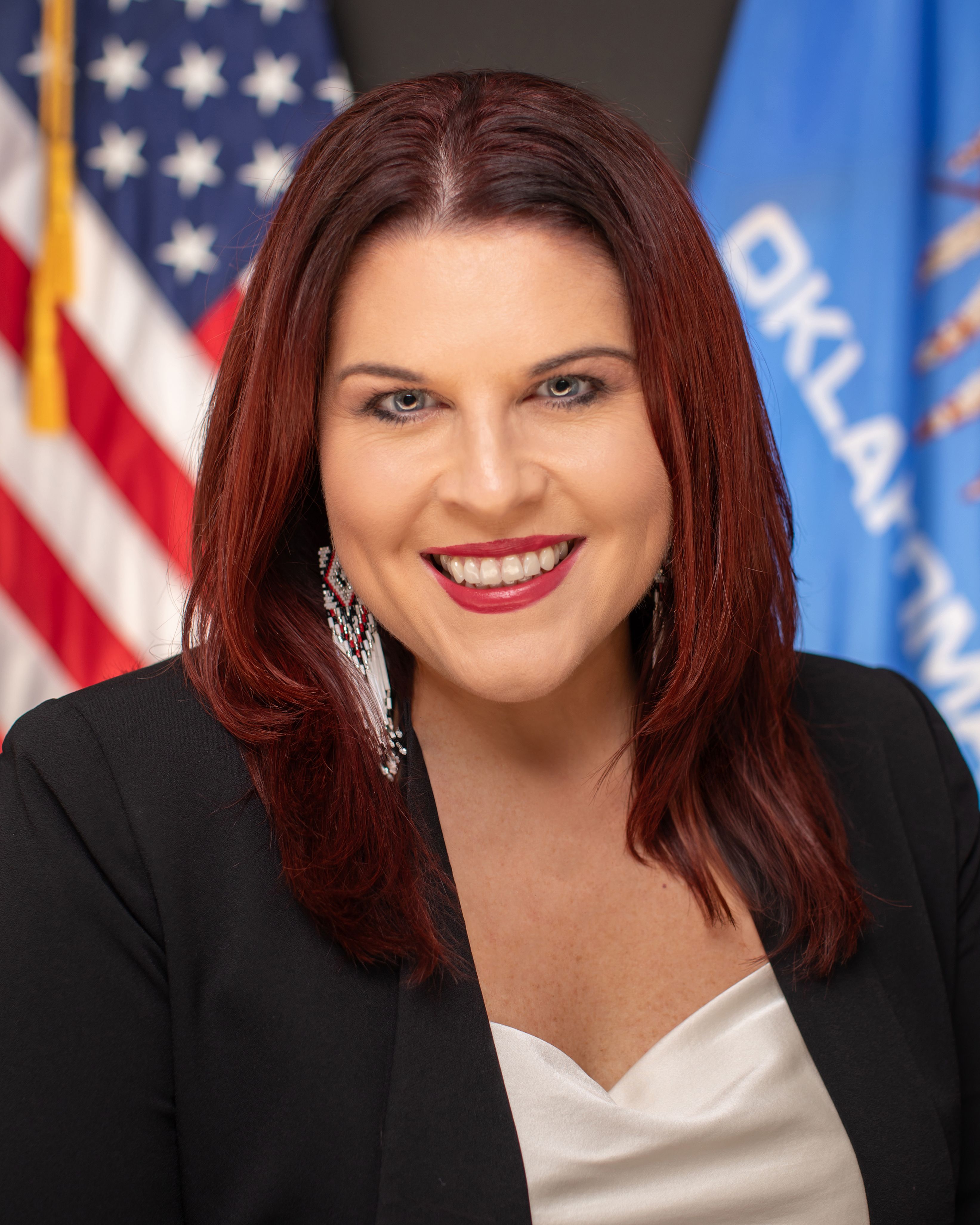
Eric Roberts
100% support rate
Top opponent
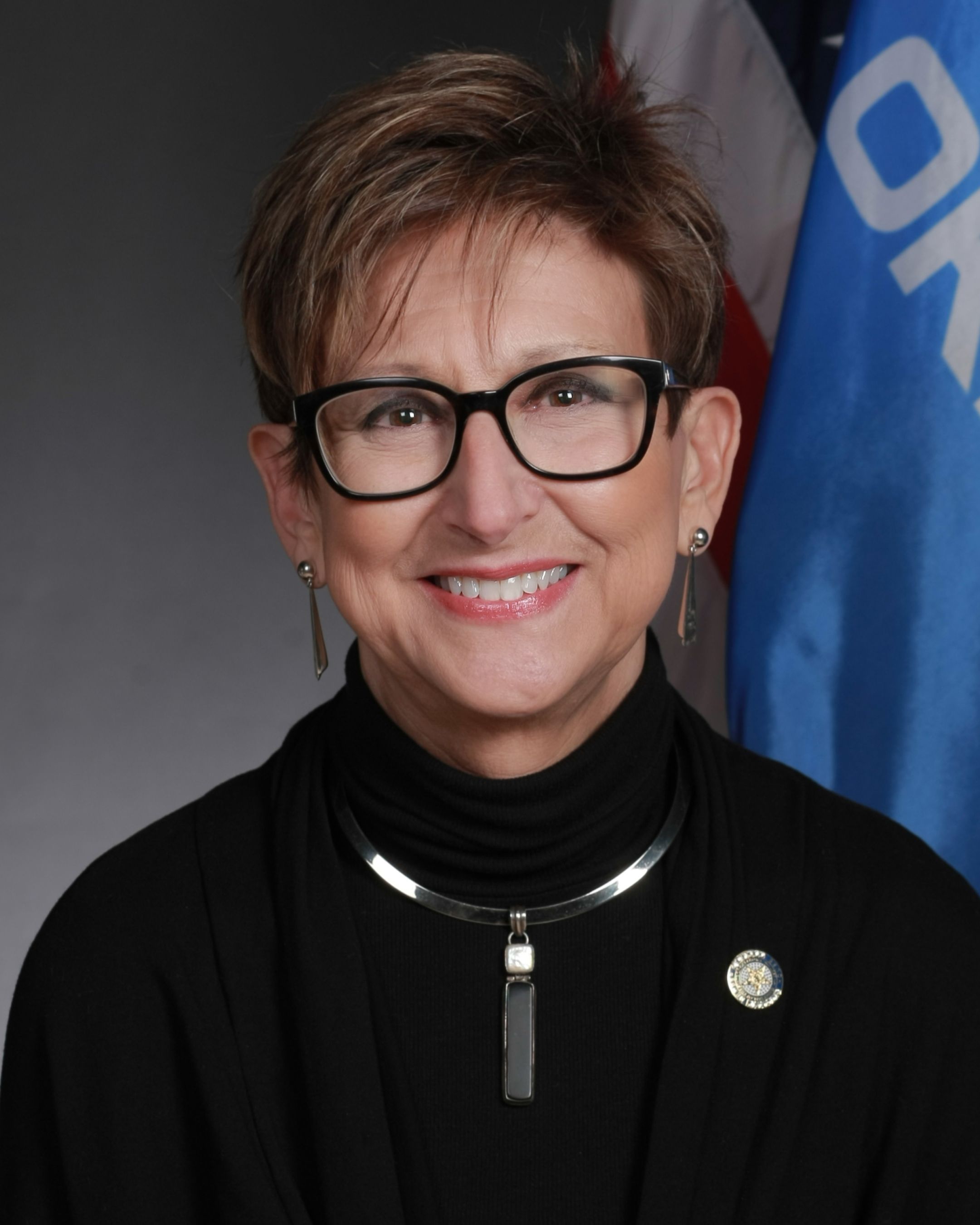
Cyndi Munson
0% support rate
Ranked legislators
10
5 support · 5 oppose
Key legislators

Who's moving collective bargaining in Oklahoma

Legislators moving collective bargaining in Oklahoma
Legislator Party Stance Support rate Votes
Eric Roberts
Eric Roberts House · District 83
R
Strong +
100% 6
Brad Boles
Brad Boles House · District 51
R
Strong +
100% 5
Jim Olsen
Jim Olsen House · District 2
R
Strong +
100% 5
Mark Lepak
Mark Lepak House · District 9
R
Strong +
100% 5
Stacy Adams
Stacy Adams House · District 50
R
Strong +
100% 5
Cyndi Munson
Cyndi Munson House · District 85
D
Strong −
0% 4
Meloyde Blancett
Meloyde Blancett House · District 78
D
Strong −
0% 4
Aletia Timmons
Aletia Timmons House · District 97
D
Strong −
0% 3
Amanda Clinton
Amanda Clinton House · District 71
D
Strong −
0% 3
Carri Hicks
Carri Hicks Senate · District 40
D
Strong −
0% 3
Showing 1–10 of 13 bills

All labor & employment bills

in committee · Oklahoma · House Feb 3, 2026

HJR 1085: Oklahoma constitution; right to work; repeal; ballot title; filing.

HJR 1085 is a procedural resolution directing Oklahoma voters to decide on repealing Section 1A of Article XXIII (the state's "right to work" constitutional provision) through a ballot referendum. It requires the Secretary of State to place the repeal proposal on the ballot with a specific title explaining it would remove the "right to work" constitutional language. The resolution sets the ballot language to ask voters: "SHALL THE PROPOSAL BE APPROVED?" with "YES" and "NO" options. This bill does not change Oklahoma law but initiates a voter approval process for a constitutional amendment. The resolution was introduced by Representative Deck and referred to the Rules Committee on February 3, 2026.
passed · Oklahoma · Senate May 7, 2026

SB 1884: School employees; modifying the access statewide professional educators' associations have to school employees; allowing termination of certain membership at any time. Effective date. Emergency.

SB 1884 ensures school districts grant statewide professional educators' associations (like teacher unions) equal access to school employees for activities such as distributing materials, speaking at meetings, and using school facilities. It prohibits schools from conditioning this access on fees, meals, or donations and requires districts to notify the State Board of Education if access is denied within 15 days. The bill also allows school employees to terminate membership in these associations at any time without restrictions or requiring a reason, and invalidates any existing agreements that limit this right. These changes take effect July 1, 2026, applying directly to school employees and educators' associations in Oklahoma.
in committee · Oklahoma · House Feb 3, 2026

HB 4452: School employees; prohibiting specified existing organizations from continuing to represent employees; modifying prohibition against payroll deductions on behalf of certain employees; effective date; emergency.

HB 4452 requires Oklahoma school districts to hold secret ballot elections every three years to determine if existing employee organizations (like teacher unions) can continue representing school staff. If a majority of employees vote against the current organization, the school district must stop recognizing it as the bargaining representative, though existing contracts remain in effect until their term ends. The bill also prohibits school districts from making payroll deductions for organizations that collectively bargain with schools, while allowing deductions for other professional groups. This directly affects school employees, current bargaining organizations, and school districts managing labor relations. The elections must occur between August 1 and December 1 annually, with specific rules for voting and ballot challenges.
passed · Oklahoma · Senate Apr 7, 2026

SB 1937: Labor organizations; prohibiting certain employers from receiving economic development incentives. Effective date.

SB 1937 prohibits employers who engage in specific labor practices from receiving Oklahoma's economic development incentives (such as grants, loans, or tax credits). It directly affects employers seeking these incentives by banning: (1) granting union recognition based solely on signed cards instead of secret ballot elections, (2) sharing employee contact information without consent, (3) signing neutrality agreements with unions, and (4) requiring subcontractors to violate these rules. Employers found violating these provisions must repay all incentives received for the project. The bill exempts existing agreements before its November 1, 2026, effective date and employers with current collective bargaining agreements.
Sub-Topics Collective Bargaining Tags Economic Development
in committee · Oklahoma · House Feb 3, 2026

HB 4481: Labor; public employees; collective bargaining; effective date.

HB 4481 establishes a statutory right for all Oklahoma public employees (including state, county, and municipal workers) to form unions, negotiate collectively over wages and working conditions, and engage in protected concerted activities. The bill explicitly guarantees employees the right to join or assist labor organizations without employer interference, while also affirming their right to decline participation in such activities. Key provisions require employers to recognize and bargain with elected employee representatives on terms of employment, mirroring federal labor protections. The law takes effect on November 1, 2026.
signed · Oklahoma · House May 4, 2026

HB 3086: Prisons and reformatories; Corrections Act of 1967; expanding powers and duties of the State Board of Corrections; effective date.

HB 3086 requires Oklahoma's State Board of Corrections to approve the Director's authority over prisoners' discipline and work programs. It specifically creates a Construction Division within the Department of Corrections for inmate work crews and prohibits inmates in this program from forming unions, striking, or engaging in collective bargaining. The bill also mandates Board approval for the Director to appoint staff, accept funding, or establish policies governing prison operations. These changes primarily affect prisoners working in the Construction Division and correctional staff managing prison programs.
passed · Oklahoma · House Apr 1, 2026

HB 4253: School employees; professional educators' association access; equal access.

HB 4253, the "Taxpayer Dollars Protect Workers Act," requires businesses receiving Oklahoma's economic development incentives (such as tax credits, grants, or job creation programs) to comply with specific labor practices. It prohibits employers from bypassing secret ballot elections for union representation, sharing employee contact information with unions without written consent, or signing neutrality agreements that prevent them from discussing union issues with workers. The law applies to all projects funded by state incentives and forbids employers from requiring subcontractors to violate these rules. Violations may result in the state recovering funds, with reports investigated by the Attorney General.
in committee · Oklahoma · House Mar 5, 2025

HB 1627: Cities and towns; unfair labor practices; Public Employees Relations Board; procedures; arbitration; fees and expenses; effective date.

HB 1627 modifies Oklahoma's process for resolving unfair labor practice disputes involving public employees in cities and towns. It requires written notice of alleged violations within six months and establishes a specific arbitration procedure: each party (employer and union) selects one arbitrator, who then jointly select a third; if they fail, the Federal Mediation Service provides a list for alternating strikes. The bill also changes fee rules, requiring the bargaining agent to cover their selected arbitrator's fees and the employer to cover theirs, while splitting the third arbitrator's fees equally. This applies to interest arbitration, unfair practice disputes, and union representation decisions, effective November 1, 2025.
in committee · Oklahoma · House Feb 4, 2025

HB 2252: Schools; Big Yellow School Bus Act; increase in compensation for certain school support employees; effective date; emergency.

HB 2252 requires Oklahoma school districts to provide a 20% wage increase to school support employees earning less than $80,000 annually for the 2025-2026 school year, if they continue working for the same district. The increase is calculated based on the employee’s 2024-2025 salary and adjusted proportionally for hours worked. This change takes effect on July 1, 2025, and applies in addition to any existing compensation, benefits, or collective bargaining agreements.
in committee · Oklahoma · Senate Mar 4, 2026

SB 481: Public employees; prohibiting certain public employees from engaging in certain actions and using certain resources for certain purposes. Effective date. Emergency,

SB 481 bans public employees (including state, local, and school district workers) from participating in group strikes or work stoppages. It automatically terminates employment, revokes pensions and civil service rights, and revokes teaching certificates for educators who violate the ban. The law explicitly allows individual employees to stop working without group action. This bill takes effect November 1, 2025, and applies broadly across Oklahoma's public workforce.
Showing 1 to 10 of 13 bills
1 2 Next