Issue · Immigration

Immigration

Every immigration bill, vote, and legislator stance in Oklahoma, automatically classified by Maddy, our AI policy reader.

Total bills
113
119th Congress
Top supporter
Alan Armstrong
83% support rate
Top opponent
Josh Brecheen
17% support rate
Ranked legislators
7
2 support · 5 oppose
Key legislators

Who's moving immigration in Oklahoma

Legislators moving immigration in Oklahoma
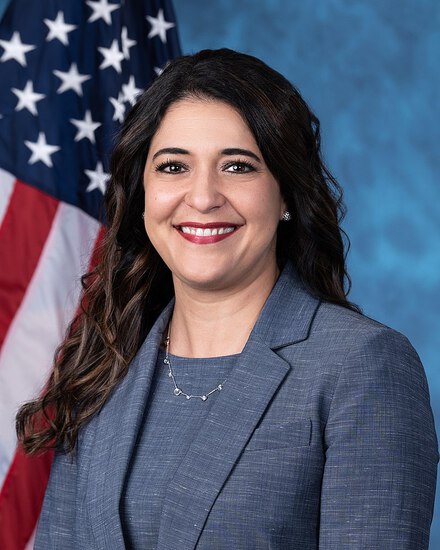
Legislator Party Stance Support rate Votes
AA
Alan Armstrong Senate
R
Strong +
83% 69
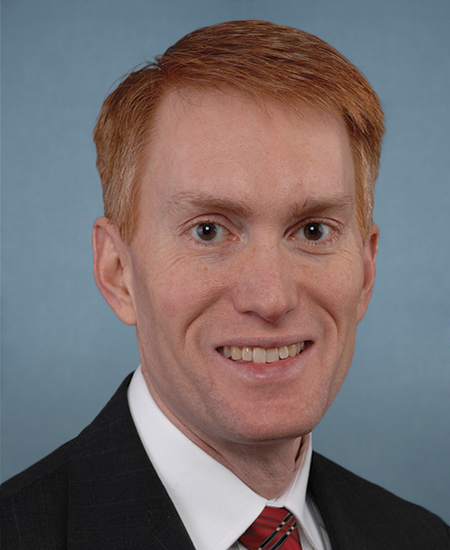
James Lankford
James Lankford Senate
R
Support
70% 179
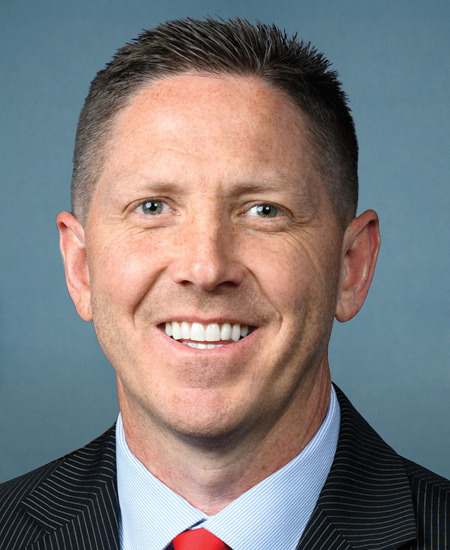
Josh Brecheen
Josh Brecheen House · District 2
R
Strong −
17% 139
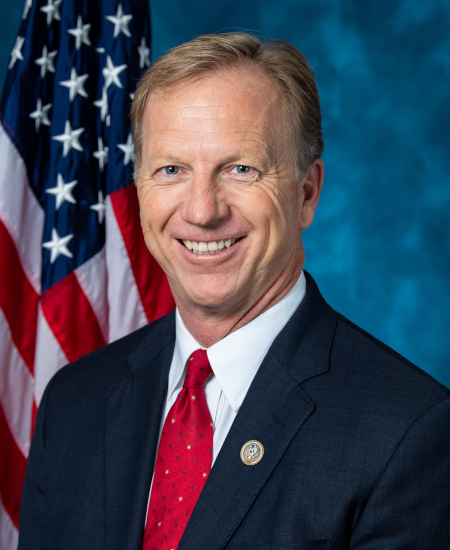
Kevin Hern
Kevin Hern House · District 1
R
Strong −
19% 146
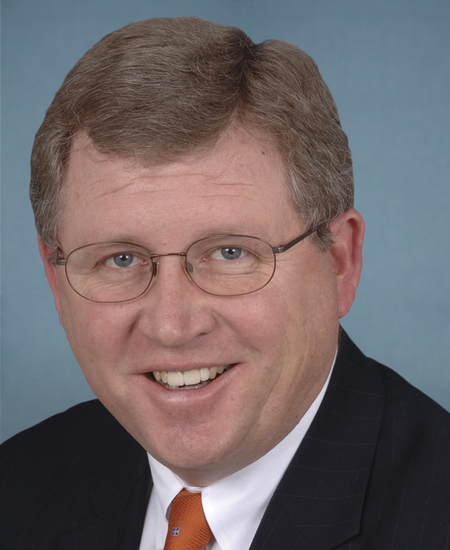
Frank D. Lucas
Frank D. Lucas House · District 3
R
Strong −
19% 149
Stephanie I. Bice
Stephanie I. Bice House · District 5
R
Strong −
19% 147
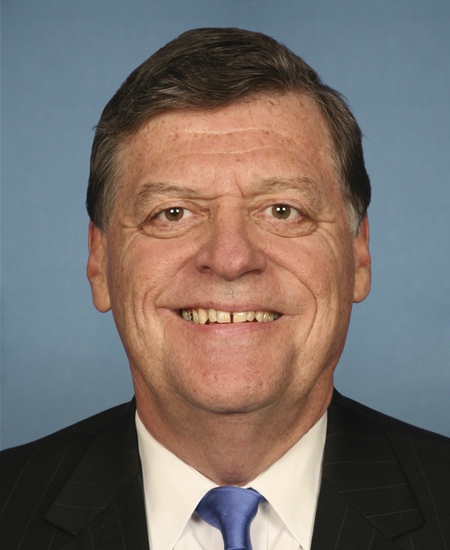
Tom Cole
Tom Cole House · District 4
R
Strong −
19% 148
Showing 1–10 of 113 bills

All immigration bills

passed · United States · House Sep 1, 2026

HRES 1490: Providing for the condemnation and denouncement of socialism in all its forms, and for other purposes.

This resolution states that the House of Representatives condemns and denounces socialism in all its forms, including the Democratic Socialists of America, and opposes the implementation of socialist policies in the United States; reaffirms its support for free, fair, and secure elections and calls for enactment of the SAVE America Act; reiterates that American elections are for American citizens only; and recommits itself to upholding the U.S. Constitution.
in committee · United States · House Sep 2, 2026

HR 10222: No HUD Funding for Sanctuary Cities Act

This bill would prohibit any state or local government designated as a "sanctuary jurisdiction" from receiving grant funds distributed by the Department of Housing and Urban Development (HUD). A jurisdiction is defined as a sanctuary if it has laws, policies, or practices that restrict officials from sharing information about an individual's immigration status or from complying with federal requests to detain or notify about the release of individuals. The funding restriction would apply to grants distributed 180 days after the bill's enactment. To determine which jurisdictions qualify for this ineligibility, the HUD Secretary is required to consult with the Secretary of Homeland Security.
in committee · United States · House Jul 14, 2026

HR 9662: Birthright CLAIM Act of 2026

This bill, known as the Birthright CLAIM Act of 2026, modifies existing laws to restrict automatic citizenship for children born in the United States to parents who are not U.S. citizens or nationals. Under the new rules, a child born to two non-citizen parents would not be considered a citizen at birth if at least one parent is unlawfully present in the country or lacks lawful permanent residency. Additionally, the legislation extends the residency requirements for children born abroad to U.S. citizens, requiring a longer period of continuous residence before the child can claim citizenship. The bill also introduces a paternity verification process where DNA testing is mandatory to confirm a father's identity before the government issues citizenship documents like passports or Social Security numbers. If paternity cannot be verified through this testing, the child would not receive these documents until the verification is complete.
in committee · United States · House Jul 13, 2026

HR 9656: Illegal Alien Patient Reporting Act

This bill requires hospitals that receive federal health care funding to ask patients about their immigration status during admission and report the results to government agencies. Under the law, hospitals must include a specific statement on intake forms assuring patients that their answers will not affect their medical care or lead to a law enforcement report unless the patient is suspected of certain crimes. Hospitals must also submit quarterly reports detailing how many patients are citizens, lawful residents, or undocumented, along with the number of individuals who refused to answer or failed to provide proof of their legal status. The legislation prohibits hospitals from sharing personal identifying information with the government while allowing them to exclude non-compliant facilities from federal programs. Additionally, the bill mandates an annual report to Congress analyzing the costs of uncompensated care for undocumented patients and its impact on hospital services.
in committee · United States · Senate May 21, 2026

S 4620: Mandatory E-Verify Act of 2026

The Mandatory E-Verify Act of 2026 makes the E-Verify employment eligibility verification system permanent and mandatory for all employers in the United States, including those who hire, recruit, or refer individuals for jobs. The bill requires employers to use the system within a phased timeline based on company size, ranging from six months for large businesses with 10,000 or more employees to 18 months for smaller businesses with fewer than 20 employees, while exempting agricultural labor verification until 18 months after enactment. Key provisions include increased civil and criminal penalties for non-compliance, the ability for the government to debar repeat violators from federal contracts, and a requirement that states sharing driver's license data with the system remain eligible for certain federal funding. Additionally, the act establishes a self-check feature for individuals to verify their own status, expands data sharing between federal and state agencies to prevent fraud, and creates a good-faith defense for employers who rely on the system's results.
Sub-Topics Work Authorization
in committee · United States · House May 14, 2026

HR 8827: ASSIMILATION Act

This bill, known as the ASSIMILATION Act, fundamentally restructures the U.S. immigration system by replacing family-based and lottery-based admissions with a merit-based approach that prioritizes economic self-sufficiency and national interest. It directly affects prospective immigrants, current visa holders, and employers by establishing new requirements for entry, employment, and naturalization. Key provisions eliminate the diversity visa lottery, restrict family-sponsored immigration to spouses and minor children, and mandate that all immigrants demonstrate the ability to support themselves without relying on government benefits. The legislation also introduces stricter enforcement measures, such as making visa overstays a criminal offense, expanding E-Verify to all employers, and requiring higher English proficiency and tax compliance for citizenship. Additionally, it tightens asylum rules by adding a transit bar for those passing through other countries and limits parole to specific humanitarian cases rather than broad programs.
in committee · United States · House May 12, 2026

HR 8756: CRUSADE Act

The CRUSADE Act amends immigration law to require applicants for special immigrant visas to explicitly disavow Sharia law. Under this provision, individuals seeking these specific visas must take an additional oath affirming their commitment to uphold the U.S. Constitution. The bill directly affects foreign nationals applying for special immigrant status by adding a new eligibility requirement related to their legal and religious beliefs. This change does not alter the general immigration process but imposes a specific condition on one category of visa applicants.
in committee · United States · Senate Apr 27, 2026

S 4398: CDL Act

The CDL Act requires federally recognized driver's licenses to explicitly state whether the holder is a U.S. citizen or not. This rule applies to all new state-issued licenses and identification cards starting 60 days after the law is enacted. Additionally, the bill sets stricter standards for commercial driver's licenses by mandating that states verify a driver is a U.S. national, a permanent resident, or a specific type of nonimmigrant visa holder before issuing a federally recognized license. These changes directly affect state motor vehicle agencies and individuals seeking or holding driver's licenses.
in committee · United States · House Apr 20, 2026

HR 8387: Measures Against Marxism’s Dangerous Adherents and Noxious Islamists Act of 2026

This bill restricts immigration and naturalization by adding new grounds for inadmissibility and deportation based on membership in or advocacy for specific political ideologies, including socialism, communism, Chinese communism, Marxism, and Islamic fundamentalism. It directly affects foreign nationals and permanent residents by making them ineligible for entry or citizenship if they have affiliated with or promoted these ideologies, with exceptions only for advocacy that occurred before age 14. The law defines these ideologies in detail and designates specific organizations as examples of each category, while also prohibiting court review of determinations made under these provisions. Additionally, the bill expands the grounds for revoking naturalized citizenship and requires the Attorney General to issue regulations implementing these changes.
in committee · United States · House Jan 21, 2026

HR 7169: UBER Act

The UBER Act establishes new federal requirements for ride-sharing and shared-transportation companies to receive government contracts. To qualify, every driver must be at least 21 years old, hold a valid license from a single state, pass a road test, and demonstrate sufficient English proficiency to communicate with the public and read traffic signs, with an exception for drivers who use American Sign Language. Companies that fail to certify that all their drivers meet these standards will be banned from federal contracts for five years.
Showing 1 to 10 of 113 bills
1 2 3 12 Next