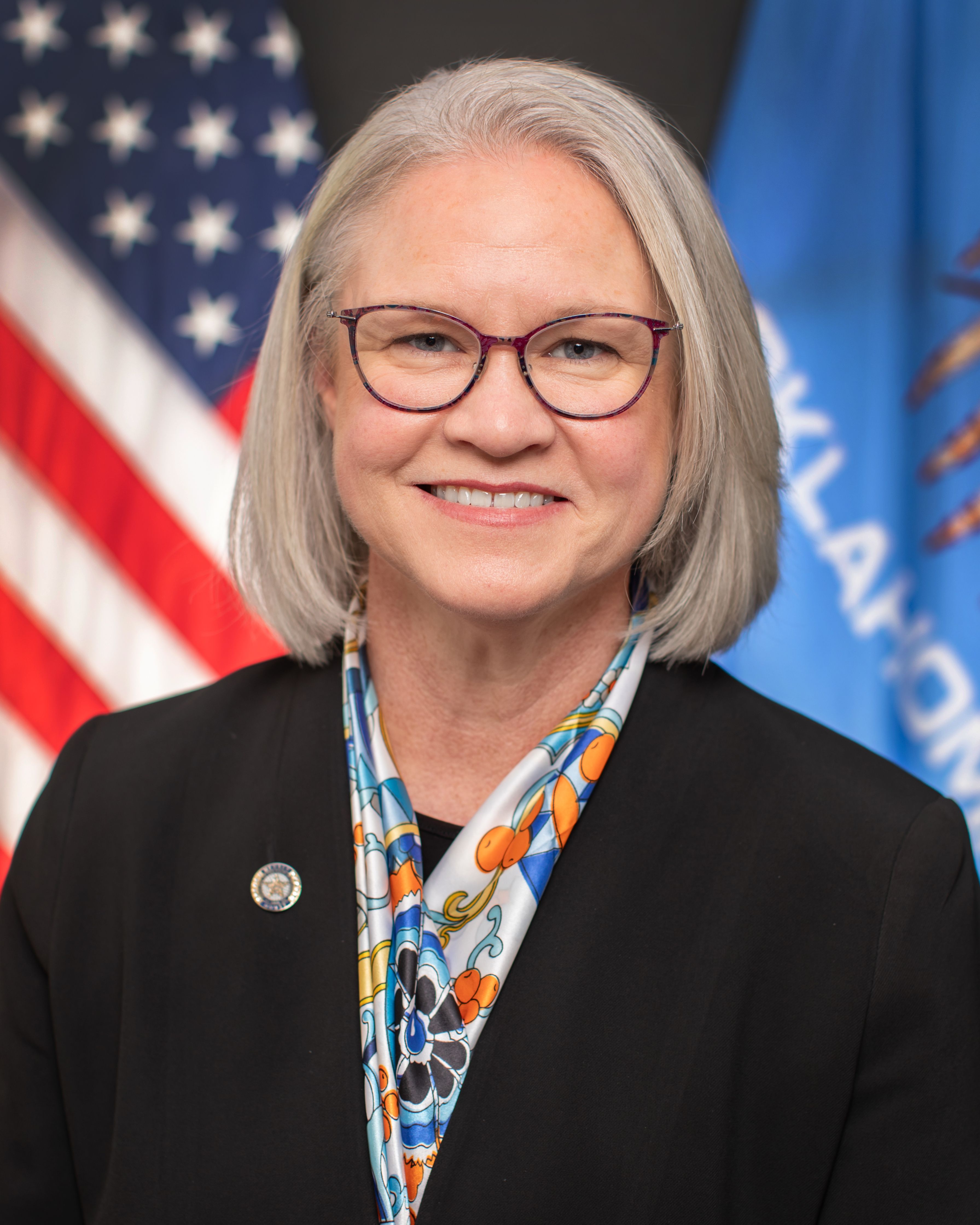
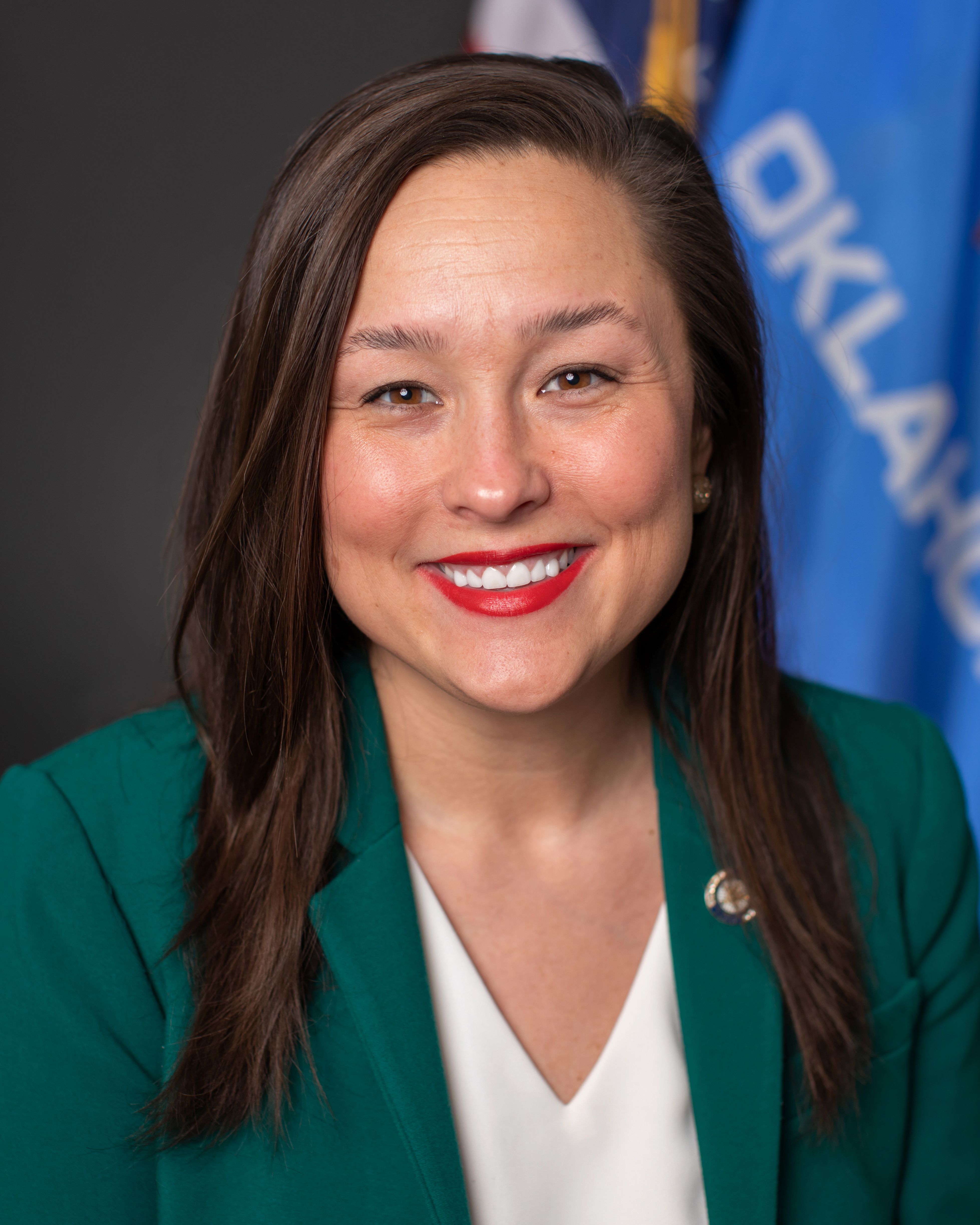
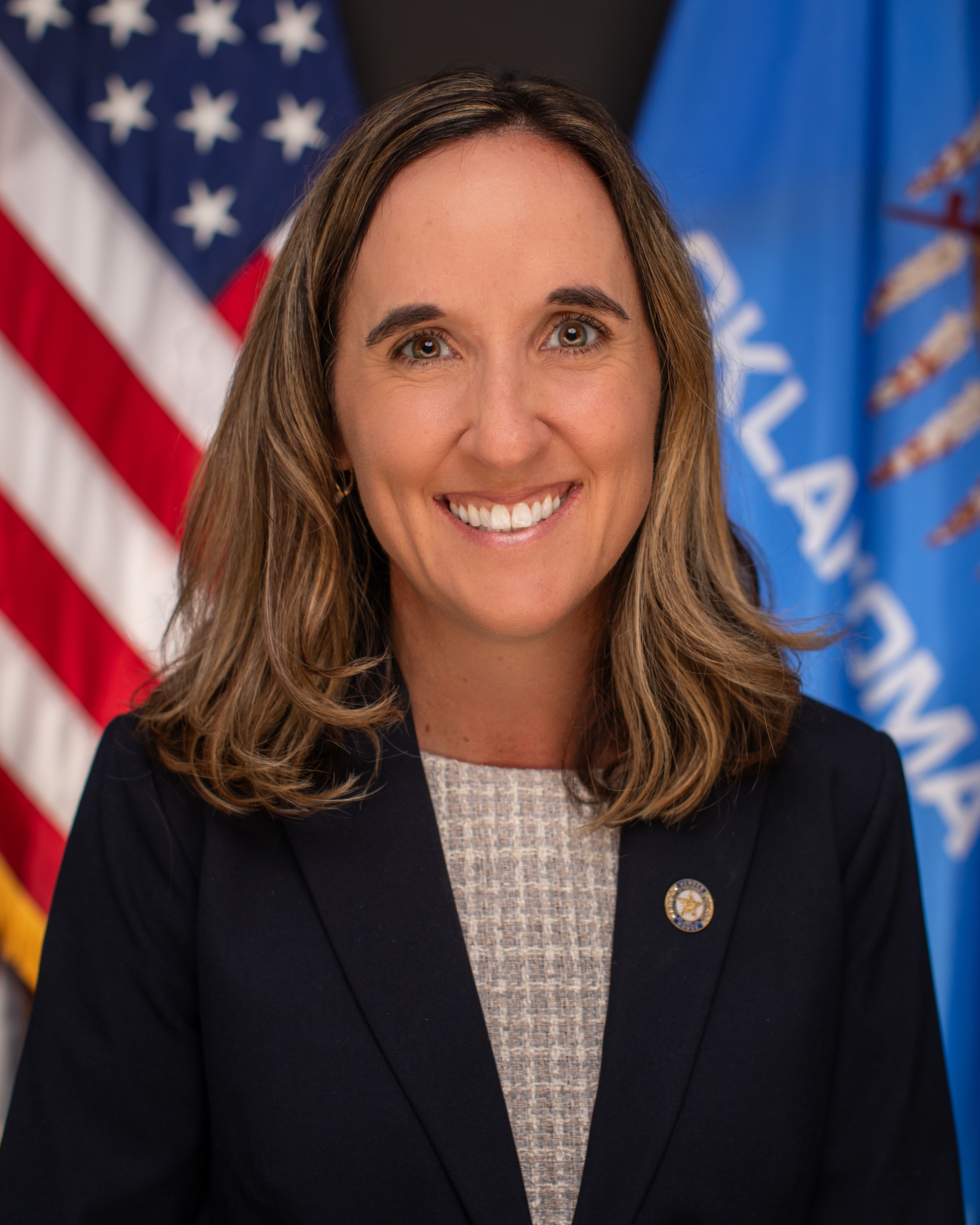
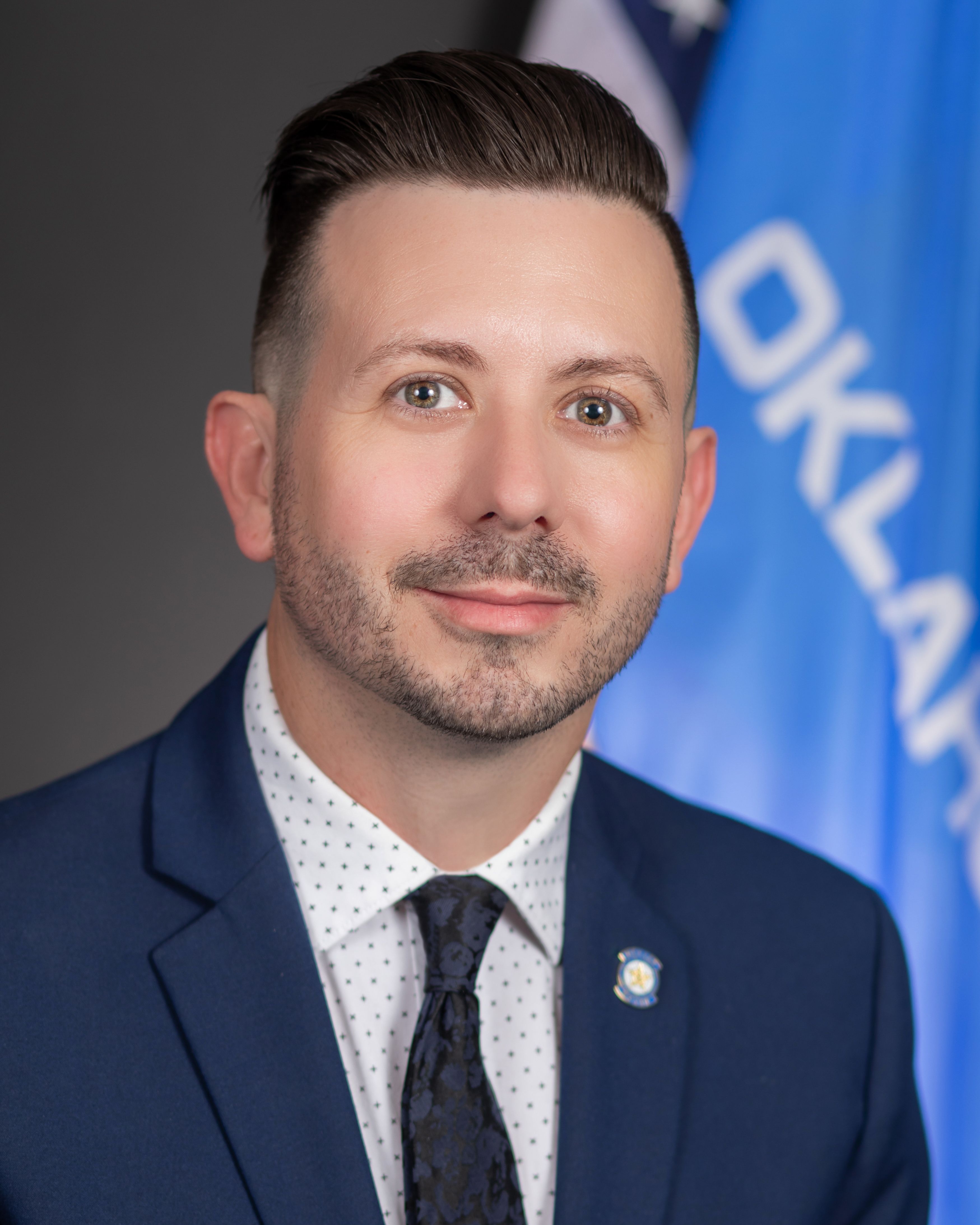
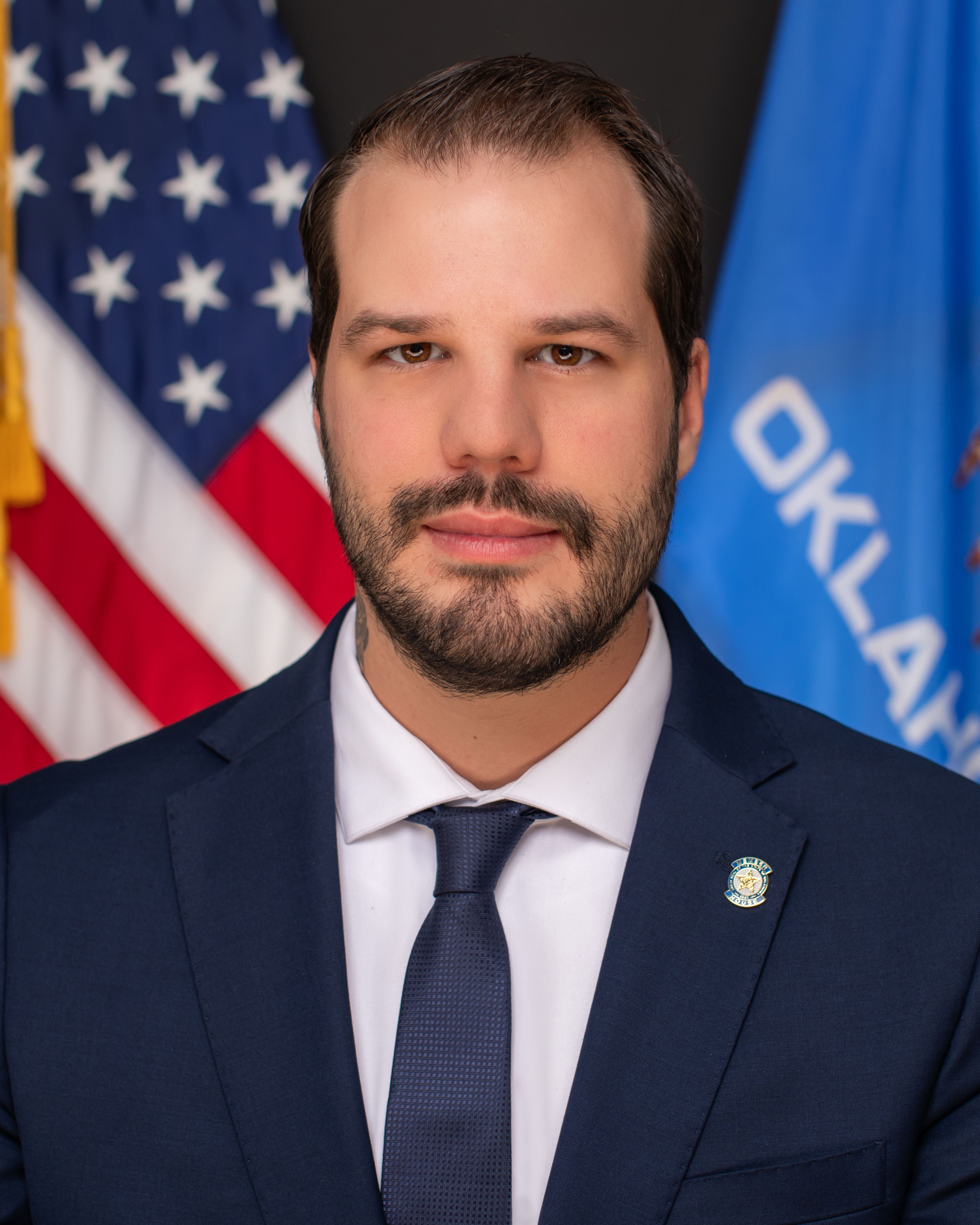
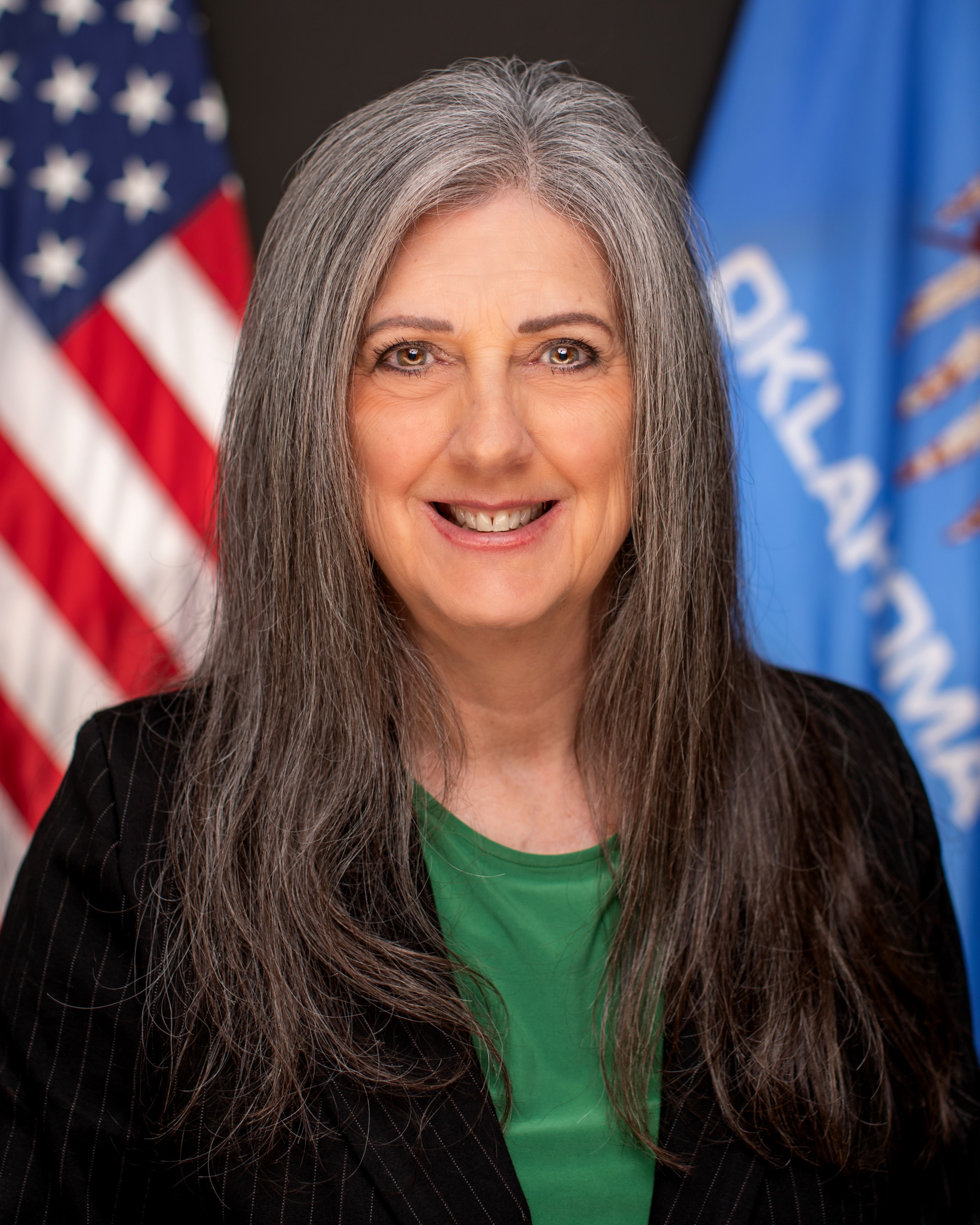
Key legislators
Who's moving immigration in Oklahoma
Showing 4 of 4
bills
All immigration bills
HB 4423 requires the Oklahoma Health Care Authority to verify the immigration status of all Medicaid applicants using the federal SAVE system (or its successor) before approving benefits. It specifically mandates that the Authority notify U.S. Immigration and Customs Enforcement (ICE) if an applicant's status cannot be verified as lawful. This applies to all applicants, including adults applying for child-only Medicaid benefits on behalf of a child. The bill takes effect October 1, 2026, and does not change Medicaid eligibility criteria but adds a verification step for immigration status.
HB 4422 requires Oklahoma's Department of Human Services to verify applicants' immigration status using the federal SAVE system before approving benefits for Temporary Assistance for Needy Families (TANF) and Supplemental Nutrition Assistance Program (SNAP). It establishes a five-year bar for qualified aliens who entered the U.S. on or after August 22, 1996, from receiving TANF or certain other benefits, unless exceptions apply. If SAVE verification shows unverified status, the department must notify the Oklahoma Attorney General, who may then alert U.S. Immigration and Customs Enforcement. The bill directly affects non-citizen legal residents applying for TANF or SNAP benefits, mandating status checks and specific notification procedures.
HB 1546 prohibits non-U.S. citizens from specific countries (China, Iran, North Korea, Russia, or other U.S.-designated "foreign government adversaries") from owning agricultural land, forestry property, or real property within 200 miles of military installations or critical infrastructure facilities (like power plants, refineries, or water treatment plants). It requires sellers to submit a notarized affidavit verifying compliance with these restrictions when recording property deeds, with limited exceptions for deeds correcting title defects or securing debts. The bill applies to direct ownership and indirect ownership through business entities or trusts, effective November 1, 2025. This law directly affects foreign entities from the listed countries seeking to purchase or hold certain types of land in Oklahoma.
HB 1362 makes it a crime for non-U.S. citizens (defined as "aliens") to enter or remain in Oklahoma without legal authorization to be in the United States. First offenses are misdemeanors punishable by up to one year in jail or a $500 fine; second offenses or offenses committed during other crimes are felonies punishable by up to two years in prison or a $1,000 fine. The law requires convicted individuals to leave Oklahoma within 72 hours and mandates law enforcement to collect biometric data and check federal databases. It also preempts local governments from enacting conflicting immigration policies and creates an alternative to prison: if conditions are met (no prior violent crime, not charged with another felony), courts can order deportation instead of incarceration.