Issue · Healthcare

Healthcare (Mental Health)

Every healthcare bill, vote, and legislator stance in Oklahoma, automatically classified by Maddy, our AI policy reader.

Total bills
83
2026 Regular Session
Top supporter
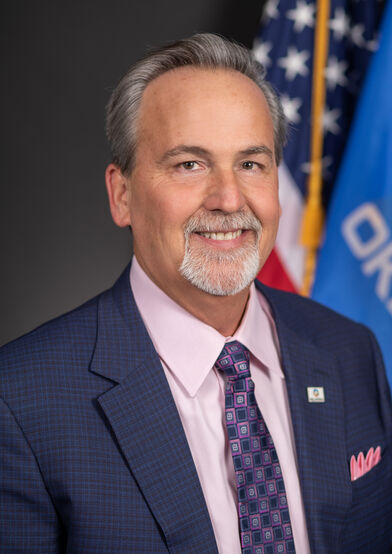
Aaron Reinhardt
100% support rate
Top opponent
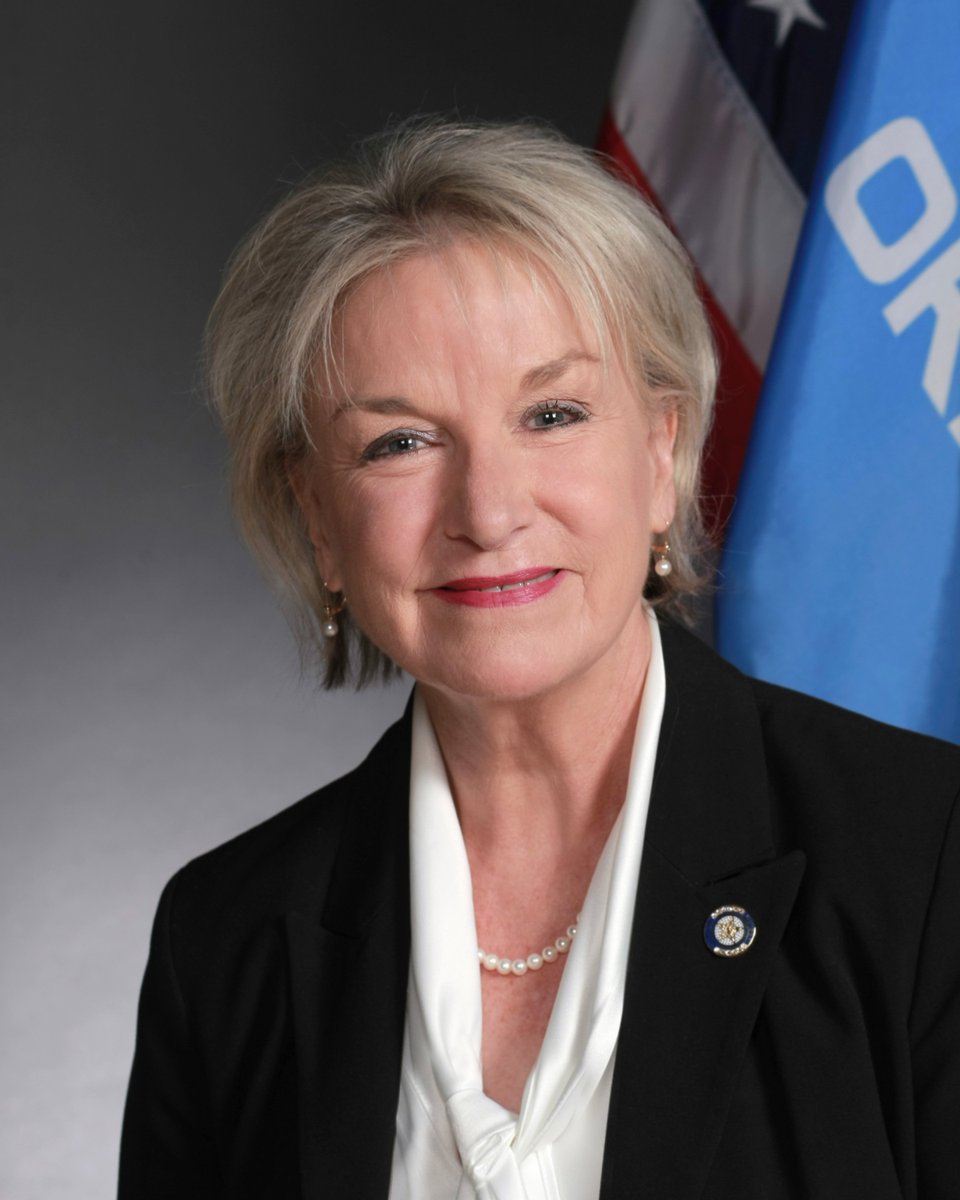
Molly Jenkins
8% support rate
Ranked legislators
10
5 support · 5 oppose
Key legislators

Who's moving mental health in Oklahoma

Legislators moving mental health in Oklahoma
Legislator Party Stance Support rate Votes
Aaron Reinhardt
Aaron Reinhardt Senate · District 37
R
Strong +
100% 22
Bill Coleman
Bill Coleman Senate · District 10
R
Strong +
100% 22
Brenda Stanley
Brenda Stanley Senate · District 42
R
Strong +
100% 22
Paul Rosino
Paul Rosino Senate · District 45
R
Strong +
100% 22
Brent Howard
Brent Howard Senate · District 38
R
Strong +
100% 19
Molly Jenkins
Molly Jenkins House · District 33
R
Strong −
8% 13
Gabe Woolley
Gabe Woolley House · District 98
R
Strong −
10% 10
Jim Shaw
Jim Shaw House · District 32
R
Strong −
10% 10
Rick West
Rick West House · District 3
R
Strong −
10% 10
Tom Gann
Tom Gann House · District 8
R
Strong −
10% 10
Showing 1–10 of 83 bills

All healthcare bills

in committee · Oklahoma · House Feb 4, 2025

HB 2873: Mental health; Oklahoma Mental Health Reform Act of 2025; effective date.

This bill, known as the Oklahoma Mental Health Reform Act of 2025, establishes a new legal framework for mental health services in Oklahoma. It creates a new section of law that is not to be added to the existing Oklahoma Statutes. The legislation takes effect on November 1, 2025, and does not currently include specific operational provisions or funding mechanisms. At this stage, the bill primarily serves as a foundational measure that would allow for future mental health policy development.
Sub-Topics Mental Health
signed · Oklahoma · House Mar 2, 2026

HB 2786: Department of Mental Health and Substance Abuse Services; making an appropriation; source; amount; purpose; emergency.

This bill authorizes an emergency appropriation of approximately $19.66 million to the Oklahoma Department of Mental Health and Substance Abuse Services. The funds must come from the Rate Preservation Fund in the State Treasury and are designated specifically for Title XIX services, which are Medicaid-funded mental health and substance abuse programs. The legislation includes an emergency provision, allowing the funding to take effect immediately upon the governor's approval without waiting for the regular budget cycle. This action provides direct financial resources to the state agency responsible for administering mental health and substance abuse services.
passed · Oklahoma · House Apr 16, 2026

HB 3901: Psychological autopsy; terms; psychological autopsy examiner; pilot psychological autopsy service; report; Commissioner of Health; promulgation of rules; State Department of Health; effective date.

HB 3901 establishes a pilot program for psychological autopsies in Oklahoma, which investigate ambiguous deaths (like suicides) to reconstruct a deceased person's mental state and influences. The Commissioner of Health must appoint a full-time psychological autopsy examiner who will submit annual progress reports and coordinate with mental health and medical examiner offices. The pilot runs until November 1, 2031, with a recommendation for permanency or termination. Its goal is to use data from these reviews to inform suicide prevention efforts, without changing existing laws or creating new obligations for individuals.
Sub-Topics Mental Health
signed · Oklahoma · House May 12, 2026

HB 3265: Retirement; Oklahoma Police Pension and Retirement System; term; psychologist; certification; salary; effective date.

HB 3265 amends Oklahoma's police pension law to clarify disability benefit eligibility for law enforcement officers. It specifically expands the definition of "mental health specialist" to include licensed psychologists for disability certification (Section G). The bill establishes a clear benefit scale based on disability percentage (e.g., 50-74% impairment equals 75% of accrued retirement benefit) and presumes line-of-duty disability for officers exposed to hazardous substances like chemicals or blood-borne pathogens, unless proven otherwise (Section I). These changes directly affect Oklahoma police officers seeking disability benefits through the Oklahoma Police Pension and Retirement System.
signed · Oklahoma · Senate May 11, 2026

SB 1503: Choosing Childbirth Act; allowing out-of-state organizations to receive grants. Effective date.

SB 1503, the "Choosing Childbirth Act," allows Oklahoma to provide state grants to both in-state and out-of-state nonprofit organizations that offer services supporting pregnant women to carry pregnancies to term. It covers reimbursable services like medical care, mental health support, housing assistance, transportation, and postpartum care (aimed at reducing maternal/infant mortality by 3% by 2026), but explicitly prohibits funding for organizations providing or referring for abortions. To qualify, organizations must be registered nonprofits in Oklahoma, provide accurate fetal development information, and certify that funds won’t support abortion counseling or referrals. The bill takes effect November 1, 2026.
died · Oklahoma · Senate Mar 11, 2026

SB 1647: Mental health and substance abuse services; broadening purpose of County Community Safety Investment Fund; authorizing certain awards for specified programs. Effective date. Emergency.

SB 1647 creates a revolving fund called the County Community Safety Investment Fund within Oklahoma's Department of Mental Health and Substance Abuse Services. The bill broadens the fund's purpose to support evidence-based county programs including mental health/substance abuse treatment, pretrial diversion, jail intake screenings, employment, education, and housing services. Counties and multi-county partnerships can apply for funding, while the Oklahoma Indigent Defense System Board may receive up to $1 million annually for similar programs. The bill requires annual reporting to state legislators on fund allocations and program outcomes. It becomes effective July 1, 2026, with an emergency declaration.
signed · Oklahoma · Senate May 13, 2026

SB 1794: Mental health; creating the Oklahoma Behavioral Health Vacancy Registry Act; requiring establishment of certain behavioral health vacancy registry; mandating certain reporting. Effective date.

SB 1794 requires Oklahoma's Department of Mental Health to create a real-time statewide registry tracking mental health facility availability, directly affecting hospitals and clinics that serve patients. The registry will display current capacity, populations served, diagnostic details (without patient identifiers), admission criteria, and emergency placement contacts to improve urgent care access. Facilities must electronically update their capacity hourly (or per department rules for low-volume settings) and comply with privacy laws like HIPAA. The bill takes effect November 1, 2026, aiming to streamline emergency placements without sharing identifiable patient data.
Sub-Topics Mental Health
died · Oklahoma · House Mar 5, 2026

HB 4200: Homelessness; partnership; purpose; directing Department of Mental Health and Substance Abuse Services to oversee; funding; rules; creating the Forensic Assertive Community Treatment Program Revolving Fund; effective date; emergency.

HB 4200 updates key definitions in Oklahoma's Mental Health Law to clarify eligibility for treatment and services. It revises the definition of "mental illness" to include specific impairments in thought, mood, or behavior, and adds detailed criteria for determining who qualifies as a "person requiring treatment" (e.g., immediate risk of self-harm or harm to others). The bill also specifies that certain conditions - like dementia, intellectual disabilities, homelessness, or seizure disorders - do not automatically qualify someone as needing treatment under this law. These changes directly affect mental health providers, courts, and patients by standardizing how treatment eligibility is assessed. The bill focuses solely on defining terms, not creating new programs or funding.
passed · Oklahoma · House Apr 21, 2026

HB 3544: Technology; artificial intelligence; companions; minors; safety; civil penalties; effective date.

HB 3544 prohibits AI chatbots with human-like features (e.g., claiming sentience or seeking emotional bonds) from being available to minors under 18. It requires developers to implement age verification systems and offer alternative versions without such features for minors. Therapeutic chatbots providing mental health support are exempt if they include clear disclaimers, require professional oversight, provide clinical evidence of safety, and maintain transparency. Violations could result in civil penalties up to $7,500 per intentional violation, with minors or parents able to seek damages of $100-$750 per incident. The law takes effect November 1, 2026.
in committee · Oklahoma · Senate Mar 5, 2026

SB 1473: Guardianships; modifying definitions; requiring guardians to be present for certain assessment. Effective date..

SB 1473 updates Oklahoma's guardianship definitions to clarify when a person with mental illness is considered "gravely disabled" and unable to meet basic needs like food, clothing, or shelter. It adds specific criteria guardians must meet to request authorities (like police or county officials) to retrieve a gravely disabled ward from an unsheltered environment and transport them to inpatient treatment. The bill changes "inpatient mental health treatment" to require 48 hours of continuous care (previously 24 hours) and explicitly states that mental illness evaluation or treatment does not automatically mean a person is incompetent. These changes apply to guardians, courts, and mental health facilities managing cases involving incapacitated individuals. The bill takes effect November 1, 2026.
Sub-Topics Mental Health
Showing 1 to 10 of 83 bills
1 2 3 9 Next