Issue · Healthcare

Healthcare (Substance Abuse)

Every healthcare bill, vote, and legislator stance in Oklahoma, automatically classified by Maddy, our AI policy reader.

Total bills
59
2026 Regular Session
Top supporter
Bill Coleman
100% support rate
Top opponent
Molly Jenkins
7% support rate
Ranked legislators
10
5 support · 5 oppose
Key legislators

Who's moving substance abuse in Oklahoma

Legislators moving substance abuse in Oklahoma
Legislator Party Stance Support rate Votes
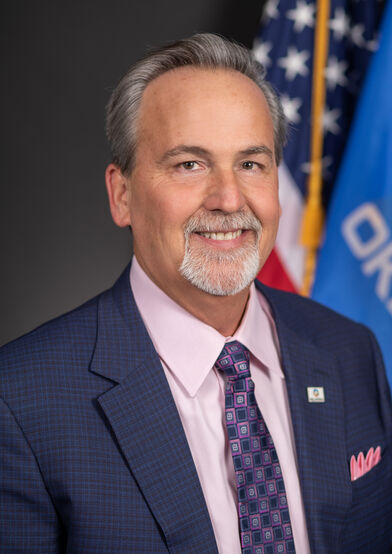
Bill Coleman
Bill Coleman Senate · District 10
R
Strong +
100% 20
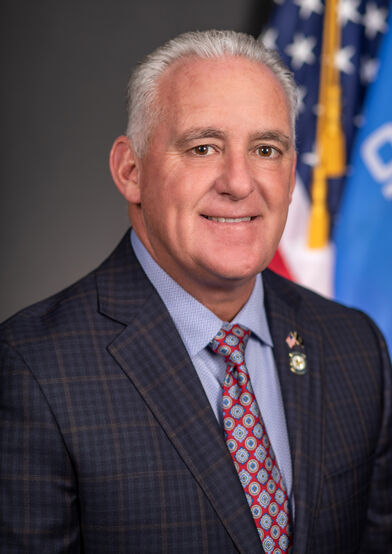
John Haste
John Haste Senate · District 36
R
Strong +
100% 20
Aaron Reinhardt
Aaron Reinhardt Senate · District 37
R
Strong +
100% 19
Brenda Stanley
Brenda Stanley Senate · District 42
R
Strong +
100% 19
Paul Rosino
Paul Rosino Senate · District 45
R
Strong +
100% 19
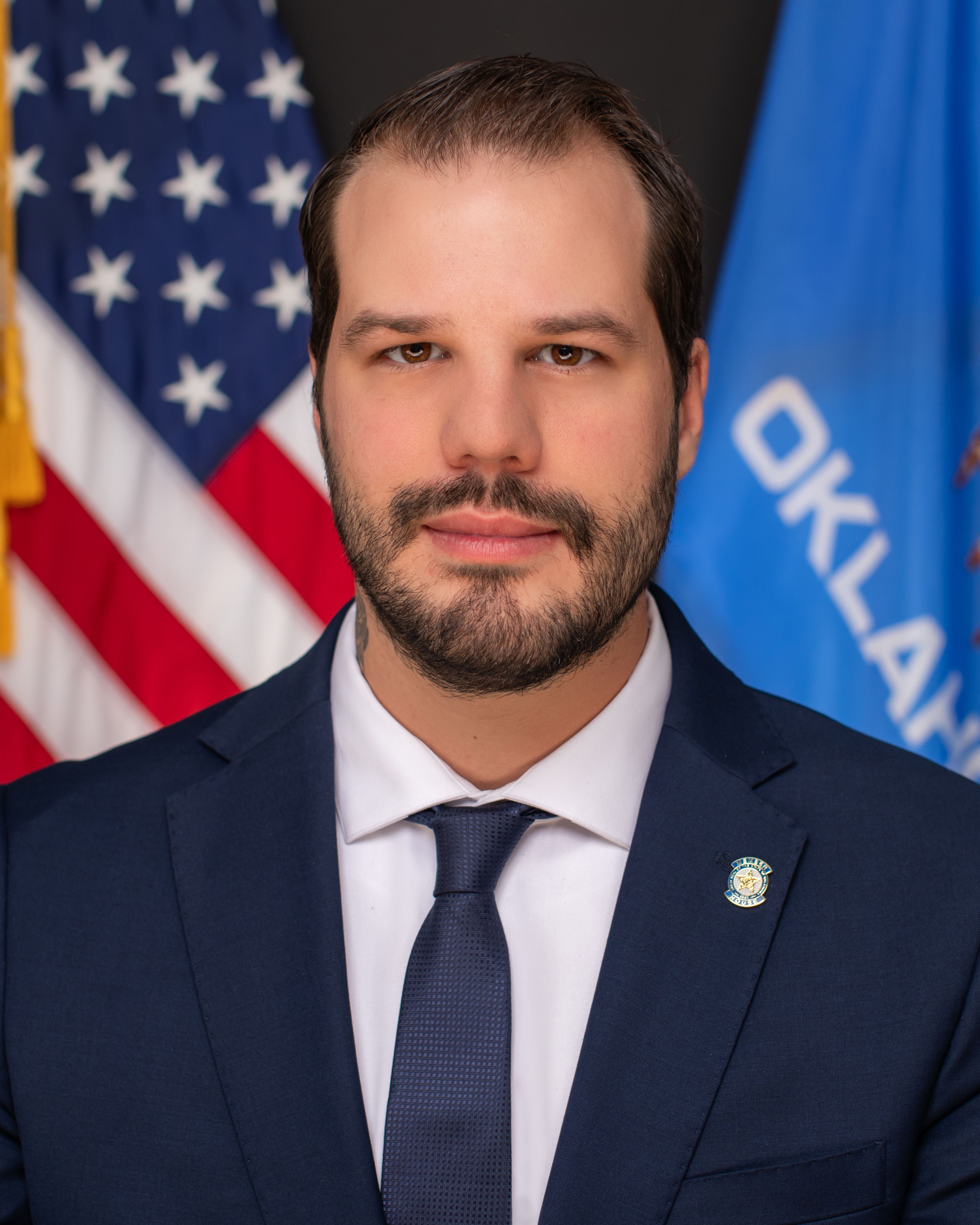
Molly Jenkins
Molly Jenkins House · District 33
R
Strong −
7% 14
Gabe Woolley
Gabe Woolley House · District 98
R
Strong −
8% 13
Jim Shaw
Jim Shaw House · District 32
R
Strong −
8% 13
Tom Gann
Tom Gann House · District 8
R
Strong −
8% 13
Rick West
Rick West House · District 3
R
Strong −
8% 12
Showing 51–59 of 59 bills

All healthcare bills

died · Oklahoma · House May 30, 2025

HB 1224: Health care; minor self-consent to health services; granting certain protections to parent or legal guardian related to medical records; effective date.

HB 1224 allows certain minors to consent to specific health services without parental approval, including treatment for pregnancy, sexually transmitted infections, substance abuse, or sexual assault. Parents generally retain access to their minor child's medical records, but this right is limited when the minor uses the bill's self-consent provisions for the listed health conditions. Health professionals must make a reasonable attempt to notify parents for emergency care but are not required to inform them for most other services covered under the bill. The bill also protects health providers from liability when acting in good faith under these rules, ensuring minors' confidentiality in sensitive health matters.
Sub-Topics Substance Abuse
in committee · Oklahoma · House Feb 4, 2025

HB 1042: Sunset; Opioid Overdose Fatality Review Board; extending sunset year.

HB 1042 extends the expiration date of Oklahoma's Opioid Overdose Fatality Review Board from July 1, 2025, to July 1, 2026, under the state's Sunset Law. The board, created within the Department of Mental Health and Substance Abuse Services, reviews opioid overdose deaths (for individuals 18+) to analyze causes, coordinate prevention efforts, and make system improvement recommendations to medical and law enforcement agencies. This procedural bill does not alter the board's existing duties - such as data collection, confidential case reviews, or annual reporting - but ensures its continued operation for one additional year.
in committee · Oklahoma · House Feb 4, 2025

HB 2923: Prisoner reentry; creating the Oklahoma Prisoner Reentry Pilot Program; stating purpose of pilot program; codification; effective date.

HB 2923 creates the Oklahoma Prisoner Reentry Pilot Program to support inmates transitioning from prison to community life. It directly affects inmates under the Department of Corrections' jurisdiction who have a medium or high risk of felony re-arrest, focusing on those in counties with over 500,000 residents. The bill requires the Department to provide case management services connecting participants to 14 specific support areas, including housing, job training, healthcare, substance abuse treatment, and transitional services like transportation. The program must be evaluated annually to assess recidivism reduction, with results reported to the Legislature and Governor, and becomes effective November 1, 2025.
signed · Oklahoma · House May 8, 2025

HB 2049: Medicaid parity; coverage; mental health and substance use disorders; contract compliance; noncompliance reviews; Oklahoma Health Care Authority; complaints; publication of reports; effective date.

HB 2049 requires Oklahoma's Medicaid managed care plans to comply with federal parity laws for mental health and substance use disorder coverage. It mandates regular compliance checks on nonquantitative treatment limitations (like prior authorization), creates a standardized process for handling parity complaints, and requires the Oklahoma Health Care Authority to publicly report on compliance. The law directly affects Medicaid managed care plans, the Oklahoma Health Care Authority, and Medicaid beneficiaries seeking mental health or substance use services. Key provisions include contract requirements for parity analysis, public disclosure of compliance reports, and a 30-day deadline for publishing federal reports. The bill became effective November 1, 2025.
in committee · Oklahoma · Senate Feb 4, 2025

SB 691: Law enforcement; requiring the Council on Law Enforcement Education and Training and the Department of Mental Health and Substance Abuse Services to develop certain program. Effective date.

SB 691 requires Oklahoma's Council on Law Enforcement Education and Training and the Department of Mental Health and Substance Abuse Services to create a voluntary program offering specialized training for law enforcement officers to handle mental health crisis calls. Officers who complete the training will be designated as "law enforcement mental health specialists." The bill mandates these agencies to develop the program and establish rules for its implementation, effective November 1, 2025. This directly affects participating officers and aims to improve responses to mental health emergencies involving law enforcement.
in committee · Oklahoma · House Feb 17, 2025

HB 2371: Schools; mental health; pilot programs; revolving fund; effective date.

HB 2371 proposes funding pilot programs for school districts to use AI software on school-issued devices as a safety tool, without direct student surveillance. The bill requires the Oklahoma Department of Mental Health and Substance Abuse Services and the State Department of Education to fund AI programs that analyze device activity (via existing web filtering systems) to assess student safety, readiness to learn, and well-being, using data already collected for compliance. It creates a dedicated revolving fund in the state treasury to cover costs like software, equipment, and personnel for these voluntary pilot programs, which can be implemented at the district or school level. The bill would take effect November 1, 2025, if passed.
passed · Oklahoma · House Apr 1, 2025

HB 1416: Non-opioid treatment; terms; preferred drug lists; discretion; drug treatment; United States Food and Drug Administration; coverage; non-opioid drugs; reimbursement; effective date.

HB 1416 requires insurers offering group health plans for state employees to ensure non-opioid pain medications (approved by the FDA) are not disadvantaged in coverage compared to opioids on their preferred drug lists. It directly affects state employee health insurance plans by mandating equal treatment for FDA-approved non-opioid pain drugs, such as those that don’t act on opioid receptors. The bill does not ban opioids or require non-opioid use but prohibits insurers from making non-opioid options harder to access through coverage rules. This applies to all drugs covered under state employee plans and takes effect November 1, 2025.
in committee · Oklahoma · House Feb 20, 2025

HB 2248: Mental health; rural mental health and treatment diversion pilot programs; purpose; Department of Mental Health and Substance Abuse Services; contracts; promulgation of rules; effective date.

HB 2248 creates rural mental health pilot programs in Oklahoma designed to redirect individuals with mental health needs away from the criminal justice system and into treatment programs. The bill authorizes the Department of Mental Health and Substance Abuse Services to develop these programs (subject to funding) and enter contracts to implement them, focusing on rural communities. It requires the Department’s Board to create necessary rules for the programs’ operation and sets an effective date of November 1, 2025. The bill directly affects rural Oklahomans facing mental health challenges who might otherwise interact with law enforcement or courts.
passed · Oklahoma · House Apr 23, 2025

HB 2012: Public health and safety; harm-reduction services; deleting sunset date; effective date.

HB 2012 removes the July 1, 2026, expiration date for Oklahoma's harm-reduction services program, making it permanent. It authorizes government agencies, religious institutions, nonprofits, for-profit companies, and tribal governments to provide services including needle distribution, HIV/hepatitis testing, referrals for addiction treatment, and safe needle disposal. Providers must register with the State Department of Health and report quarterly on services delivered, such as the number of people served, needles distributed, and test results. This bill directly affects people who use injection drugs by expanding access to health services aimed at reducing disease transmission and overdose risks.
Showing 51 to 59 of 59 bills
Previous 1 4 5 6