Issue · Healthcare

Healthcare (Prescription Drugs)

Every healthcare bill, vote, and legislator stance in Oklahoma, automatically classified by Maddy, our AI policy reader.

Total bills
42
2026 Regular Session
Top supporter
Carl Newton
100% support rate
Top opponent
Kendal Sacchieri
0% support rate
Ranked legislators
10
5 support · 5 oppose
Key legislators

Who's moving prescription drugs in Oklahoma

Legislators moving prescription drugs in Oklahoma
Legislator Party Stance Support rate Decisive votes
Carl Newton
Carl Newton House · District 58
R
Strong +
100% 19
Danny Sterling
Danny Sterling House · District 27
R
Strong +
100% 17
Aaron Reinhardt
Aaron Reinhardt Senate · District 37
R
Strong +
100% 16
Bill Coleman
Bill Coleman Senate · District 10
R
Strong +
100% 16
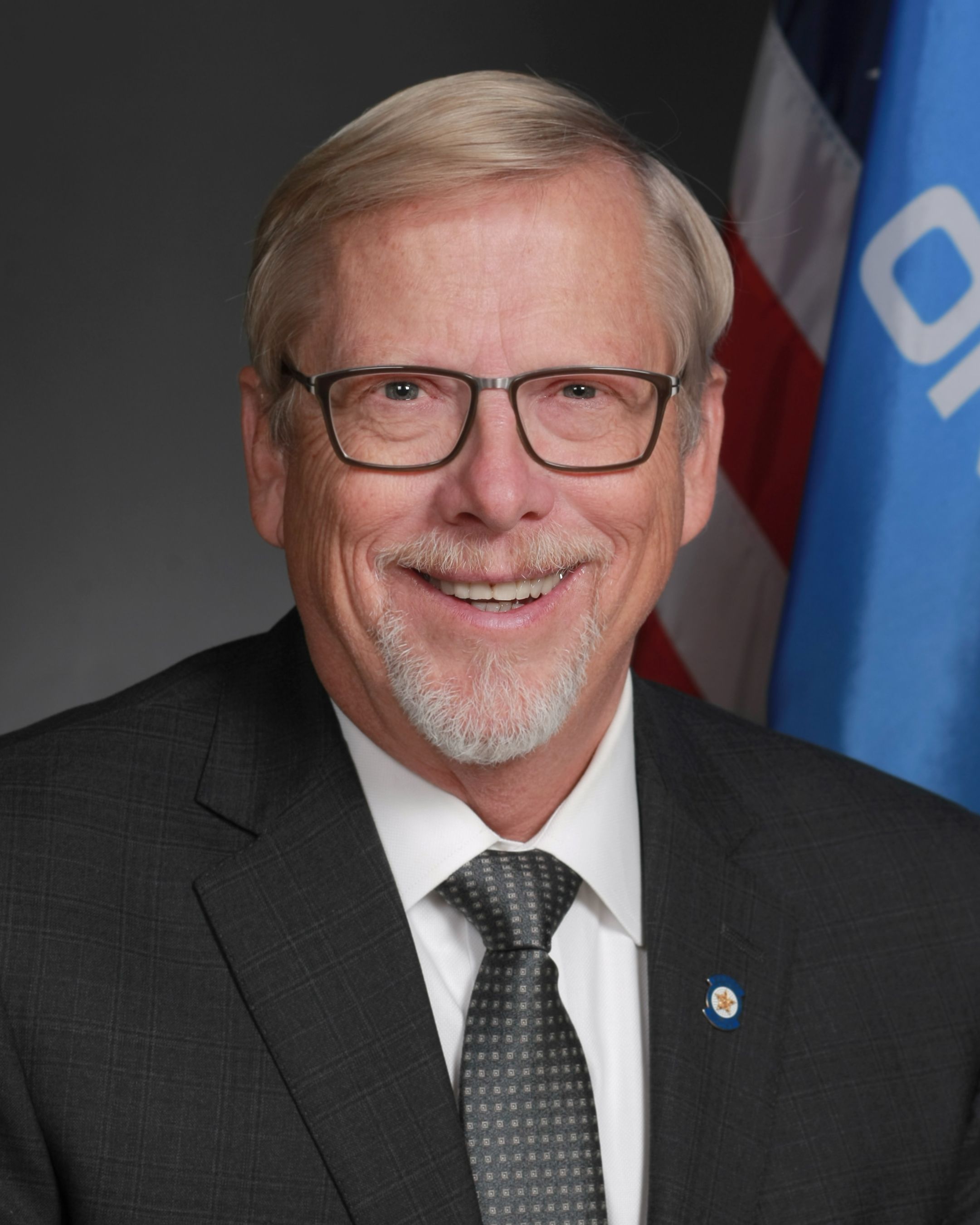
John Haste
John Haste Senate · District 36
R
Strong +
100% 15
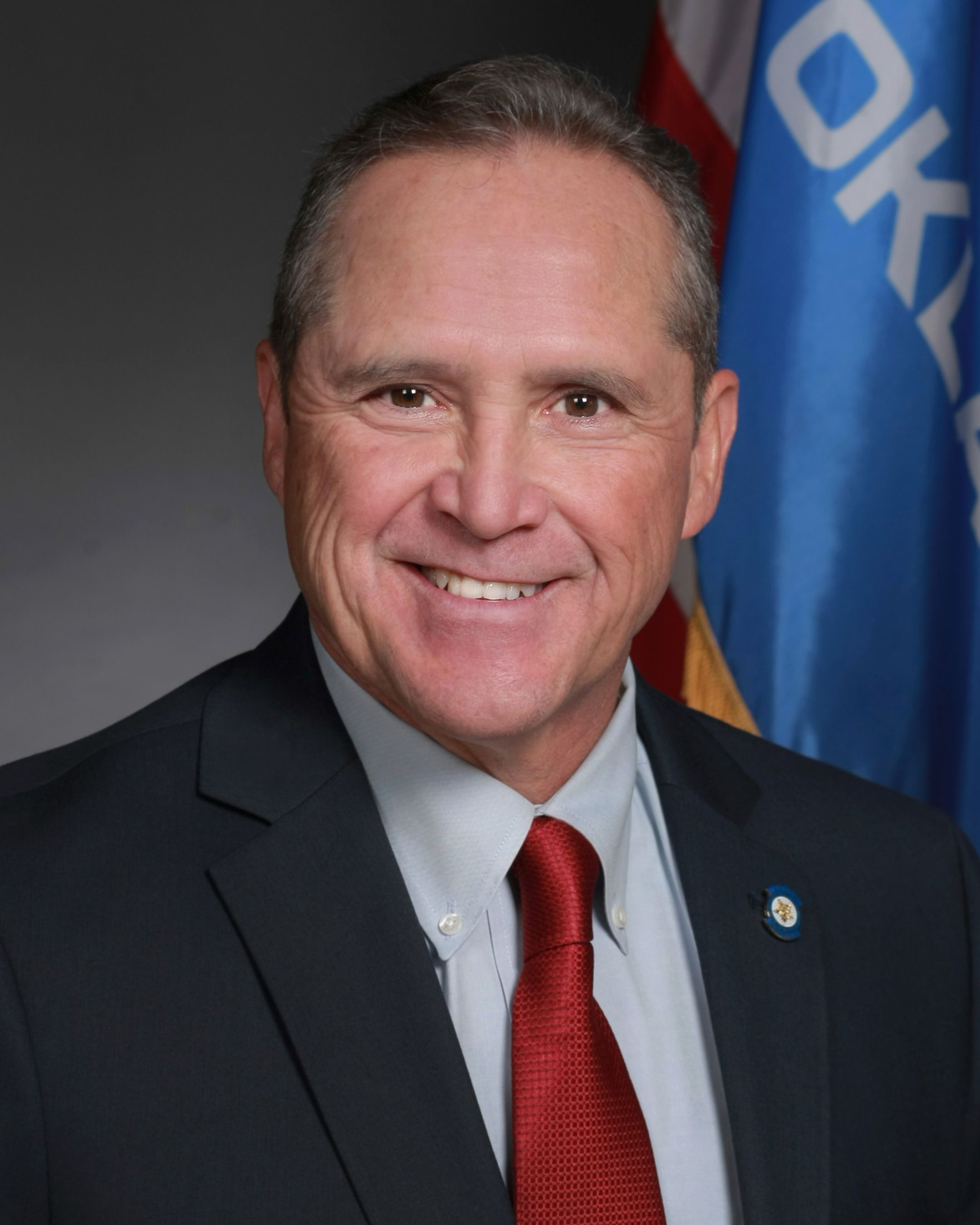
Kendal Sacchieri
Kendal Sacchieri Senate · District 43
R
Strong −
0% 9
Julie McIntosh
Julie McIntosh Senate · District 3
R
Strong −
7% 15
Gabe Woolley
Gabe Woolley House · District 98
R
Strong −
7% 14
Molly Jenkins
Molly Jenkins House · District 33
R
Strong −
7% 14
David Bullard
David Bullard Senate · District 6
R
Strong −
11% 9
Showing 31–40 of 42 bills

All healthcare bills

in committee · Oklahoma · Senate Feb 4, 2025

SB 1063: Prescriptions; creating the Oklahoma Health Care Safety Net and Affordable Prescriptions Accessibility Act; prohibiting certain actions; providing for enforcement by Attorney General and Insurance Commissioner. Effective date.

SB 1063, the Oklahoma Health Care Safety Net and Affordable Prescriptions Accessibility Act, prohibits health insurers, pharmacy benefits managers, and drug manufacturers from discriminating against healthcare providers participating in the federal 340B drug discount program. It requires equal reimbursement rates for 340B drugs compared to non-340B drugs, bans extra fees or restrictions on these providers, and prevents manufacturers from blocking access to discounted drugs. The law directly affects 340B entities (like community health centers), insurers, and pharmacies, while excluding Oklahoma Medicaid program reimbursements. Enforcement will be handled by the Attorney General and Insurance Commissioner.
in committee · Oklahoma · Senate Feb 26, 2025

SB 1064: Health insurance; establishing guidelines for step therapy protocol. Effective date,

SB 1064 requires health insurance plans in Oklahoma to use evidence-based clinical guidelines when creating step therapy protocols (where insurers mandate trying cheaper drugs first). It mandates that insurers provide a clear, accessible process for doctors and patients to request exceptions when step therapy blocks necessary medications, and they must grant exceptions if the doctor provides justification (e.g., prior drug failure, adverse reactions, or medical necessity). Insurers must respond to exception requests within 72 hours (24 hours for emergencies), and failure to respond on time automatically grants the exception. The bill directly affects insurers, healthcare providers, and patients using prescription drugs covered under step therapy protocols.
in committee · Oklahoma · Senate Feb 3, 2026

SB 1306: Prescription drugs; prohibiting insurer from modifying coverage under certain conditions; providing civil penalty; promulgating rules. Effective date.

This bill prevents health insurers from changing coverage for a prescription drug after it has been preapproved and the patient has already started taking it. It specifically prohibits insurers from increasing costs, denying coverage, moving the drug to a higher-cost tier, or switching to a generic without consent. Exceptions only apply if the FDA issues a safety warning or the drug manufacturer discontinues production. This directly protects patients with ongoing prescriptions who rely on specific medications.
in committee · Oklahoma · Senate Mar 27, 2025

SB 741: Practice of pharmacy; allowing pharmacist to test for and initiate drug therapy for certain minor, nonchronic health conditions. Effective date.

SB 741 allows Oklahoma pharmacists to test for and start treatment for minor, nonchronic health conditions (like colds or minor skin infections) under a standing order from a physician or health department director. Pharmacists must use only FDA-approved, CLIA-waived tests for screening and cannot test for strep throat or prescribe antibiotics to children under six. This directly expands pharmacists' clinical role for common, non-serious conditions while requiring specific safeguards. The bill amends Oklahoma's pharmacy law to clarify these new responsibilities and prohibitions.
Sub-Topics Prescription Drugs
in committee · Oklahoma · Senate Feb 25, 2025

SB 161: Pharmacy benefit management; requiring pharmacy benefit managers to maintain certain fiduciary duty. Effective date.

SB 161 requires pharmacy benefit managers (PBMs) operating in the state to uphold a specific fiduciary duty. This means PBMs must act in the best interests of patients, not just their own financial gain, when making decisions about drug coverage and pricing. The bill establishes new rules for how PBMs manage prescription drug benefits, mandating transparency and prioritizing patient welfare. It directly affects all PBMs providing services to health plans within the state, changing their operational obligations under current law.
Sub-Topics Prescription Drugs
in committee · Oklahoma · Senate Feb 11, 2025

SB 1025: Health care; creating the Oklahoma Rebate Pass-Through and Pharmacy Benefits Manager Meaningful Transparency Act of 2025; clarifying authority to take certain actions. Effective date.

SB 1025, titled the Oklahoma Rebate Pass-Through and Pharmacy Benefits Manager Meaningful Transparency Act of 2025, requires pharmacy benefits managers (PBMs) to disclose their "aggregate retained rebate percentage" - the portion of drug rebates they retain instead of passing to health plans. It directly affects PBMs and covered entities like insurers, hospitals, and employers providing health coverage in Oklahoma. Key provisions mandate PBMs to calculate and report this percentage annually, define terms for transparency, establish cost-sharing rules, and create penalties for noncompliance. The bill aims to increase clarity around how drug rebates flow through the system, without altering health plan benefits or formulary requirements.
in committee · Oklahoma · House Feb 4, 2025

HB 1479: Health insurance; health insurance plan providing prescription drug coverage; insurance notification; effective date.

HB 1479 requires health insurance plans covering prescription drugs in Oklahoma to allow pharmacies to bid for contracts to provide pharmacy services at least every three years. It also mandates that insurers notify customers in writing at least 30 days before premium renewal if a medication they previously used will no longer be covered. The bill exempts insurers with open pharmacy networks from these requirements. The law takes effect November 1, 2025, affecting insurers, pharmacies, and policyholders.
passed · Oklahoma · House Apr 28, 2025

HB 1380: Oklahoma Health Care Authority; Insulin Access and Affordability Program; effective date; emergency.

HB 1380 creates Oklahoma's Insulin Access and Affordability Program within the State Department of Health to lower insulin costs and improve access. The program requires the state to partner with nonprofit pharmaceutical companies and organizations to secure fast-acting insulin at capped prices: $30 per vial or $55 per pack of five pre-filled pens, with agreements detailing projected savings for Oklahoma residents and self-insured plans. It directly affects Oklahomans using insulin, particularly those on public or private insurance, by aiming to reduce out-of-pocket costs through competitive pricing. The program takes effect July 1, 2025, and requires nonprofits to commit to specific price points and savings reporting.
Sub-Topics Prescription Drugs
in committee · Oklahoma · Senate Feb 20, 2025

SB 426: Practice of pharmacy; designating certain drugs as over-the-counter; prohibiting pharmacist or pharmacy from requiring prescription; providing penalties. Effective date.

SB 426 designates chloroquine, hydroxychloroquine, and ivermectin as over-the-counter drugs in Oklahoma, requiring pharmacists and pharmacies to sell these medications without prescriptions. The bill directly affects pharmacists and pharmacies, prohibiting them from demanding prescriptions for these specific drugs. Violations carry severe penalties: license revocation and a $100,000 fine per occurrence, enforced by the State Board of Pharmacy. This law creates a concrete policy change by removing prescription barriers for these three medications at the point of sale.
Sub-Topics Prescription Drugs
in committee · Oklahoma · Senate Mar 5, 2025

SB 1030: Prescription drug pricing; prohibiting certain action. Effective date.

SB 1030, the "340B Drug Pricing Nondiscrimination Act," prohibits health insurers, pharmacy benefits managers, and third-party payors from discriminating against Oklahoma's 340B drug program participants. It requires equal reimbursement rates for 340B drugs compared to non-340B drugs and bans special fees, billing requirements, or restrictions solely because a provider participates in the federal 340B program. The bill also prevents interference with patients' choice to receive 340B drugs at participating pharmacies and prohibits requiring special billing modifiers for 340B claims unless mandated by federal programs. This directly affects hospitals, clinics, and pharmacies enrolled in the federal 340B program, as well as insurers and pharmacy benefit managers handling their claims.
Sub-Topics Prescription Drugs
Showing 31 to 40 of 42 bills
Previous 1 … 3 4 5 Next