

Issue · Healthcare
Healthcare (Substance Abuse)
Every healthcare bill, vote, and legislator stance in Oklahoma, automatically classified by Maddy, our AI policy reader.
Total bills
63
2026 Regular Session
Top supporter
Bill Coleman
100% support rate
Top opponent
Molly Jenkins
7% support rate
Ranked legislators
10
5 support · 5 oppose
Key legislators
Who's moving substance abuse in Oklahoma
| Legislator | Party | Stance | Support rate | Votes |
|---|---|---|---|---|
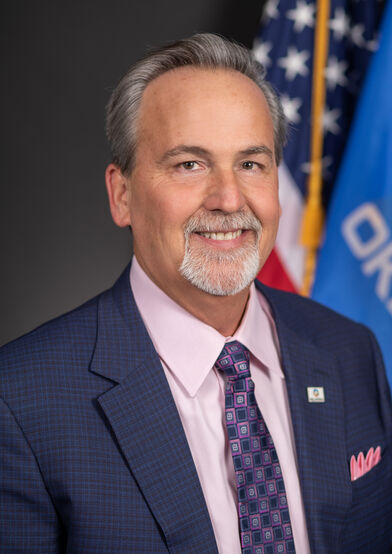
Bill Coleman
Senate · District 10
|
R |
Strong +
|
100% | 20 |

John Haste
Senate · District 36
|
R |
Strong +
|
100% | 20 |
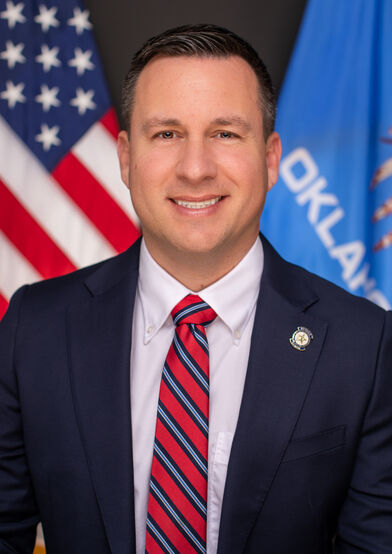
Aaron Reinhardt
Senate · District 37
|
R |
Strong +
|
100% | 19 |
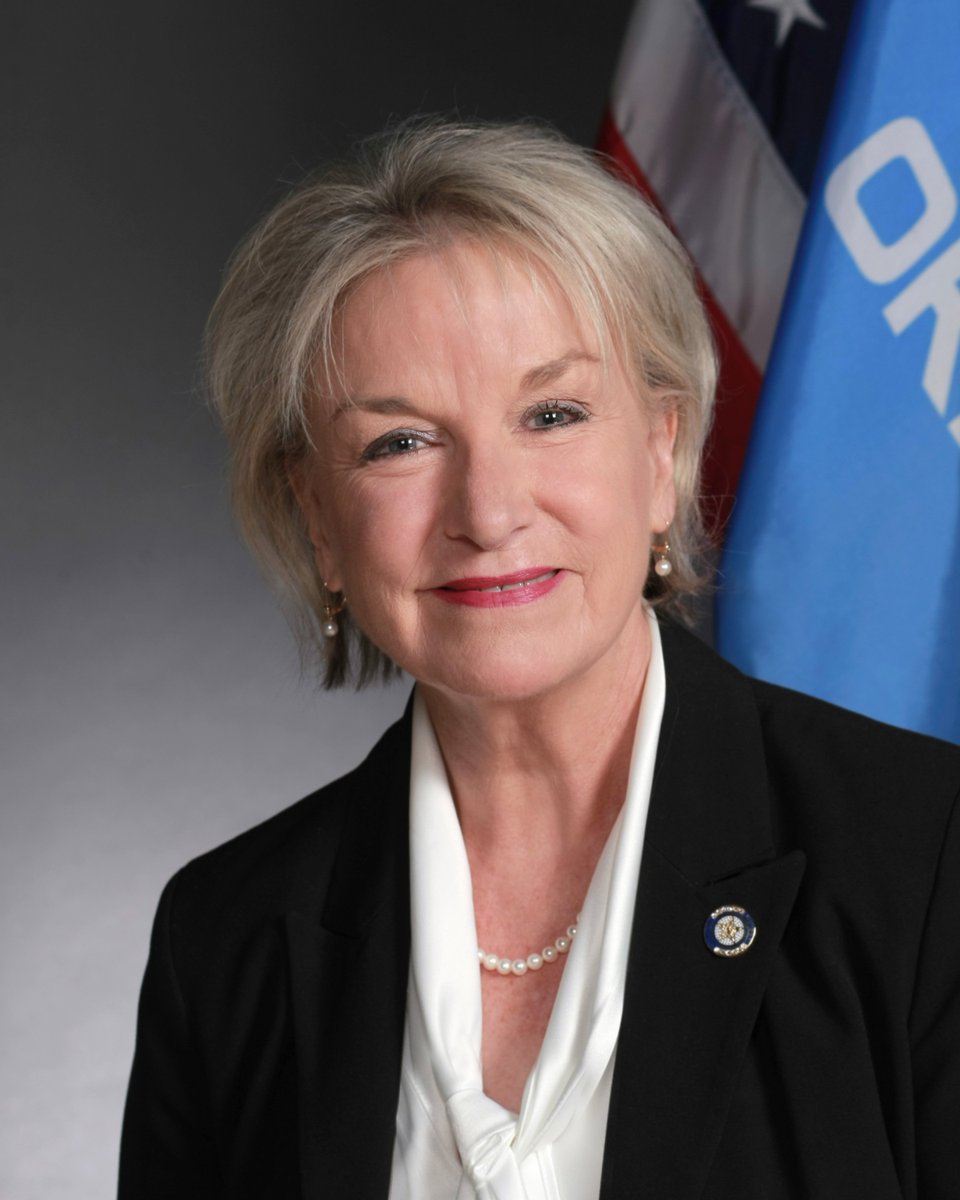
Brenda Stanley
Senate · District 42
|
R |
Strong +
|
100% | 19 |
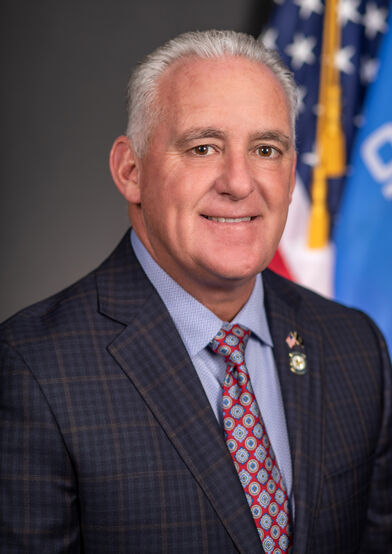
Paul Rosino
Senate · District 45
|
R |
Strong +
|
100% | 19 |

Molly Jenkins
House · District 33
|
R |
Strong −
|
7% | 14 |
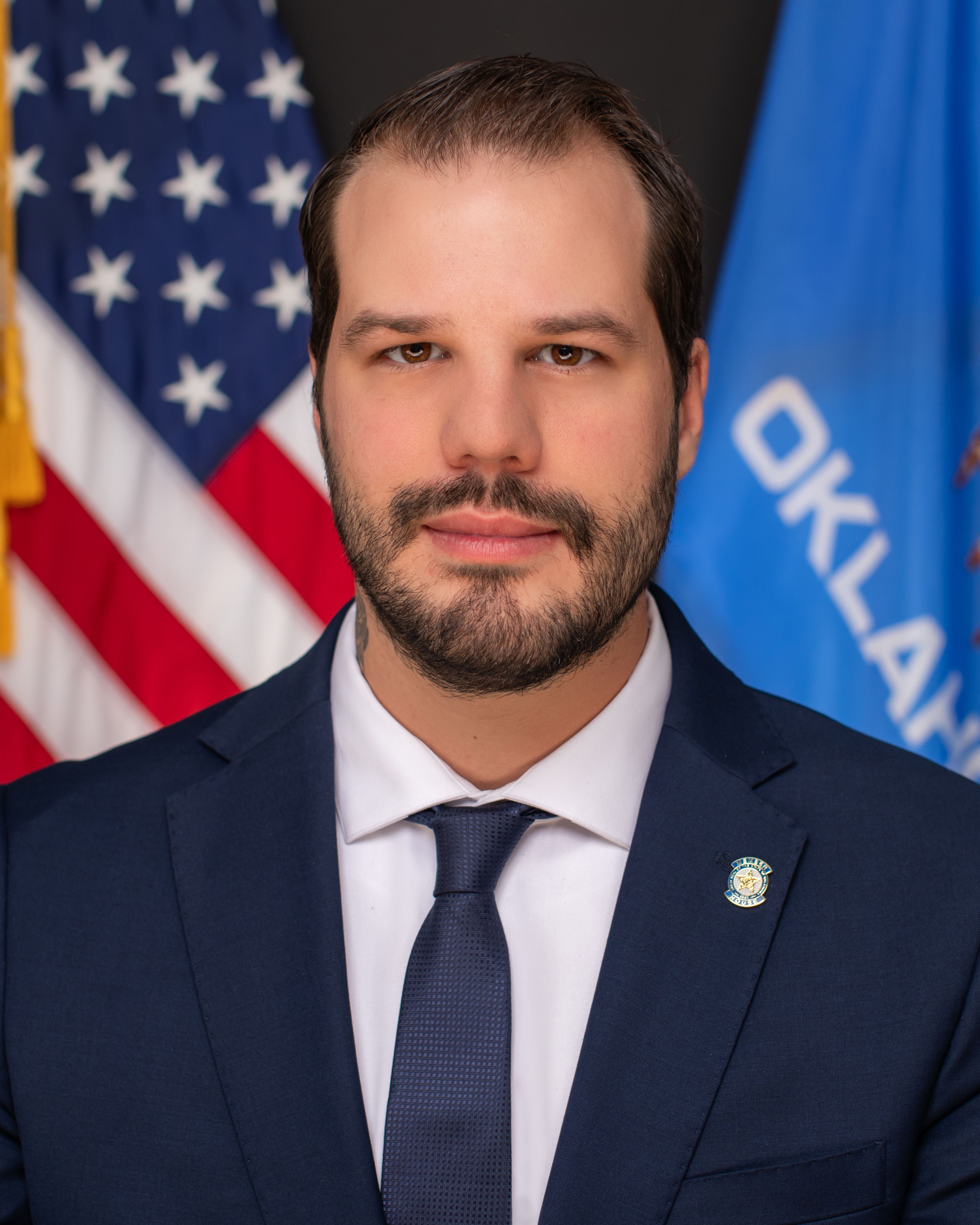
Gabe Woolley
House · District 98
|
R |
Strong −
|
8% | 13 |

Jim Shaw
House · District 32
|
R |
Strong −
|
8% | 13 |

Tom Gann
House · District 8
|
R |
Strong −
|
8% | 13 |

Rick West
House · District 3
|
R |
Strong −
|
8% | 12 |
Showing 21–30 of 63
bills
All healthcare bills
HB 3307: Veterans Traumatic Brain Injury Treatment and Recovery Revolving Fund; appropriations; amount; purpose; effective date; emergency.
Topics
✓ Budget & TaxesSupports Budget & TaxesAllocates $5M from General Revenue Fund to fund veterans' TBI treatment, directly increasing state spending on public health services.
✓ HealthcareSupports HealthcareAllocates $5M for veterans' TBI treatment funding, directly expanding healthcare services for a specific patient group.
✓ VeteransSupports VeteransAllocates $5M from state revenue to fund veterans' TBI treatment via revolving fund, directly supporting healthcare access for veterans with TBI injuries.
HB 4261: State government; Oklahoma Opioid Abatement Board; Attorney General; grantees; award contract; appeals; effective date; emergency.
Sub-Topics
Substance Abuse
HB 4293: Controlled dangerous substances; Veterans Mental Health Innovation Act; authorizing certain scientific research and clinical trials related to ibogaine; requiring registration; providing certain immunities; effective date.
Topics
✓ HealthcareSupports HealthcareAuthorizes clinical trials for PTSD/depression treatment using ibogaine, expanding mental health research options and access to innovative therapies.
✓ VeteransSupports VeteransBill authorizes clinical trials using ibogaine for veterans' PTSD, depression, and opioid use disorder - directly advancing mental health treatment options for veterans.
SB 1040: Practice of alcohol and drug counseling; removing certain limitation on appointees to the Oklahoma Board of Licensed Alcohol and Drug Counselors. Effective date.
HB 2785: Public finance; imposing duties upon the Office of Management and Enterprise Services; budget procedures for the Oklahoma Department of Mental Health and Substance Abuse Services; requirements related to allocation of funds; emergency.
Topics
✓ Budget & TaxesSupports Budget & TaxesRequires stricter budget oversight, cost controls, and prevents unapproved spending to promote fiscal responsibility within mental health funding procedures.
✗ HealthcareOpposes HealthcareBill restricts mental health funding flexibility by mandating strict budget oversight, blocking unapproved payments, and limiting contract terms, reducing operational capacity.
SB 913: Substance abuse services; making certain school training mandatory; requiring boards of education of public school districts to provide certain personnel with emergency opioid antagonists under specified condition. Effective date. Emergency.
Topics
✓ EducationSupports EducationMandates opioid antagonist training and availability for school staff, directly enhancing student/staff safety in educational settings per topic's 'educational access' and 'school personnel' scope.
✓ HealthcareSupports HealthcareMandates naloxone access and training for school staff to address opioid overdoses, directly enhancing public health response in schools.
HB 2788: Statewide Recovery Fund; transfers of funds; effective date; emergency.
SB 1368: Department of Mental Health and Substance Abuse Services; making an appropriation; stating purpose. Emergency.
Topics
✓ Budget & TaxesSupports Budget & TaxesAppropriates $70.5M from General Revenue to fund mental health services, supplementing existing programs - directly advancing state budget allocation for essential public services.
✓ HealthcareSupports HealthcareAllocates $70.5M for mental health/substance abuse services including Medicaid coverage and provider payments, directly funding critical healthcare programs.
SB 1141: State Department of Health; requiring portions of certain appropriated funds be used for certain purposes; stating purpose of certain disbursement; requiring use of certain date. Effective date. Emergency.
Topics
✓ Budget & TaxesSupports Budget & TaxesBill allocates $100,000 from state funds to mental health services, directly funding essential public programs without altering current requirements.
✓ HealthcareSupports HealthcareAllocates $100k specifically for mental health services under existing statutory duties without altering current programs, directly advancing mental health care access.