Issue · Healthcare

Healthcare (Women's Health)

Every healthcare bill, vote, and legislator stance in Oklahoma, automatically classified by Maddy, our AI policy reader.

Total bills
20
2026 Regular Session
Top supporter
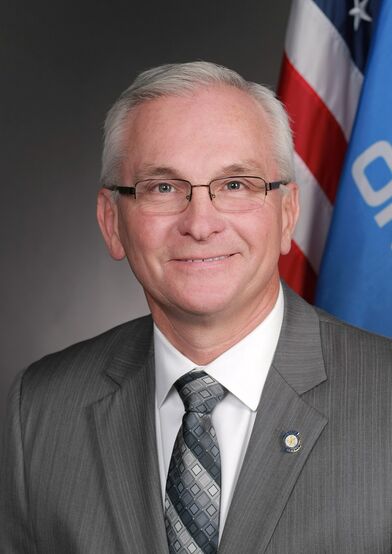
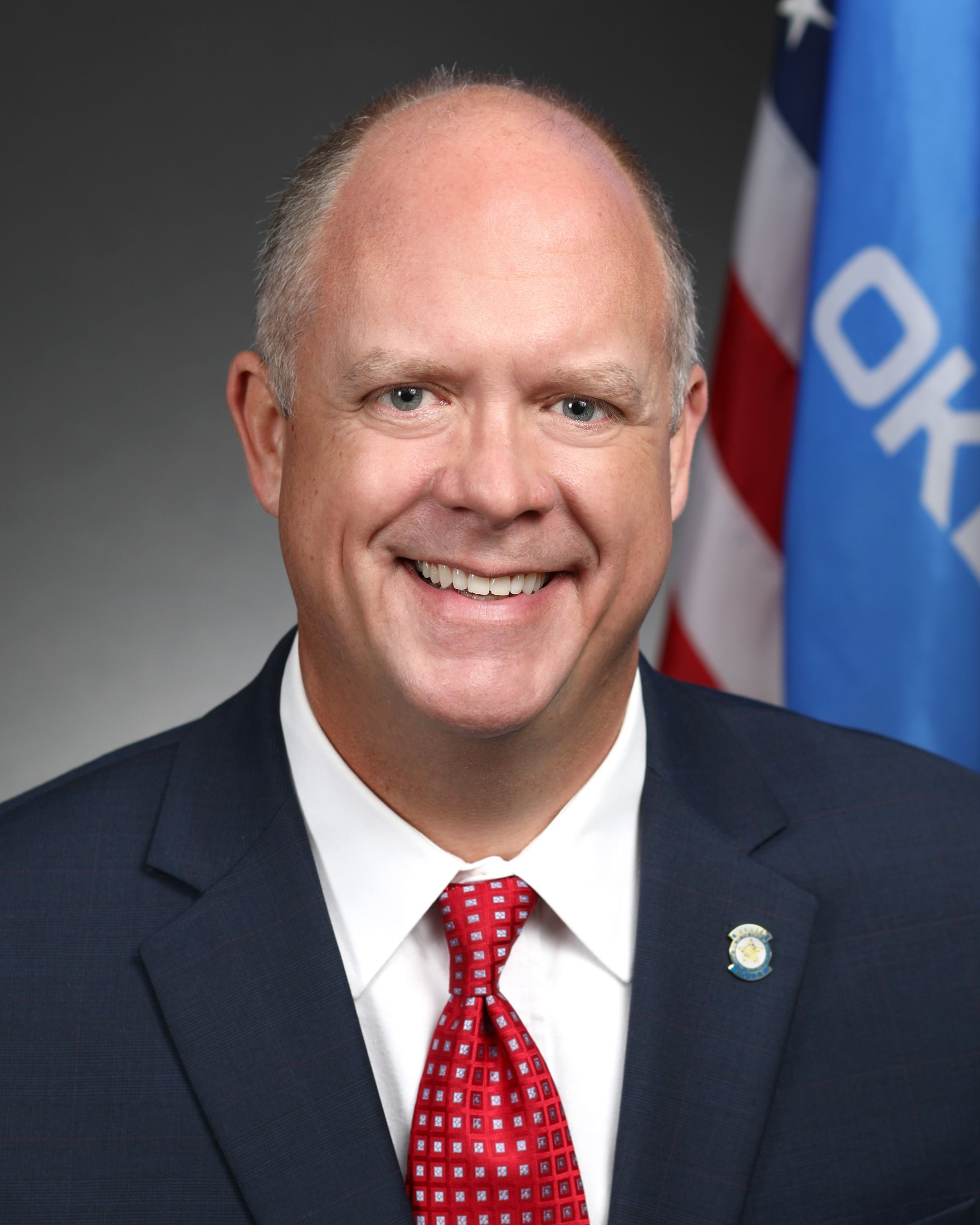
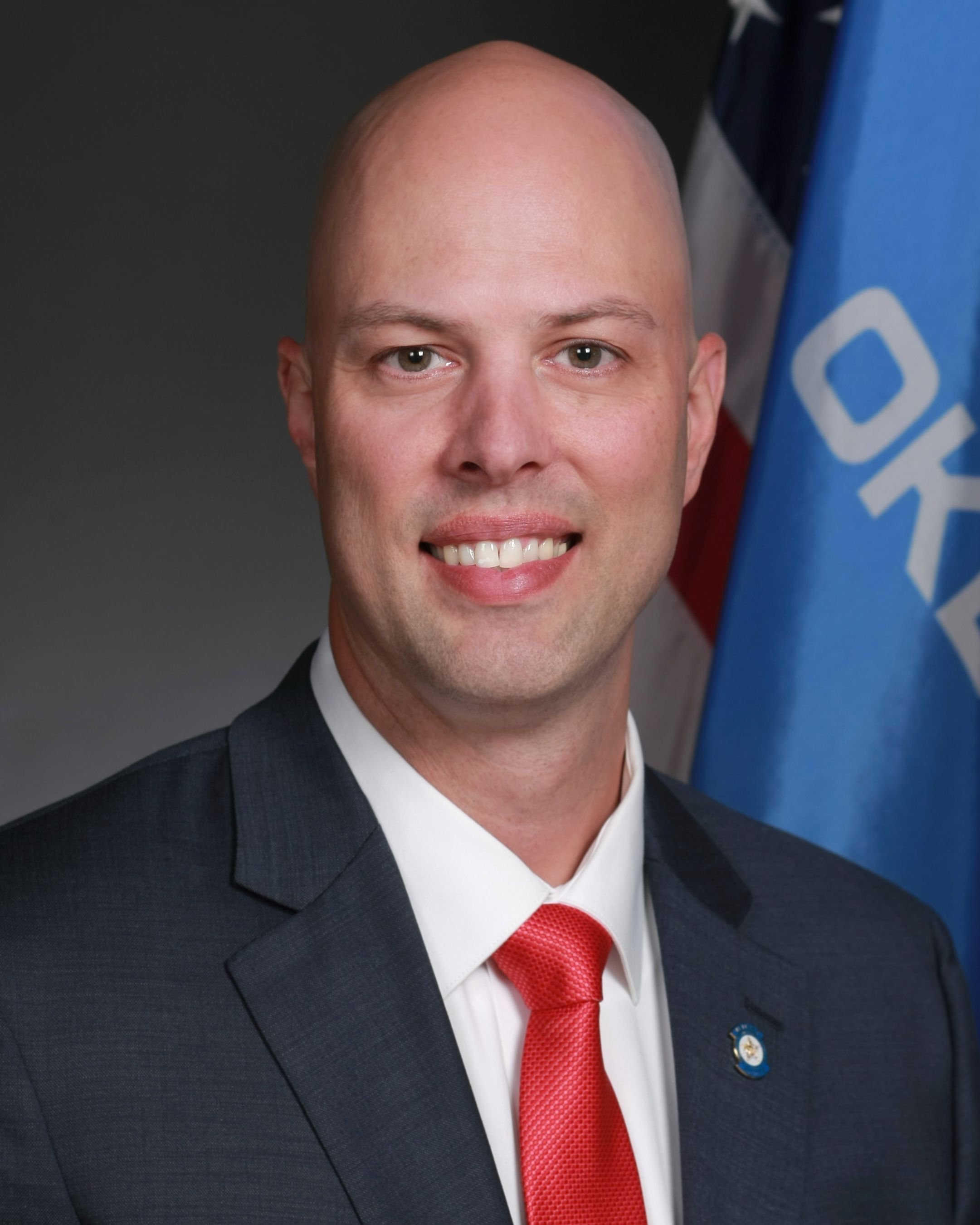
Darcy Jech
100% support rate
Top opponent
Jay Steagall
22% support rate
Ranked legislators
10
5 support · 5 oppose
Key legislators

Who's moving women's health in Oklahoma

Legislators moving women's health in Oklahoma
Legislator Party Stance Support rate Decisive votes
Darcy Jech
Darcy Jech Senate · District 26
R
Strong +
100% 4
Warren Hamilton
Warren Hamilton Senate · District 7
R
Strong +
100% 3
John Pfeiffer
John Pfeiffer House · District 38
R
Strong +
86% 7
Preston Stinson
Preston Stinson House · District 96
R
Strong +
80% 10
Jo Anna Dossett
Jo Anna Dossett Senate · District 35
D
Strong +
80% 5
Jay Steagall
Jay Steagall House · District 43
R
Oppose
22% 9
Jim Shaw
Jim Shaw House · District 32
R
Oppose
22% 9
Molly Jenkins
Molly Jenkins House · District 33
R
Oppose
22% 9
Rick West
Rick West House · District 3
R
Oppose
22% 9
Tom Gann
Tom Gann House · District 8
R
Oppose
22% 9
Showing 11–20 of 20 bills

All healthcare bills

in committee · Oklahoma · Senate Feb 3, 2026

SB 2036: Public health; requiring certain perinatal mental health screenings; requiring compilation and publication of certain data. Effective date.

SB 2036 requires healthcare providers to screen mothers for perinatal depression and anxiety during pregnancy and up to one year after childbirth. It mandates the Oklahoma State Department of Health to collect maternal and infant health data from providers, surveys, and existing systems, then publish an annual demographic report on perinatal mental health outcomes. The bill also directs the Department to create a public website and mobile app connecting mothers to perinatal resources. These provisions apply directly to healthcare providers and pregnant/postpartum mothers in Oklahoma, effective November 1, 2026.
in committee · Oklahoma · Senate Feb 3, 2026

SB 1431: Practice of pharmacy; authorizing dispensing of self-administered hormonal contraceptives under certain conditions. Effective date.

SB 1431 allows pharmacists in Oklahoma to dispense self-administered hormonal contraceptives (like pills or patches) to patients without requiring a prescription, under a protocol established by the State Board of Pharmacy. Pharmacists must complete approved training and follow the Board's rules, which must be finalized by January 1, 2027. This change directly affects patients seeking accessible contraception and expands pharmacists' scope of practice for contraceptive care. The bill becomes effective November 1, 2026.
in committee · Oklahoma · Senate Feb 24, 2026

SB 1844: Health care; creating the Hope for Oklahoma Patients Act; authorizing individualized investigational treatments for eligible patients. Effective date.

SB 1844, the "Hope for Oklahoma Patients Act," allows eligible Oklahoma patients with life-threatening or severely debilitating conditions to access genetically tailored investigational treatments (like personalized gene therapies or vaccines) when all FDA-approved options have been exhausted. It defines "eligible patients" as those meeting strict medical criteria, including physician attestation and written consent, and requires treatments to be based on the patient’s unique genetic profile. The bill makes participation voluntary for healthcare facilities and manufacturers (who may choose not to provide treatments), requires patients to cover manufacturing costs, and clarifies that insurers and government entities are not obligated to cover these treatments. It explicitly excludes treatments derived from embryonic stem cells or abortion-related materials and prohibits state entities from interfering with provider discretion.
Sub-Topics Women's Health
in committee · Oklahoma · House Feb 3, 2026

HB 3286: Health insurance; pregnancy; postpartum; newborn care; breast pumps; breastfeeding; SoonerCare; sales and use tax exemption; effective date.

HB 3286 requires all health insurance plans in Oklahoma to cover pregnancy, postpartum, and newborn care services - including support from perinatal doulas, nurse-midwives, and lactation consultants - without cost-sharing like deductibles or copays. It mandates coverage for breast pumps, supplies, feeding aids, and home visits for postpartum support for at least one year after birth. The bill also exempts breast pumps, supplies, and feeding aids from state sales and use taxes. These provisions apply to both private insurance and Oklahoma’s Medicaid program (SoonerCare), directly affecting pregnant individuals, new parents, and healthcare providers.
in committee · Oklahoma · Senate Feb 10, 2025

SB 222: Hospitals; creating the Maternity Care Pilot Program; directing certain grant award; providing for application; limiting use of funds. Effective date. Emergency.

SB 222 creates Oklahoma's Maternity Care Pilot Program, providing a one-time $5 million grant to a single hospital to add labor and delivery services. The program targets hospitals meeting strict criteria: they must be critical access facilities, tax-exempt 501(c)(3) organizations owned by public entities, profitable for two years, not currently offering such services, and staffed with at least one Certified Nurse-Midwife. Grant funds can only cover staffing, essential equipment/supplies, and maternal/infant health education - not construction. The State Department of Health will select the highest-scoring eligible hospital and develop application rules, with the program effective July 1, 2025.
in committee · Oklahoma · House Feb 4, 2025

HJR 1027: Constitutional amendment; reproductive freedom; definitions; severability; ballot title; filing.

HJR 1027 is a proposed constitutional amendment (Article XXXI) that would establish a fundamental right to reproductive freedom for Oklahomans. It guarantees individuals' rights to make decisions about pregnancy care - including abortion, contraception, and miscarriage management - without state interference unless a "compelling" state interest (like protecting health) is proven through the least restrictive means. The amendment specifically prohibits state bans on abortions medically necessary to protect a patient’s life or physical/mental health, and bans prosecution of individuals or healthcare providers exercising this right. It directly affects Oklahomans seeking reproductive care, healthcare providers, and state enforcement practices. The amendment would override conflicting state laws and requires voter approval via ballot referendum.
in committee · Oklahoma · House Mar 5, 2025

HB 1169: Abortion-inducing drugs; repealer; emergency.

HB 1169 repeals multiple Oklahoma statutes (63 O.S. 2021 Sections 1-729a through 1-757.16) that previously regulated abortion-inducing drugs. The bill directly affects existing state law by removing these specific provisions without creating new restrictions or requirements. Key mechanisms include the formal repeal of all listed sections, which covered various aspects of abortion drug regulations. This is a procedural bill with no new policy changes, simply eliminating the repealed statutes from the Oklahoma Statutes. The "emergency" declaration in Section 2 allows immediate implementation upon approval but does not alter the bill's substantive effect.
Sub-Topics Women's Health
in committee · Oklahoma · Senate Feb 4, 2025

SB 226: Medicaid program; providing for certain reimbursement methodology for certain hospitals. Effective date. Emergency.

SB 226 changes how Oklahoma reimburses hospitals under its Medicaid program. It requires the Oklahoma Health Care Authority to pay rural emergency hospitals more for services to Medicaid patients and to pay 25% more for obstetrical care at hospitals certified as "Baby-Friendly" by Baby-Friendly USA. The bill mandates seeking federal approval for the obstetrics reimbursement change and takes effect July 1, 2025. These adjustments directly affect rural emergency hospitals and Baby-Friendly designated hospitals providing maternity care.
in committee · Oklahoma · House Feb 4, 2025

HB 1397: Telemedicine for mental health; consent for medical treatment of minor; exceptions; penalties for violations; effective date.

HB 1397 requires written parental or guardian consent for most medical treatments, including prescriptions and surgeries, for minors under Oklahoma law. It specifically allows schools to use school-year consent for telemedicine mental health services at school sites without requiring parents to be present during the session. The bill exempts emergency care and abortions (which follow separate abortion laws), and violations carry misdemeanor penalties. This directly affects minors, parents/guardians, schools, and healthcare providers offering telemedicine services.
in committee · Oklahoma · Senate Feb 4, 2025

SB 1058: Public health; requiring certain perinatal mental health screenings; requiring the State Department of Health to make available certain resources; requiring compilation and publication of certain data. Effective date.

SB 1058 requires healthcare providers to screen mothers for perinatal depression and anxiety during pregnancy and up to one year postpartum. It directs Oklahoma's State Department of Health to create a public website and mobile app offering maternal/infant health resources, collect health outcome data through provider reports and surveys, and publish an annual report on depression/anxiety rates by demographics. The bill affects mothers receiving care during the perinatal period and aims to improve access to mental health services and maternal/infant health outcomes through data-driven resource coordination.
Showing 11 to 20 of 20 bills