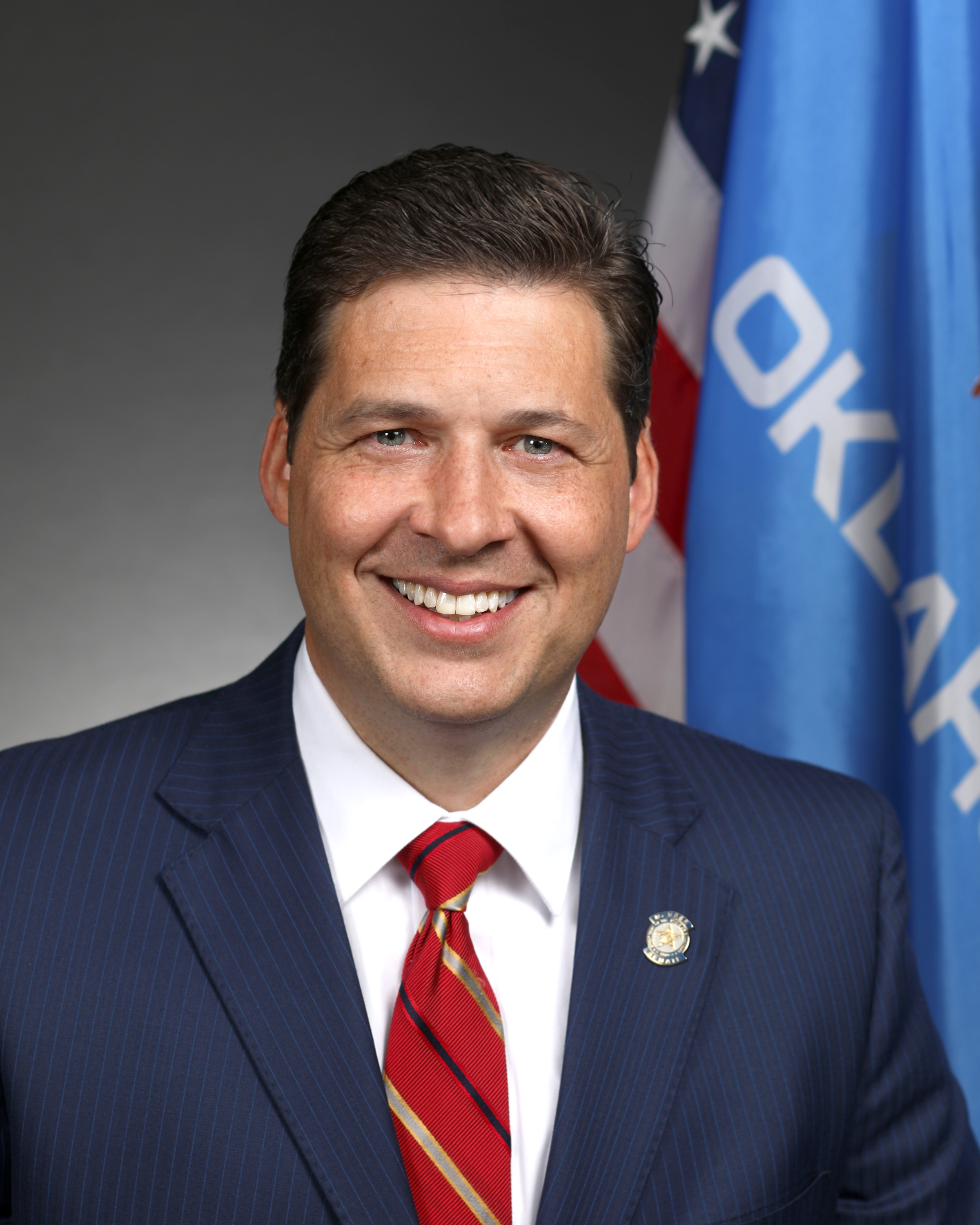
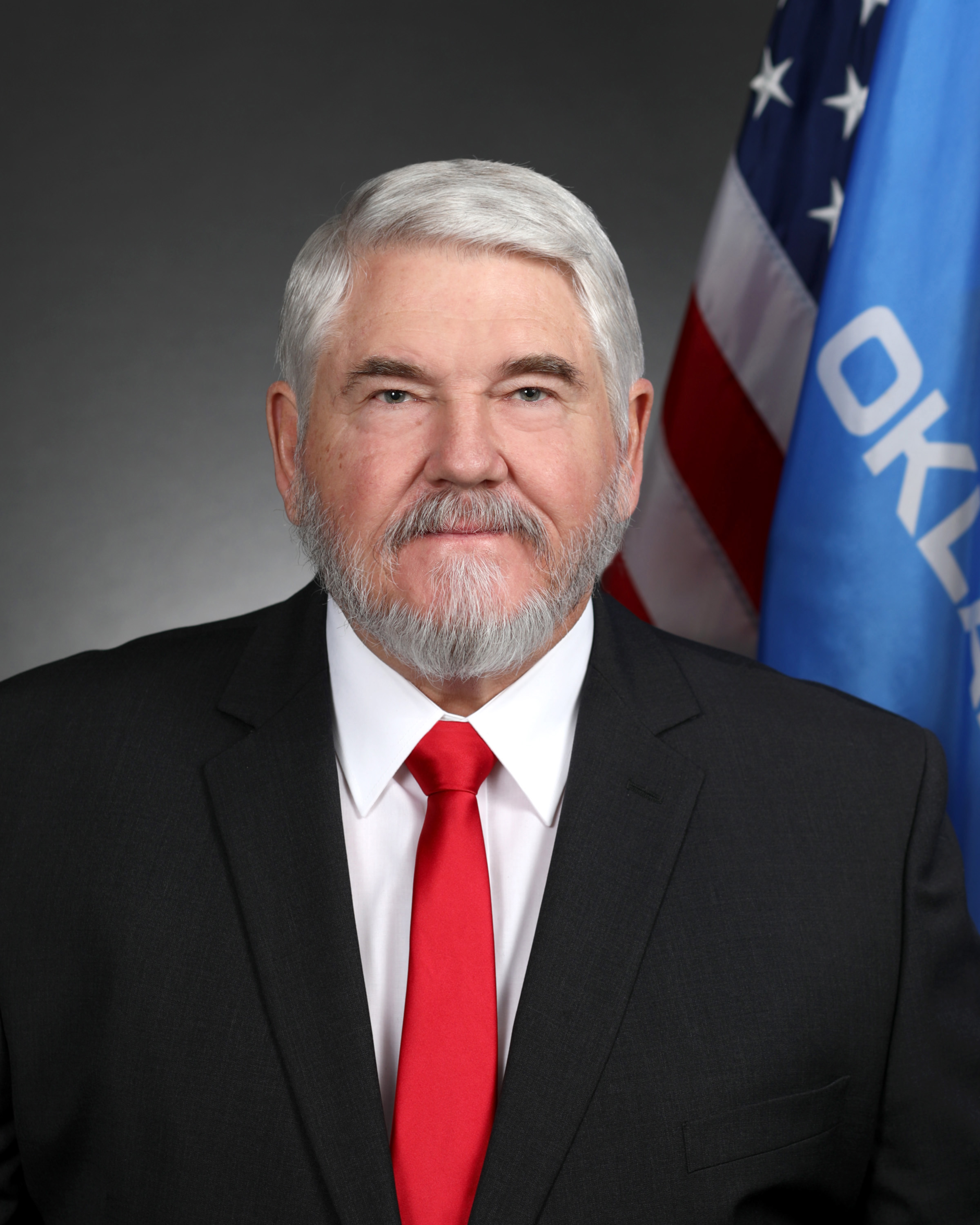
SB 206 amends Oklahoma law to classify emergency medical services (EMS) provided by public entities - such as municipal, county, or district ambulance services - as "essential services" **solely for eligibility for federal funding**. This change directly affects public EMS providers seeking federal grants, ensuring they meet the federal definition of "essential services" under current funding criteria. The bill does not alter EMS operations or create new requirements but adjusts the legal classification to align with federal funding rules. It was introduced as an emergency measure to take immediate effect upon approval.
This bill approves specific permanent rules proposed by the Oklahoma Medical Marijuana Authority, which will govern how medical marijuana is regulated in the state. By signing off on these rules, the legislature allows the authority to enforce new guidelines for medical marijuana programs. The resolution also instructs the Secretary of State to send copies of the approved rules to the Governor and the editor of The Oklahoma Register.
HB 4423 requires the Oklahoma Health Care Authority to verify the immigration status of all Medicaid applicants using the federal SAVE system (or its successor) before approving benefits. It specifically mandates that the Authority notify U.S. Immigration and Customs Enforcement (ICE) if an applicant's status cannot be verified as lawful. This applies to all applicants, including adults applying for child-only Medicaid benefits on behalf of a child. The bill takes effect October 1, 2026, and does not change Medicaid eligibility criteria but adds a verification step for immigration status.
SB 740 amends Oklahoma's mental health definitions to modernize terminology and clarify eligibility for care. It replaces outdated terms like "insane" and "mental disease" with "mental illness" throughout the law and defines key terms such as "person requiring treatment" (based on specific risk criteria like immediate harm to self/others) and "licensed mental health professional" (including psychiatrists, psychologists, and counselors). The bill directly affects mental health facilities, providers, and individuals receiving care by standardizing how these terms are used in legal documents, admission processes, and treatment decisions. It does not create new services or funding but ensures consistent application of existing mental health laws.
SB 1794 requires Oklahoma's Department of Mental Health to create a real-time statewide registry tracking mental health facility availability, directly affecting hospitals and clinics that serve patients. The registry will display current capacity, populations served, diagnostic details (without patient identifiers), admission criteria, and emergency placement contacts to improve urgent care access. Facilities must electronically update their capacity hourly (or per department rules for low-volume settings) and comply with privacy laws like HIPAA. The bill takes effect November 1, 2026, aiming to streamline emergency placements without sharing identifiable patient data.
SB 1553 amends Oklahoma's Medicaid appeal process to ensure appeals for denied claims are reviewed by qualified mental health professionals. It requires reviewers (like psychologists) to hold valid licenses, have relevant clinical experience, and avoid conflicts of interest, while banning automated review systems. The bill also establishes that if an appeal successfully reverses a denied claim, the psychologist or mental health provider can recover costs for time spent on the appeal. This directly affects Medicaid members, providers, and mental health professionals handling appeals.
SB 1562 updates Oklahoma's hospice care regulations by requiring hospices to coordinate services with patients' primary physicians and community providers, maintain 24/7 care availability, and provide bereavement support. It specifies penalties for hospices or employees who knowingly solicit patients from other hospices, including fines of $500-$2,000 per violation, and prohibits contracting with providers holding a conditional license within 18 months. The bill also clarifies that advertising and marketing are permitted if not false, misleading, or tied to referral volume. These changes apply directly to all hospice providers licensed in Oklahoma, aiming to improve care coordination and prevent unethical practices.
HB 3265 amends Oklahoma's police pension law to clarify disability benefit eligibility for law enforcement officers. It specifically expands the definition of "mental health specialist" to include licensed psychologists for disability certification (Section G). The bill establishes a clear benefit scale based on disability percentage (e.g., 50-74% impairment equals 75% of accrued retirement benefit) and presumes line-of-duty disability for officers exposed to hazardous substances like chemicals or blood-borne pathogens, unless proven otherwise (Section I). These changes directly affect Oklahoma police officers seeking disability benefits through the Oklahoma Police Pension and Retirement System.
HB 4275 standardizes certification rules for two mental health roles in Oklahoma: behavioral health case managers and peer recovery support specialists. It requires the Board of Mental Health and Substance Abuse Services to establish uniform education, exam, supervision, and continuing education standards for these professionals. The bill applies to individuals employed by state/local governments, contracted service providers, tribal facilities, or VA facilities, and restricts certified titles to these specific employment settings. Certification fees are capped at $100, and failure to comply with rules may result in suspension or revocation. The law takes effect November 1, 2026.
HB 3016 requires Oklahoma schools to provide binocular vision screenings for students in kindergarten, first, and third grades to identify convergence insufficiency (a vision disorder affecting near focus). Screenings, conducted within 30 days of the school year start by trained school nurses or vision professionals, must be performed in addition to existing vision screenings. The bill establishes a Binocular Screening Revolving Fund in the state treasury to cover program costs using state appropriations, which must supplement - rather than replace - current school vision funding. The program begins in the 2026-2027 school year.